
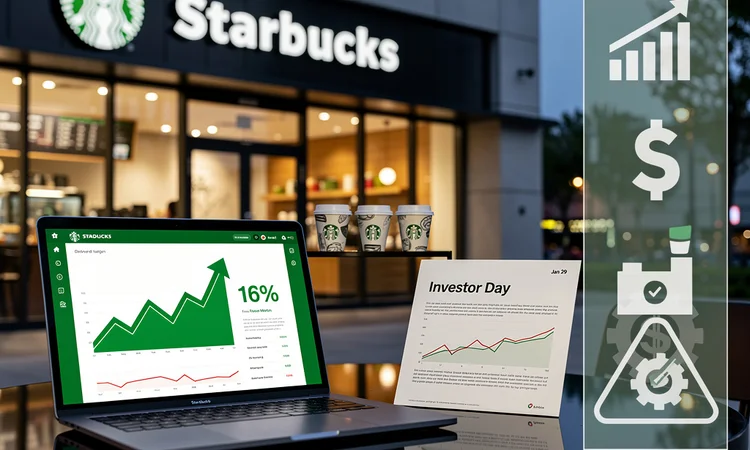
Brian Niccol, the former Chipotle executive who took the helm at Starbucks in September 2024, has spent his first full year reshaping the world’s largest coffee chain with a relentless focus on the in-store experience. Millions of dollars have poured into barista training programs, the reintroduction of ceramic mugs for dine-in customers, restoration of public condiment bars, and even restrictions on bathroom access to paying patrons only. Faulty power outlets have been replaced, and hundreds of underperforming U.S. stores—around 400 since last summer—have been shuttered, trimming the domestic footprint to roughly 10,000 locations. These moves come amid stagnant sales and core profitability hitting some of the lowest levels since the pandemic, though shares have surged about 16% this month, outpacing restaurant peers, fueled by record November holiday sales and new product traction, as detailed in a Wall Street Journal report.
Niccol’s “Back to Starbucks” strategy emphasizes recapturing the warm, inviting atmosphere he likens to the Central Perk coffee shop from “Friends.” “I do firmly believe that even if you want to come and grab and go, you’d rather grab and go from a place, than a soulless experience,” Niccol told the Wall Street Journal CEO Council in December. Baristas now receive training to greet every entering customer with eye contact and meaningful phrases scribbled on to-go cups—no more one-word notes or smiley faces. The company is testing smaller, cheaper-to-build cafe designs to resume U.S. expansion after the closures, while planning upgrades like more comfortable seating in hundreds of stores and technology for scheduled pickups.
Service Speed and Stock Reliability Take Center Stage
Aiming to fill in-store and drive-thru orders in under four minutes, Starbucks has deployed new sequencing technology and given local managers more control over supplies to prevent shortages, such as breakfast sandwiches vanishing by 9 a.m. Niccol has pledged direct handoffs of drinks with smiles and swift fixes for issues, alongside a ban on running out of food. Surveys highlight cost as a top deterrent for visits, so Niccol held off price hikes in his first year, though he noted close monitoring for future adjustments; profit margins could benefit in 2026 from eased Trump-era coffee import tariffs, per the Wall Street Journal .
Store accountability has sharpened with a new grading system analyzing customer emails, Yelp, and Google reviews, holding managers responsible. Niccol stays connected to Howard Schultz, the chairman emeritus and three-time former CEO who influenced his hiring after ousting Laxman Narasimhan. They speak monthly, with Niccol describing their exchanges as “healthy tensions,” akin to spouses disagreeing productively. Labor tensions persist, as Starbucks Workers United, representing hundreds of cafes, stages strikes over pay and hours since November, causing temporary closures, though activity has slowed; the company seeks fair agreements.
Financial Momentum Builds Ahead of Key Disclosures
Fiscal 2025 saw global comparable sales down 1%, but Q4 marked a 1% rise—the first positive in seven quarters—with U.S. comps flat as higher tickets offset transaction dips. Revenue grew 5% in Q4, and November promotions hit records, signaling early wins from menu simplification and experience tweaks. Shares’ 14-16% January 2026 rally marks one of the strongest yearly starts recently, outperforming the S&P 500 restaurant subindex, as noted by Yahoo Finance . Niccol’s first investor day on January 29, 2026, will unveil long-term goals, featuring him and CFO Cathy Smith via live webcast from Starbucks’ investor site.
Operational enhancements include AI for real-time sequencing like “SmartQ,” coffeehouse coaches for hospitality, and prototypes for a “coffeehouse of the future” with 32 seats, drive-thru, and 30% lower build costs—a smaller 10-seat urban version is underway in New York. By fiscal 2026’s end, over 1,000 U.S. stores will get makeovers with added seating and warmer lighting, per CNBC . Brewed coffee and espresso prices stay frozen through 2026 at company stores, with “targeted” hikes elsewhere, as Business Insider reports.
Analyst Optimism Meets Execution Hurdles
William Blair upgraded to Outperform, predicting the first U.S. comp sales gain in two years from store upgrades and hospitality, while UBS raised targets citing Niccol’s track record. Jim Cramer voiced faith in the turnaround on CNBC, and BofA’s Sara Senatore hiked her target to $114. Yet challenges loom: supply glitches with AI and fragmented vendors cause sandwich shortages—Niccol’s key fix metric—per MarketScreener . Coffee costs rose 30% through September 2025, squeezing margins, though no value menu is planned, CBS News quoted Niccol calling hikes a “last resort.”
Loyalty program tweaks shift from discounts to engagement for 34 million active members, with Q1 2026 growth scorecards aiding leaders. Niccol spotted turnaround signs in Reddit threads on interviews emphasizing culture, as Yahoo Finance covered from his WSJ Leadership Institute talk. Globally, over 40,000 stores face China pressures, but international comps buoyed Q4. Q1 fiscal 2026 earnings on January 28 expect $9.65 billion revenue, up 2.5%, with Investor Day clarifying margin paths amid labor costs.
Labor Strife and Broader Pressures Persist
Strikes by Starbucks Workers United continue sporadically, with union demands for better pay and hours; Niccol prioritizes bargaining. Two layoff rounds and store closures drew corporate and barista backlash to “Back to Starbucks,” Reddit discussions reveal. Niccol’s 2025 pay plunged 68% to $31 million sans hiring bonuses, per TipRanks . Menu cuts speed service, uniforms standardize look, and mobile tweaks show shortages. Analysts like Jefferies’ David Palmer see upside risks but urge proof of mid-single-digit comps and teen margins for valuation.
Competition from Dutch Bros and digital rivals intensifies, but Niccol bets on heritage: artisanal bakes, 1971 dark roast, protein cold foams, and aperitivo tests. Green Apron Service standardizes greetings and handoffs, with fleet-wide seat replacements for texture and warmth. By 2026’s close, Niccol eyes pre-pandemic 17% margins, confident in innovation atop operations, as QSR Magazine outlined from his Q3 call. Investors await January 29 for multi-year strategy, China venture details, and proof green shoots endure.


Leave a Reply
Your email address will not be published.