
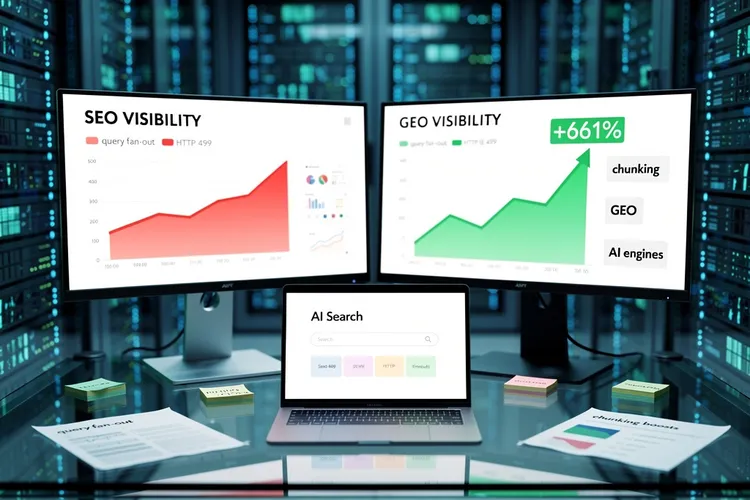






In the ever-shifting world of digital marketing, a troubling pattern has emerged that threatens the very foundation of online content discovery. Recent data reveals a stark decline in organic search traffic across various sectors, with year-over-year drops painting a picture of profound change driven largely by advancements in artificial intelligence. Publishers and e-commerce sites alike are grappling with reduced visibility as search engines evolve into answer-providing machines rather than mere gateways to external sites.
This downturn isn’t isolated; it’s a widespread phenomenon affecting global publishers. According to a report from Press Gazette , Google search traffic plummeted by a third in 2025, based on Chartbeat data from over 2,500 publisher websites. The decline extends to other referral sources, with Google Discover referrals falling 21% in the same period. These figures underscore a fundamental shift in user behavior and search engine priorities, where instant answers supplant traditional clicks.
For industry insiders, understanding this erosion requires dissecting the mechanics behind it. AI-powered features like Google’s AI Overviews are at the forefront, summarizing information directly on the search results page and reducing the need for users to visit originating sites. This zero-click search model has accelerated, leaving content creators scrambling to adapt.
Unraveling the Data Behind the Drop
Delving deeper into the numbers, the impact is even more pronounced in specific regions. In the United States, Google search referrals dropped 38%, while Discover saw a 29% decline, as highlighted in the same Press Gazette analysis. Social media referrals have also suffered, with Facebook down 43% and X (formerly Twitter) experiencing a 46% drop. These statistics, drawn from comprehensive tracking, signal a broader retreat from external linking.
News publishers are forecasting an even grimmer future. A study cited in Search Engine Land predicts that search traffic could plummet by 43% by 2029, as AI answers increasingly dominate user interactions. Media companies warn that features like Google Overviews and chat-based experiences are accelerating this traffic loss, effectively cannibalizing clicks that once drove revenue.
The ramifications extend beyond publishers to e-commerce and other sectors. For instance, seasonal demand fluctuations can mask or exacerbate these drops, but year-over-year comparisons reveal persistent issues. As noted in a guide from MageComp , monitoring trends alongside historical data is crucial to distinguish between natural ebbs and SEO problems.
AI’s Role in Reshaping Search Habits
At the heart of this transformation is the rise of AI in search. Google’s AI Overviews have been linked to a 61% drop in organic click-through rates (CTR) and a 68% decline in paid CTR, according to findings reported in Search Engine Land . Remarkably, even when these overviews aren’t present, users are clicking less overall, with CTRs reaching new lows across the board.
This shift reflects a change in how people interact with search engines. As one SEO expert observed in posts on X, within the last 6-8 months leading into 2026, there’s been a noticeable pivot toward answer engines rather than traditional search. Users now often receive what they need directly on the results page, diminishing the incentive to explore further.
Publishers have been vocal about these losses. In AdExchanger , industry voices report traffic and revenue drops of 20% to 90% due to zero-click AI searches. This reckoning is dismantling the open web’s traffic model, with some fearing permanent damage to content ecosystems.
Diagnosing the Causes Beyond AI
While AI is a primary culprit, other factors contribute to the organic traffic slump. Technical issues, such as site errors or algorithm updates, can trigger sudden drops. A resource from Seer Interactive outlines 18 methods to diagnose declines, including analyzing seasonality, competition, keyword visibility, and brand reputation.
Competition has intensified as more sites vie for limited visibility. Keyword cannibalization and shifts in search intent further complicate matters. For example, as explained in Forge and Smith , 12 common causes range from content quality dips to mobile optimization failures, each requiring targeted fixes to recover growth.
Moreover, external pressures like changes in user privacy settings and ad blockers play a role. Data from older reports, such as Merkle’s 2019 findings shared on X, showed organic clicks down 8% even then, hinting at long-term trends amplified by recent AI integrations.
Industry Responses and Adaptation Strategies
Faced with these challenges, businesses are pivoting to survival tactics. Diversification is key; relying solely on organic search is increasingly risky. As suggested in The Digital Bloom , strategies include enhancing direct traffic through newsletters, apps, and community building to offset search dependencies.
Content optimization for AI inclusion is another approach. Sites featured in AI summaries may retain some visibility, but those excluded face steeper losses. A study analyzing 10,000 queries, mentioned in X posts, confirms that non-featured websites suffer plummeting traffic.
E-commerce operators are particularly proactive. By segmenting data to identify issues, as advised in Search Engine Journal , they can pinpoint whether drops stem from SERP changes or internal flaws. Tools for data segmentation help reveal patterns, enabling precise interventions.
The Broader Economic Implications
The economic fallout is significant. Publishers like those under IAC have seen Google Search traffic halve from 52% to 28%, as quoted in X discussions. This reduction in referral traffic hampers ad revenues and user engagement across sectors, from media to retail.
In response, some are exploring alternative platforms. DuckDuckGo’s 64% growth in 2019, noted in historical X data, suggests users seeking privacy-focused options, though its scale remains small. Emerging search engines could fragment the market further, offering niches where organic traffic might thrive.
Regulatory scrutiny is mounting too. With AI accelerating traffic declines, calls for fairer data usage and compensation for content creators are growing. Industry reports predict continued erosion through 2026, with global trends indicating no quick rebound.
Case Studies from Affected Sectors
Examining specific cases illuminates the crisis. News outlets, heavily reliant on timely searches, are hit hardest. The Press Gazette report details how AI summaries siphon off quick-fact queries, leaving in-depth articles underserved.
E-commerce faces similar woes. Post-peak season traffic dips, as per MageComp, compound AI effects, but strategic recoveries through better on-site SEO and user experience enhancements show promise. One example: sites improving load times and mobile interfaces have clawed back some losses.
Even non-profits and educational platforms report declines. Broader web data from 40,000+ sites, shared in recent X posts, indicates only a ~2.5% YoY drop overall, suggesting variability by sector. However, this aggregate masks severe hits in high-competition areas like tech and finance.
Forecasting the Path Ahead
Looking forward, experts anticipate acceleration in 2026. Posts on X from industry analysts predict search traffic drops of 40% in three years as AI answer engines mature. This wake-up call urges website owners to diversify beyond Google.
Innovation in content delivery is emerging. Hybrid models blending AI-friendly snippets with premium, gated content could balance accessibility and monetization. Collaborations with AI platforms for revenue shares are also on the table.
Ultimately, resilience lies in adaptability. By leveraging analytics, as recommended in The Admin Bar , sites can address drops from SERP evolutions to technical glitches. The era of “no click, no traffic,” as termed in X sentiments, demands a rethink of digital strategies.
Voices from the Front Lines
Industry leaders are sounding alarms. Groupon’s CEO, in X-cited remarks, notes Google’s behavioral changes affecting user patterns profoundly. Similarly, SEO veterans on X highlight the investor implications for giants like Google, Meta, and Amazon.
Positive outliers exist. Some sites report that fewer clicks lead to higher-quality visitors, per Akeneo . This silver lining suggests that while volume decreases, conversion rates might improve as users arrive with stronger intent.
Balancing these perspectives, the consensus is clear: the organic traffic decline is a structural shift, not a temporary blip. Continuous monitoring and agile responses will define winners in this new search environment.
Strategies for Long-Term Sustainability
To combat the slump, experts advocate comprehensive audits. Starting with tools like Google Analytics for segmenting traffic by device, location, and query type helps isolate problems.
Content refreshes are vital. Updating evergreen pieces to align with current search intents can regain traction. Additionally, building authority through backlinks and E-E-A-T (experience, expertise, authoritativeness, trustworthiness) principles remains essential.
Finally, exploring paid channels and social amplification offers buffers. As the web evolves, those who integrate AI into their own strategies—perhaps by creating AI-optimized content—may find new avenues for growth amid the decline.






Leave a Reply
Your email address will not be published.