



TikTok Finalizes US Restructuring Deal with Oracle, Avoids Ban

TikTok Finalizes US Restructuring Deal with Oracle, Avoids Ban

TikTok has finalized a deal to restructure its U.S. operations into a new entity majority-owned by American and allied investors, including Oracle, Silver Lake, and MGX, with ByteDance retaining a 20% stake. This hybrid model addresses data security concerns, avoids a nationwide ban, and sets a precedent for global tech sovereignty.

Posted on: by Roman Grant
AI Answers Demand New Rules: Why Google SEO Fails ChatGPT Citations

AI Answers Demand New Rules: Why Google SEO Fails ChatGPT Citations

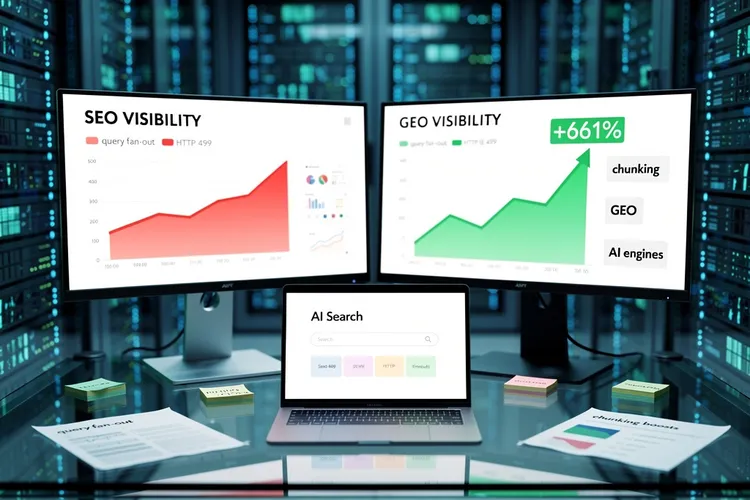
Mike King reveals why Google SEO tactics fail AI engines like ChatGPT, from query fan-out to HTTP 499 timeouts and chunking boosts. Case studies show 661% visibility gains via GEO.

Posted on: by Chloe Ortiz
Oracle Data Center Failure Exposes Critical Vulnerabilities in TikTok’s Newly American Infrastructure

Oracle Data Center Failure Exposes Critical Vulnerabilities in TikTok’s Newly American Infrastructure

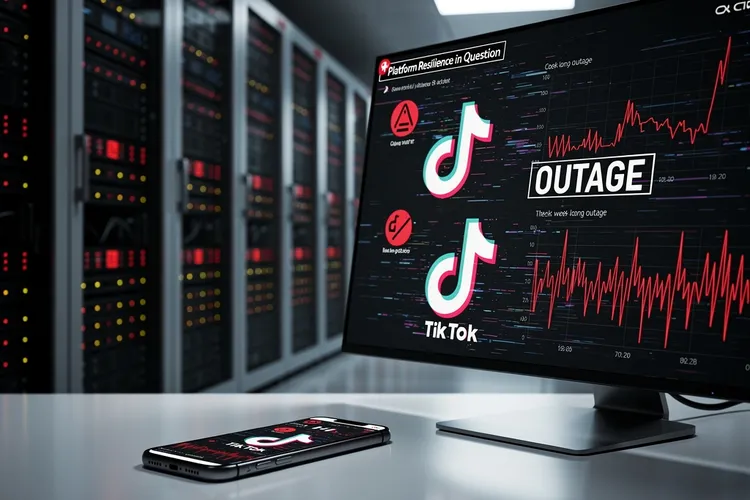
TikTok's first major technical crisis under American ownership exposed critical vulnerabilities in Oracle's data center infrastructure, disrupting posting capabilities and analytics for millions of users. The week-long outage raises urgent questions about the resilience of the platform's newly restructured operations.

Posted on: by Chloe Ortiz
CLICKFORCE’s AI Leap: Bedrock Agents Slash Ad Analysis from Weeks to Hours

CLICKFORCE’s AI Leap: Bedrock Agents Slash Ad Analysis from Weeks to Hours

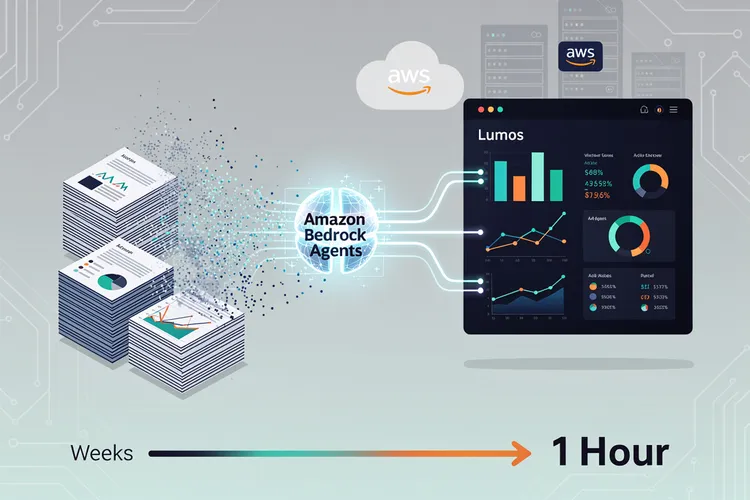
CLICKFORCE harnesses Amazon Bedrock Agents in Lumos to automate ad market analysis, cutting weeks of work to one hour. Powered by AWS services, it delivers precise insights, setting a new benchmark for data-driven advertising efficiency.

Posted on: by Aria Brooks
TikTok’s Data Center Blackout: Power Failure Exposes Vulnerabilities in New U.S. Era

TikTok’s Data Center Blackout: Power Failure Exposes Vulnerabilities in New U.S. Era

A power outage at a U.S. data center crippled TikTok's services over the weekend, disrupting algorithms and feeds just after its U.S. ownership shift. The new joint venture blames technical failure, not censorship, as users face login woes and old videos.

Posted on: by Elena Brooks
AI’s Email Revolution: Leaders’ Guide to Smarter Campaigns in 2026

AI’s Email Revolution: Leaders’ Guide to Smarter Campaigns in 2026

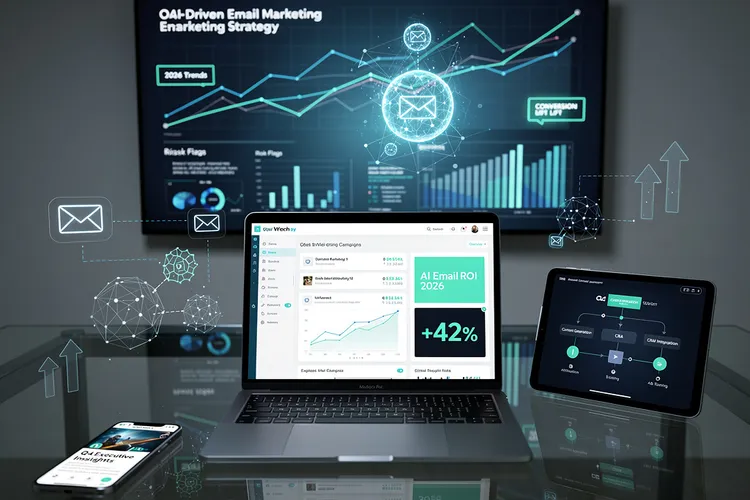
This deep dive explores AI's transformative role in 2026 email marketing, offering executives strategies for content generation, integration, and measurement while navigating pitfalls and future trends for superior ROI.

Posted on: by Roman Grant
Boss Wallah’s UGC Pivot: Capturing the $8.4 Billion Creator Gold Rush

Boss Wallah’s UGC Pivot: Capturing the $8.4 Billion Creator Gold Rush

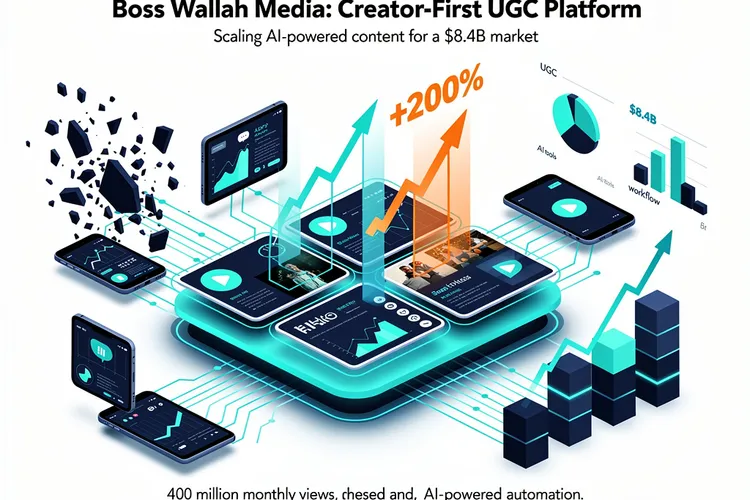
Boss Wallah Media launches a creator-first UGC platform targeting the $8.4 billion market, leveraging 400 million monthly views and AI tools to fix fragmented production. Backed by real client wins like 200% engagement boosts, it empowers creators amid booming demand.

Posted on: by Stella Evans
The Search Revolution: How AI Overviews Are Forcing Marketers to Rewrite Digital Strategy

The Search Revolution: How AI Overviews Are Forcing Marketers to Rewrite Digital Strategy

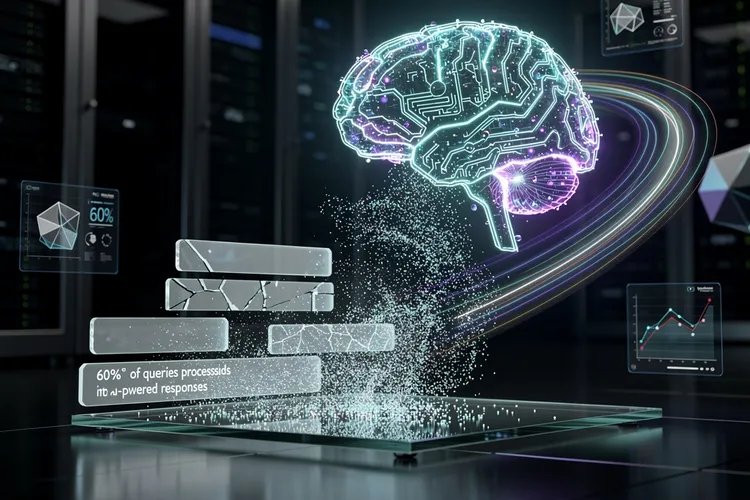
Artificial intelligence is fundamentally transforming search marketing as AI Overviews replace traditional blue links. By 2026, over 60% of queries will generate AI-powered responses, forcing marketers to abandon decades-old SEO strategies and adopt new approaches for visibility in an AI-mediated discovery environment.

Posted on: by Elena Brooks
RealHomes Breach: How a File-Upload Flaw Put 30,000 WordPress Sites at RCE Risk

RealHomes Breach: How a File-Upload Flaw Put 30,000 WordPress Sites at RCE Risk

A critical file-upload flaw in RealHomes CRM plugin exposed 30,000+ WordPress sites to remote code execution. Patches are out, but slow updates leave many vulnerable amid active scans.

Posted on: by Layla Reed
OnlyFans’ $5.5 Billion Gamble: How a Sex-Work Platform Plans Its Path to Wall Street

OnlyFans’ $5.5 Billion Gamble: How a Sex-Work Platform Plans Its Path to Wall Street

OnlyFans is negotiating a $5.5 billion sale to Architect Capital, which plans to build financial infrastructure for adult content creators and pursue a 2028 IPO, challenging traditional finance's reluctance to service the sex work industry.

Posted on: by Maya Grant

CDP’s Crown Slips: Privacy, Zero-Copy and AI Reshape Customer Data Power

Grace Wright | 2026-03-29
CDP’s Crown Slips: Privacy, Zero-Copy and AI Reshape Customer Data Power

In the high-stakes arena of customer intelligence, the customer data platform—once the undisputed sovereign of unified profiles—is facing an existential challenge. New privacy regulations, zero-copy data activation techniques and AI-driven orchestration are dismantling the old guard, forcing enterprises to rethink how they harness consumer insights. As 2026 unfolds, industry leaders debate whether CDPs can adapt or if composable architectures and federated data models will claim the throne.

Evolution Under Fire

The traditional CDP model, which centralizes customer data for activation across channels, promised a single view of the customer. Yet, with data privacy laws proliferating—think Europe’s tightened GDPR enforcement and U.S. state-level mandates like those previewed in Privacy World’s 2026 primer —centralization is becoming a liability. “The real issue isn’t the platform, but the assumption of identity ownership—a model undone by fragmentation, regulation and platform control,” warns a MarTech analysis .

Zero-copy activation emerges as a pivotal shift, allowing data to be queried and activated without duplication or movement, preserving privacy while enabling real-time use. This technique, highlighted in CMSWire’s exploration , sidesteps the storage risks that plague monolithic CDPs. Enterprises like those adopting platforms from Segment or Tealium now leverage these methods to comply with zero-party data mandates.

Privacy’s New Frontier

2026 privacy models demand consent-centric frameworks, with AI governance layered on top. CloudTweaks predicts this year as the dawn of the “intelligent CDP,” infused with AI for predictive orchestration. Yet, articles like ET Edge Insights argue next-gen platforms prioritize trust through federated learning, where models train across decentralized datasets without data leaving its source.

Identity resolution, once a CDP stronghold, now integrates composable elements. A Medium deep dive on 2026’s top CDPs spotlights platforms like Hightouch and RudderStack, emphasizing modular stacks over all-in-one solutions. “Identity Resolution and Composable architecture are now essential for AI-driven growth,” the piece states, citing benchmarks from G2 and Forrester.

AI Orchestration Takes Command

AI orchestration automates data flows, activating insights via agents that query live sources. CX Today details how CDPs boost AI accuracy for customer experience, with benefits in compliance and real-time personalization. However, CIO advises CIOs to prioritize data governance over experimental AI, forecasting $320 billion in tech AI investments.

Zero-copy’s rise aligns with edge computing, reducing latency in AI pipelines. Unite.AI urges aligning CDP architectures with long-term strategies, warning against siloed data traps. Platforms like Snowplow and mParticle now offer reverse ETL for zero-copy, enabling direct warehouse-to-activation without extracts.

Composable CDPs Surge

The composable CDP market, per Dinmo’s report , is exploding, with projections of double-digit growth through 2026. These systems stack best-of-breed tools—data ingestion from one, modeling from another—bypassing vendor lock-in. CMSWire notes vendors like Twilio Segment pivoting to this model amid cookieless futures.

Case studies abound: A Fortune 500 retailer using Hightouch’s zero-copy activation cut data processing costs by 40%, per vendor benchmarks echoed in CMSWire’s 2025 guide . Privacy-safe AI orchestration, via tools like Cognigy, simulates customer interactions pre-deployment, as recent CMSWire X posts highlight.

Regulatory Pressures Intensify

New laws in 2026, including AI-specific cybersecurity rules, compel zero-trust data architectures. Privacy World outlines compliance roadmaps, stressing opt-in models and audit trails. CDPs lagging in these areas risk obsolescence, with CX Today’s trends calling 2026 the year organizations fix data infrastructure over chasing AI features.

Posts on X from industry voices like CMSWire underscore AI’s data dependency: “4 AI Shifts That Will Separate CX Leaders in 2026,” linking to strategies prioritizing structured data. Meanwhile, debates rage on whether CDPs evolve into orchestration hubs or fade into legacy stacks.

Enterprise Strategies Shift

Leaders at firms like Adobe and Salesforce integrate zero-copy via partnerships—Adobe Real-Time CDP now supports federated queries. MarTech provocatively claims “CDPs are dead,” but survivors adapt by becoming lightweight orchestrators. Investment flows to AI-native platforms, with 2026 forecasts from Medium listing Amperity and Lytics as frontrunners for privacy-first resolution.

The path forward demands hybrid models: CDPs augmented with zero-copy and AI layers. As ET Edge puts it, these platforms evolve “from static data repositories into dynamic engines of intelligence.” Enterprises ignoring this risk customer intelligence blackouts in a regulated, fragmented world.


Subscribe Newsletter

Subscribe to our newsletter and stay up to date with the latest news, updates, and exclusive offers. Join our community today!

Comments

Join the discussion and share your thoughts.

No comments yet. Be the first to comment.

Leave a Reply

Your email address will not be published.

Join Us

Share your perspective with confidence. Your experience could inform, inspire, and help someone live better.

Archives

Authors

More ...

Search NexaPress



