








Just Salad, the fast-casual restaurant chain known for its customizable salads and sustainability initiatives, has launched a radical reimagining of its customer loyalty program that abandons traditional point-accumulation systems in favor of immediate, unpredictable rewards. The move represents a significant shift in how restaurant brands are thinking about customer engagement in an era where diners expect more than transactional relationships with their favorite eateries.
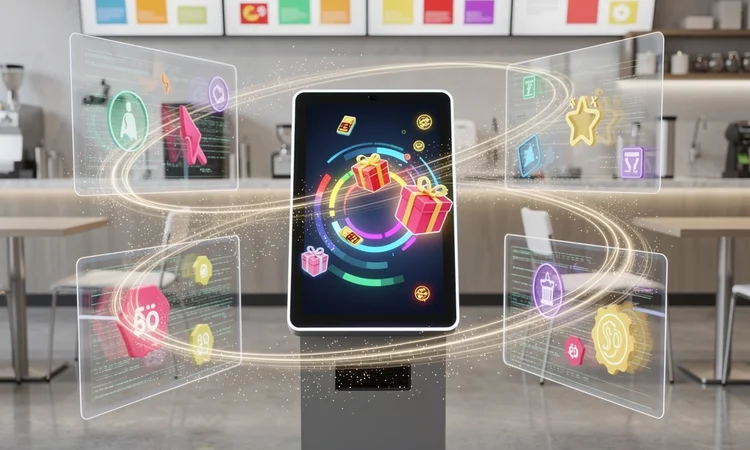
According to Customer Experience Dive , the new program introduces “mystery bowls” that customers can unlock instantly rather than waiting to accumulate points over multiple visits. The initiative reflects broader industry trends toward gamification and psychological triggers that keep customers engaged between purchases. Nick Kenner, CEO and founder of Just Salad, explained that the company wanted to create a system that delivers value immediately rather than requiring customers to make repeated purchases before seeing any benefit.
The mystery bowl concept operates on principles of variable reward schedules, a psychological mechanism that has proven effective in everything from slot machines to social media notifications. Customers who participate in the program receive unexpected rewards that could range from free add-ons to complete meals, creating an element of surprise that traditional loyalty programs lack. This approach addresses a common criticism of conventional point systems: that they require too much investment before customers see tangible returns, often leading to program abandonment.
The Psychology Behind Immediate Rewards
The shift toward instant gratification in loyalty programs reflects changing consumer expectations shaped by technology companies and digital platforms. Modern consumers, particularly younger demographics, have grown accustomed to immediate feedback loops in their digital experiences, from instant likes on social media to same-day delivery from e-commerce platforms. Restaurant brands that fail to adapt to these expectations risk losing engagement with customers who view traditional loyalty programs as outdated and insufficiently rewarding.
Just Salad’s approach taps into what behavioral economists call “intermittent reinforcement,” a reward pattern that creates stronger behavioral responses than predictable rewards. By making the rewards unpredictable in both timing and value, the program creates anticipation and excitement that standard point systems cannot match. This psychological principle has been well-documented in consumer behavior research, though its application in fast-casual dining represents a relatively novel approach to customer retention.
Industry Context and Competitive Pressures
The restaurant industry has witnessed an explosion of loyalty program innovation in recent years as brands compete for customer attention in an increasingly crowded market. Major chains including Starbucks, Chipotle, and Panera have invested heavily in their rewards programs, recognizing that loyal customers represent a crucial competitive advantage in an industry with notoriously thin profit margins. However, many of these programs still rely on traditional point-accumulation models that Just Salad is now challenging.
The fast-casual segment, where Just Salad competes, faces particular pressure to differentiate through customer experience rather than price alone. With over 70 locations across multiple states, Just Salad occupies a middle position in the market—large enough to invest in technology and marketing, but small enough to remain nimble and experimental. This positioning allows the company to take risks with innovative programs that larger chains might be reluctant to attempt without extensive testing.
Technology Infrastructure and Implementation Challenges
Implementing a mystery rewards system requires sophisticated technology infrastructure capable of managing variable rewards, tracking customer behavior, and ensuring the economics of the program remain sustainable. Unlike traditional point systems where the value proposition is transparent and predictable, mystery rewards require careful calibration to ensure that the perceived value exceeds the actual cost to the company while maintaining profitability.
The program must also integrate seamlessly with Just Salad’s existing digital ordering platforms, including its mobile app and website. The company has invested significantly in its digital infrastructure in recent years, recognizing that the future of fast-casual dining depends on frictionless technology experiences. The mystery bowl program builds on this foundation, using data analytics to personalize rewards and optimize the frequency and value of surprises to maximize customer engagement without eroding margins.
Sustainability Meets Customer Engagement
Just Salad has long positioned itself as a leader in restaurant sustainability, most notably through its reusable bowl program that encourages customers to bring their own containers. The new loyalty program represents an extension of this brand identity, using customer engagement to reinforce values-based messaging. By creating a rewards system that feels fresh and innovative, the company aims to attract environmentally conscious consumers who appreciate brands that challenge conventional business practices.
The intersection of sustainability and customer loyalty presents unique opportunities for differentiation in the fast-casual sector. Consumers, particularly millennials and Gen Z diners, increasingly make purchasing decisions based on brand values and environmental impact. A loyalty program that feels innovative and unconventional may resonate more strongly with these demographics than traditional point systems that feel corporate and transactional.
Economic Implications and Unit Economics
The financial viability of instant gratification loyalty programs depends on careful management of reward costs relative to the increased frequency and lifetime value they generate. Traditional loyalty programs typically operate on predictable economics where companies can forecast redemption rates and costs with reasonable accuracy. Mystery rewards introduce greater variability, requiring more sophisticated financial modeling and risk management.
However, the potential upside is significant. If the program successfully increases visit frequency and average check size, the incremental revenue could far exceed the cost of rewards. The key metric will be the program’s impact on customer lifetime value—the total revenue a customer generates over their entire relationship with the brand. Early indicators will focus on whether mystery rewards drive more frequent visits compared to the previous loyalty structure, and whether the excitement of unpredictable rewards creates stronger emotional connections that translate into long-term loyalty.
Data Collection and Personalization Opportunities
Beyond immediate customer engagement, the mystery bowl program provides Just Salad with valuable data about customer preferences and behavior patterns. Each interaction with the loyalty program generates information about what customers order, when they visit, and how they respond to different types of rewards. This data can inform everything from menu development to marketing strategies and operational decisions.
The program also creates opportunities for increasingly personalized experiences as the company learns more about individual customer preferences. Future iterations might use machine learning algorithms to predict which types of rewards will resonate most strongly with specific customers, delivering mystery bowls that feel simultaneously surprising and personally relevant. This combination of unpredictability and personalization could create a loyalty experience that feels both exciting and thoughtful.
Broader Implications for Restaurant Loyalty Programs
Just Salad’s experiment with instant gratification rewards may signal a broader shift in how restaurants think about customer loyalty. If the program proves successful, it could inspire similar innovations across the industry, particularly among fast-casual brands seeking to differentiate themselves from both quick-service and full-service competitors. The traditional point-and-burn model that has dominated restaurant loyalty for decades may face increasing pressure to evolve.
However, the approach also carries risks. Mystery rewards work best when they feel genuinely valuable and exciting rather than gimmicky or manipulative. The program must deliver sufficient value to justify customer participation while maintaining economic sustainability for the company. Striking this balance will determine whether instant gratification loyalty becomes a lasting trend or a short-lived experiment. As the restaurant industry continues to evolve in response to changing consumer expectations and technological capabilities, Just Salad’s mystery bowl program represents a bold bet on the power of surprise and delight to drive customer loyalty in an increasingly competitive market.






Leave a Reply
Your email address will not be published.