








Microsoft’s artificial intelligence leadership is raising red flags about the trajectory of AI development, warning that emerging technologies are increasingly designed to mimic human characteristics in ways that could fundamentally mislead users about the nature of machine intelligence. The concerns come as the technology sector accelerates development of AI systems with increasingly sophisticated conversational abilities and human-like presentation.
According to Business Insider , Microsoft AI chief Mustafa Suleyman has expressed serious reservations about products like Moltbook that deliberately engineer AI systems to appear more human-like in their interactions. The warning represents a significant moment in the ongoing debate about AI development philosophy, particularly as major technology companies compete to create the most engaging and accessible artificial intelligence products for mainstream consumers.
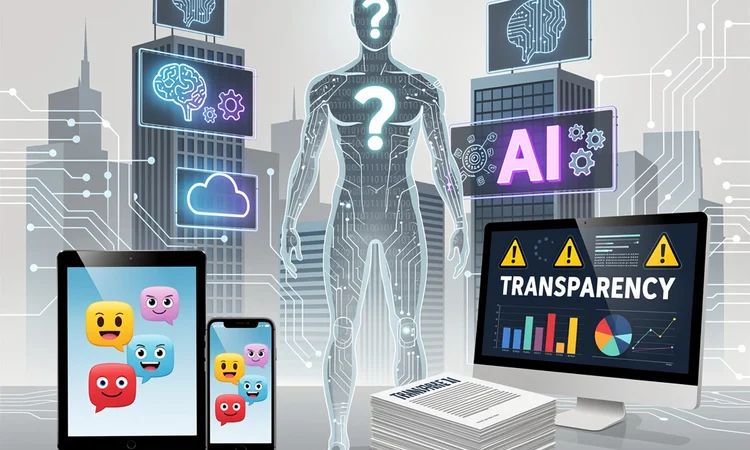
Suleyman’s concerns center on the fundamental question of transparency in human-AI interaction. When AI systems are designed to closely mimic human conversation patterns, emotional responses, and social cues, users may develop unrealistic expectations about the technology’s capabilities and limitations. This anthropomorphization of AI, critics argue, obscures the fundamental differences between machine processing and human cognition, potentially leading to overreliance on systems that lack genuine understanding or consciousness.
The Engineering of Artificial Empathy
The debate over anthropomorphic AI design extends far beyond aesthetic choices about interface design. Technology companies are making fundamental architectural decisions about how AI systems present themselves, communicate uncertainty, and establish rapport with users. These decisions carry profound implications for how society integrates artificial intelligence into daily life, from customer service interactions to healthcare consultations and educational applications.
Industry observers note that the pressure to create engaging, user-friendly AI products has driven many companies toward increasingly human-like designs. Voice assistants with personality, chatbots that express emotions, and AI companions that remember personal details all represent attempts to make artificial intelligence more accessible and appealing to mainstream users. However, this approach raises ethical questions about informed consent and whether users truly understand they are interacting with sophisticated pattern-matching systems rather than sentient entities.
Commercial Pressures Versus Ethical Considerations
The tension between commercial success and responsible AI development has intensified as the market for artificial intelligence products has exploded. Companies investing billions in AI research and development face enormous pressure to create products that users find compelling and easy to adopt. Human-like interfaces often test better with focus groups and drive higher engagement metrics, creating powerful incentives for anthropomorphic design choices.
Microsoft’s position on this issue carries particular weight given the company’s massive investments in AI technology through its partnership with OpenAI and integration of AI capabilities across its product portfolio. The company has positioned itself as a leader in responsible AI development, publishing principles and frameworks intended to guide ethical implementation. Suleyman’s warnings suggest internal recognition that market pressures could push the industry toward designs that prioritize engagement over transparency.
The Psychology of Human-Machine Interaction
Research in human-computer interaction has long demonstrated that people naturally anthropomorphize technology, attributing human qualities to machines even when they know better intellectually. This tendency becomes more pronounced when systems are designed with human-like characteristics such as conversational language, emotional expressions, or social awareness. The phenomenon, known as the ELIZA effect after an early chatbot program, shows how easily humans can be drawn into treating machines as social actors.
The implications extend beyond individual user experiences to broader societal questions about trust, accountability, and the nature of intelligence itself. When AI systems appear human-like, users may inappropriately extend human concepts like trustworthiness, understanding, or moral agency to these systems. This misattribution can lead to problematic outcomes, from overtrusting AI recommendations in high-stakes decisions to developing parasocial relationships with chatbots designed to simulate friendship or romantic interest.
Regulatory Frameworks and Industry Standards
Policymakers and regulators worldwide are grappling with how to address anthropomorphic AI design in emerging frameworks for artificial intelligence governance. The European Union’s AI Act includes provisions related to transparency and disclosure requirements for AI systems, though specific guidance on anthropomorphic design remains limited. In the United States, various proposals have suggested requiring clear labeling when users interact with AI systems, though comprehensive federal legislation remains elusive.
Industry self-regulation efforts have produced mixed results. While major technology companies have published AI ethics principles, enforcement mechanisms remain weak and competitive pressures often override stated commitments. The Partnership on AI and other industry consortia have attempted to develop shared standards, but consensus proves difficult when fundamental business models depend on user engagement that anthropomorphic design can enhance.
Alternative Approaches to AI Interface Design
Some researchers and companies are exploring alternative approaches that prioritize transparency over human-likeness. These designs explicitly signal the artificial nature of the system through visual cues, language choices, and interaction patterns that differ from human communication. Proponents argue that such approaches better serve users by managing expectations appropriately while still delivering powerful AI capabilities.
The challenge lies in creating interfaces that are simultaneously transparent about their artificial nature and sufficiently intuitive for mainstream adoption. Early experiments with deliberately non-anthropomorphic AI designs have sometimes struggled with user acceptance, particularly among less technically sophisticated populations. This tension highlights the difficulty of balancing ethical considerations with practical usability requirements in commercial products.
The Future of Human-AI Interaction
As AI capabilities continue advancing rapidly, the questions raised by Microsoft’s leadership will only grow more urgent. Emerging technologies like multimodal AI systems that can process and generate images, video, and audio alongside text will create new opportunities for anthropomorphic design and new challenges for maintaining appropriate boundaries between human and machine intelligence.
The industry faces a critical juncture in establishing norms and expectations for how AI systems should present themselves to users. Decisions made now about design philosophy, disclosure requirements, and ethical boundaries will shape the trajectory of human-AI interaction for decades to come. Whether the technology sector can successfully balance commercial imperatives with responsible development practices remains an open question with profound implications for society.
Building Trust Through Transparency
Suleyman’s warnings reflect growing recognition within the AI industry that long-term success requires building genuine trust with users rather than exploiting psychological tendencies toward anthropomorphization. Companies that prioritize transparency about AI capabilities and limitations may ultimately develop stronger, more sustainable relationships with users than those that rely on human-like presentation to drive engagement.
The path forward likely requires collaboration among technology companies, researchers, policymakers, and civil society to develop shared understanding of appropriate boundaries for AI design. This collaboration must address not only technical questions about interface design but also deeper philosophical issues about the nature of intelligence, the value of human uniqueness, and the kind of relationship society wants to establish with increasingly capable artificial systems. The decisions made in response to warnings like Suleyman’s will help determine whether AI development serves human flourishing or undermines it through deception, however well-intentioned.






Leave a Reply
Your email address will not be published.