






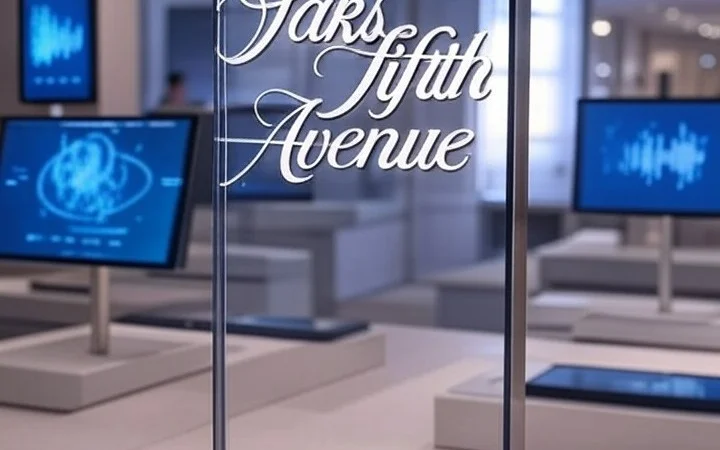
In the heart of Manhattan, where Fifth Avenue pulses with the rhythm of high-end commerce, Saks Fifth Avenue has long stood as a beacon of opulence. For nearly a century, its flagship store has drawn shoppers seeking the pinnacle of fashion and luxury. But on January 14, 2026, the parent company, Saks Global, filed for Chapter 11 bankruptcy protection, marking a stunning downfall for one of America’s most iconic retailers. This move, detailed in reports from Reuters , came barely a year after a ambitious merger with Neiman Marcus aimed to forge a luxury powerhouse but instead buried the entity under insurmountable debt.
The filing underscores broader challenges plaguing traditional department stores, from shifting consumer habits to fierce online competition. Saks Global, which also owns Bergdorf Goodman, grappled with billions in debt accrued during the 2025 acquisition of Neiman Marcus. According to NBC News , the company struggled with lagging sales and a debt load that proved too heavy amid a post-pandemic slowdown in luxury spending. The bankruptcy allows Saks to restructure while keeping stores open, supported by a $1.75 billion financing package, but questions linger about its long-term viability.
Insiders point to a cascade of missteps. The merger, intended to consolidate market share, instead amplified financial strains. Vendors began pulling back, payments were missed, and a rescue plan faltered, as outlined in an in-depth piece from Business Insider . A visit to the flagship store just hours before the filing revealed empty shelves and subdued foot traffic, painting a vivid picture of distress in what was once a bustling hub of extravagance.
The Debt Trap That Sealed the Fate
At the core of Saks’ troubles lies a staggering debt burden. The company took on approximately $5 billion in obligations to fund the Neiman Marcus deal, a gamble that backfired as interest rates climbed and luxury sales softened. CNBC reported that Saks missed a critical $100 million interest payment in late December 2025, triggering a scramble for emergency financing. This omission signaled deeper liquidity issues, with creditors circling as the retailer teetered on the edge.
The acquisition was meant to create synergies, combining Saks’ urban appeal with Neiman Marcus’ regional strength. Yet, integration proved chaotic. Overlapping operations led to inefficiencies, and the combined entity failed to capture the online shift that brands like LVMH and Kering have mastered. Posts on X from financial analysts highlighted this as part of a larger pattern in retail, where debt-fueled expansions often precede collapse, echoing sentiments in a BBC analysis of what went wrong at Saks.
Moreover, the luxury sector has faced headwinds from economic uncertainty. Inflation-weary consumers are pulling back on discretionary spending, opting for value over extravagance. Saks’ attempts to pivot, including bolstering its e-commerce presence, came too late. The bankruptcy filing includes plans for debt restructuring or a potential sale, but without it, liquidation loomed, as noted in coverage from The New York Times .
A Glimpse Inside the Flagship’s Fading Glory
To understand the human scale of this corporate drama, consider a recent walkthrough of the Saks Fifth Avenue flagship. As described in a firsthand account from Business Insider , the store’s grand halls, once teeming with eager buyers, now echo with emptiness. Designer sections displayed sparse inventory, with luxury handbags and apparel thinly stocked, a stark contrast to the abundance of yesteryear. Staff appeared subdued, whispering about vendor disputes that left shelves bare.
This visit, conducted mere hours before the bankruptcy announcement, highlighted operational woes. Escalators led to floors where high-end cosmetics counters stood half-empty, and the famed shoe salon, a Saks hallmark, showed signs of neglect. Shoppers milled about, but the energy felt lackluster, overshadowed by rumors of impending closure. Such scenes reflect broader retail shifts, where physical stores struggle against the convenience of platforms like Amazon and Farfetch.
Beyond aesthetics, the store’s struggles mirror Saks Global’s financial disarray. The company secured debtor-in-possession financing to maintain operations during Chapter 11, including $1.25 billion immediately available and more post-emergence, per CNBC reports. Yet, without addressing root causes like over-reliance on brick-and-mortar, recovery remains uncertain. X users, including retail watchers, have speculated on social media about potential buyers, from private equity firms to international conglomerates, fueling discussions on the platform.
Leadership Turmoil and Strategic Miscalculations
Leadership changes compounded Saks’ challenges. The appointment of a new CEO amid the filing, as mentioned in NBC News, aims to steer the restructuring. Former Neiman Marcus head Geoffroy van Raemdonck’s strategies drew criticism for prioritizing expansion over stability. Insiders, quoted in Reuters, blame aggressive borrowing for the collapse, noting that the merger’s promised efficiencies never materialized.
Strategic errors extended to vendor relations. As debts mounted, suppliers withheld goods, exacerbating inventory shortages. A Fox Business report detailed how Saks weighed bankruptcy as a $100 million payment loomed in December 2025, with liquidity drying up. This vendor pullback created a vicious cycle: fewer products led to lower sales, further straining cash flow.
Comparisons to past retail failures abound. Like the pandemic-era collapses of chains such as J.C. Penney, Saks’ case illustrates how department stores, once retail anchors, now battle irrelevance. The New York Times explored consumer implications, noting that shoppers may face limited options if stores close, pushing more traffic online. Yet, for industry insiders, this bankruptcy signals a reckoning for luxury retail’s old guard.
Ripples Through the Luxury Sector
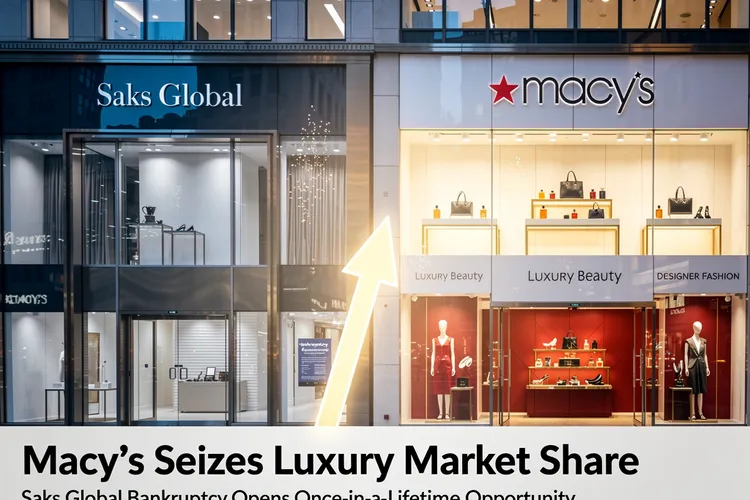
The fallout from Saks’ bankruptcy extends beyond its walls, rattling the entire high-end retail ecosystem. Competitors like Nordstrom and Macy’s watch closely, aware that similar debt loads could precipitate their own crises. Analysts on X have drawn parallels to broader economic trends, where post-merger integrations often fail amid rising costs, as seen in historical cases like the Sears debacle.
For employees, uncertainty reigns. Saks Global employs thousands across its brands, and while stores remain open for now, job cuts or closures could follow if restructuring falters. Business Insider’s store visit captured staff anxiety, with whispers of delayed paychecks and morale at rock bottom. This human element underscores the bankruptcy’s real-world impact, far removed from boardroom decisions.
Vendors and designers, too, feel the pinch. Luxury brands reliant on Saks for exposure now seek alternatives, potentially accelerating the shift to direct-to-consumer models. BBC coverage questioned the retailer’s future, suggesting a sale to a tech-savvy buyer could revive it, but liquidation remains a risk if no viable path emerges.
Pathways to Revival or Demise
Amid the gloom, glimmers of hope exist. The $1.75 billion financing package, detailed in CNBC, provides breathing room for negotiations with creditors. Saks aims to emerge from bankruptcy later in 2026, leaner and more focused on digital innovation. Industry experts speculate on potential acquirers, from Amazon to European luxury groups, though no firm bids have surfaced.
Historical precedents offer mixed lessons. Retailers like Barneys New York faced similar fates, with some assets surviving under new ownership. For Saks, preserving its flagship’s cultural significance could be key, as The New York Times noted in its consumer-focused piece. Yet, without adapting to omnichannel demands, any revival might be short-lived.
Social media buzz on X reflects public sentiment, with users lamenting the loss of a shopping institution while critiquing corporate greed. Posts highlight how debt-driven deals prioritize short-term gains over sustainability, a theme echoed in Reuters’ analysis of the merger’s failure.
Lessons for the Future of Retail
Saks’ saga serves as a cautionary tale for the industry. It exposes the perils of leveraging debt in a volatile market, where consumer preferences evolve rapidly. As online giants dominate, traditional players must innovate or perish. Fox Business reported on Saks’ emergency financing hunts, illustrating the desperation that preceded the filing.
For insiders, this bankruptcy prompts reflection on merger strategies. The Neiman Marcus deal, while ambitious, ignored warning signs like softening luxury demand. NBC News captured the broader doubt cast over luxury fashion’s future, with Saks’ collapse one of the largest since the pandemic.
Ultimately, Saks Fifth Avenue’s fate hinges on its ability to reinvent. Whether through asset sales, digital overhauls, or new leadership, the path forward demands agility. As Manhattan’s flagship stands resilient amid uncertainty, it symbolizes both the allure and fragility of luxury retail in an unforgiving era.






Leave a Reply
Your email address will not be published.