








The social media platform that once captivated over a billion users with its uncanny ability to serve up endless streams of personalized content is now facing a growing backlash from the very users who made it a cultural phenomenon. TikTok’s algorithm, long celebrated as the gold standard for content discovery, has undergone fundamental changes that are prompting longtime users to question whether the app still understands them—or whether it ever really did.
The shift represents more than just user frustration with a few bad recommendations. It signals a potential inflection point for algorithmic social media platforms, where the pursuit of engagement metrics and advertiser-friendly content may be undermining the authentic user experience that built these platforms in the first place. As users report increasingly generic, repetitive, and commercially-driven feeds, the question emerges: has TikTok’s algorithm become too smart for its own good, or has it simply lost touch with what made the platform special?
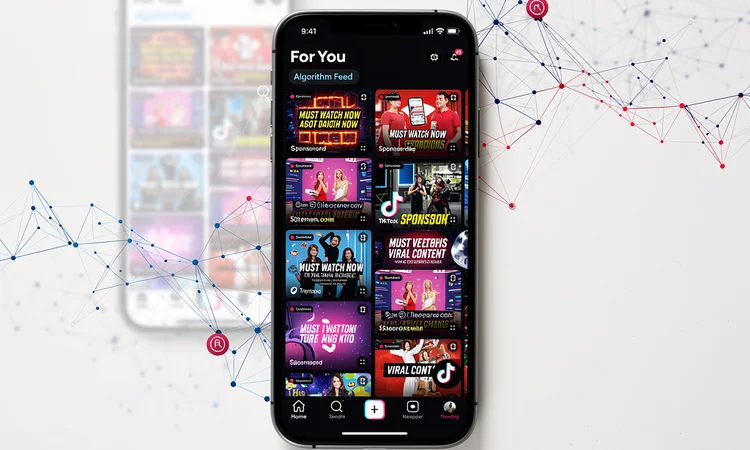
According to CNET , the changes to TikTok’s recommendation system have become so pronounced that some users are taking the drastic step of deleting the app entirely. The report highlights how the For You Page, once a finely-tuned engine of discovery that seemed to read users’ minds, now feels like a content assembly line optimized for watch time rather than genuine interest. Users describe feeds dominated by viral trends they’ve already seen, sponsored content masquerading as organic posts, and a noticeable decline in the niche, quirky content that once defined their TikTok experience.
The Evolution of Engagement Engineering
TikTok’s algorithmic prowess didn’t emerge from nowhere. The platform’s parent company, ByteDance, invested heavily in machine learning and recommendation systems, creating what industry analysts considered a quantum leap beyond the chronological feeds and simple engagement metrics that dominated earlier social platforms. The algorithm’s ability to hook users within seconds, serving them content they didn’t even know they wanted, became the company’s competitive moat and the envy of Silicon Valley.
The system worked by analyzing hundreds of signals: watch time, completion rates, shares, comments, and even the speed at which users scrolled past content. It tracked device information, language preferences, and location data to build increasingly sophisticated user profiles. Most importantly, it learned from negative signals—what users didn’t watch—as much as from positive engagement. This created a feedback loop that could rapidly adapt to changing interests and deliver what seemed like telepathic content curation.
However, the very sophistication of this system may have sown the seeds of its current problems. As TikTok grew from a niche app for lip-syncing teenagers to a mainstream platform competing with YouTube, Instagram, and traditional media for advertising dollars, the incentives driving the algorithm began to shift. The platform needed to serve multiple masters: users seeking entertainment, creators seeking audiences, advertisers seeking customers, and executives seeking growth metrics that would satisfy investors and regulators.
When Personalization Becomes Homogenization
The paradox of TikTok’s current predicament lies in how hyper-personalization can lead to a surprisingly uniform experience. As the algorithm optimizes for engagement metrics that matter to advertisers—namely, extended session times and predictable user behavior—it gravitates toward content that works broadly rather than content that resonates deeply with specific communities. Viral trends, celebrity content, and professionally-produced videos crowd out the amateur, authentic posts that once gave each user’s feed a unique flavor.
Users on social media platforms including X have documented this shift extensively, sharing screenshots of feeds that look remarkably similar despite supposedly being personalized. The algorithmic changes appear to prioritize content that has already proven successful with large audiences over experimental or niche material that might only appeal to specific user segments. This creates a self-reinforcing cycle where certain types of content dominate the platform, while creators who don’t fit the viral mold find themselves increasingly marginalized.
The commercial pressures facing TikTok have intensified these trends. With the platform facing potential regulatory challenges in multiple countries and mounting pressure to demonstrate profitability, the algorithm has seemingly been tuned to favor content that keeps users on the platform longer and exposes them to more advertising. Industry observers note that the ratio of sponsored content to organic posts has increased significantly, and the distinction between the two has become deliberately blurred.
The Creator Economy Under Strain
For content creators who built their audiences on TikTok’s promise of meritocratic discovery, the algorithmic changes represent an existential threat. The platform’s original appeal to creators was its supposed ability to surface quality content regardless of follower counts, allowing unknown creators to go viral overnight. This democratization of attention stood in stark contrast to platforms like Instagram, where existing follower bases and paid promotion largely determined reach.
However, creators now report that their content reaches far fewer viewers than it once did, even when their follower counts remain stable or growing. The algorithm appears to favor accounts that post frequently, use trending sounds, and conform to whatever format is currently performing well—requirements that can feel creatively stifling and economically unsustainable for independent creators. Many describe a constant chase for algorithmic favor, adjusting their content to match perceived preferences rather than pursuing their own creative vision.
This shift has broader implications for the creator economy that has emerged around TikTok. Brands and marketers who invested in TikTok influencer partnerships based on the platform’s unique discovery mechanisms now find themselves questioning the return on investment. If TikTok’s algorithm increasingly resembles those of other platforms, the platform loses its distinctive value proposition in the crowded social media marketplace.
The Technical Challenges of Scale
Understanding TikTok’s algorithmic evolution requires grappling with the technical challenges of operating a recommendation system at massive scale. With over a billion users generating millions of new videos daily, the computational requirements for truly personalized recommendations are staggering. The platform must balance the processing power needed for sophisticated analysis against the speed required to serve content in real-time, all while managing costs that scale with user growth.
Machine learning systems also face inherent challenges as they grow more complex. The more parameters a model has, the more training data it requires and the more prone it becomes to overfitting—learning patterns that don’t actually generalize to new situations. TikTok’s algorithm may be experiencing a version of this problem, where optimizing for measurable engagement metrics has caused it to lose sight of harder-to-quantify factors like user satisfaction, content diversity, and long-term platform health.
Additionally, algorithmic systems can develop unexpected behaviors as they optimize for their objectives. If the algorithm learns that certain types of content keep users watching, it will serve more of that content, which generates more data showing that users watch that type of content, creating a feedback loop that narrows rather than expands the content ecosystem. Breaking out of such loops requires deliberate intervention, but doing so risks reducing the engagement metrics that the algorithm was designed to maximize.
The User Exodus and Platform Loyalty
The decision to delete TikTok, as described in the CNET report, represents a significant threshold for user dissatisfaction. Social media platforms benefit from powerful network effects and habit formation that make users sticky even when their experience degrades. The fact that users are overcoming these barriers suggests that the algorithmic changes have crossed a line from annoying to intolerable for a meaningful segment of the user base.
This exodus, even if limited in scale, poses risks for TikTok beyond the immediate loss of users. Social platforms live and die by their cultural relevance, and the most engaged users—often the early adopters and trendsetters—tend to be the first to leave when a platform loses its edge. If TikTok loses these users to competitors or to simply spending time elsewhere, it risks entering a downward spiral where declining cultural relevance leads to further user losses, which accelerates the decline in relevance.
The timing of these changes is particularly challenging for TikTok given the competitive environment. Instagram Reels, YouTube Shorts, and other short-form video platforms are actively courting creators and users with improved monetization tools and algorithmic promises. If TikTok’s algorithm no longer offers a superior discovery experience, the platform’s competitive moat narrows considerably. Users and creators have shown they’re willing to multi-platform or switch entirely if the value proposition shifts.
Regulatory Pressures and Algorithmic Transparency
TikTok’s algorithmic challenges are unfolding against a backdrop of increasing regulatory scrutiny of social media platforms and their recommendation systems. Lawmakers in the United States, Europe, and other jurisdictions are proposing regulations that would require platforms to offer more transparency about how their algorithms work and give users more control over their content feeds. Some proposals would mandate options for chronological feeds or require platforms to explain why specific content was recommended.
These regulatory pressures may constrain TikTok’s ability to optimize its algorithm purely for engagement. If the platform must balance user welfare, content diversity, and other public interest considerations alongside traditional business metrics, the algorithm may need to make tradeoffs that reduce short-term engagement in favor of long-term sustainability. However, making such changes while competing against platforms that don’t face the same constraints presents obvious challenges.
The lack of transparency around algorithmic changes also fuels user frustration. When feeds suddenly shift without explanation, users develop conspiracy theories and lose trust in the platform. TikTok has historically been opaque about how its recommendation system works, citing both competitive concerns and the complexity of explaining machine learning systems. However, this opacity becomes a liability when users feel the algorithm is working against their interests.
The Path Forward for Algorithmic Social Media
TikTok’s struggles with its algorithm illuminate broader questions about the future of algorithmic social media. The platform’s trajectory suggests that the engagement-maximizing algorithms that powered social media’s growth may not be sustainable indefinitely. As users become more sophisticated about how these systems work and more aware of their manipulative potential, the tolerance for algorithmically-curated feeds may decline.
Some platforms are experimenting with giving users more control over their algorithmic experience, offering toggles to adjust content preferences or switch between algorithmic and chronological feeds. However, these approaches face their own challenges: most users lack the time or expertise to fine-tune complex algorithmic settings, and chronological feeds sacrifice the discovery benefits that made algorithmic curation appealing in the first place. Finding the right balance between algorithmic curation and user agency remains an unsolved problem.
The economic model underlying algorithmic social media may also need to evolve. Platforms funded primarily by advertising have inherent incentives to maximize engagement and session time, which can conflict with user welfare and content quality. Alternative models—subscription services, creator-focused platforms, or hybrid approaches—might better align platform incentives with user interests, but each comes with its own challenges and limitations in terms of scale and accessibility.
Implications for the Digital Attention Economy
The TikTok algorithm controversy reflects deeper tensions in the digital attention economy. As platforms compete ever more intensely for user time and attention, the temptation to optimize algorithms for addictiveness rather than satisfaction grows stronger. However, this approach may be reaching its limits as users become more conscious of how their attention is being manipulated and more willing to disconnect from platforms that feel exploitative.
For TikTok specifically, the path forward requires difficult choices. The platform could double down on its current algorithmic approach, betting that most users will adapt and that the engagement metrics will ultimately prove the strategy correct. Alternatively, it could attempt to recalibrate the algorithm to better balance commercial objectives with user satisfaction, even if that means accepting lower engagement metrics in the short term. A third option would be to offer users more control and transparency, though this risks revealing the extent to which the algorithm has been optimized for platform benefit rather than user value.
What’s clear is that the era of algorithmic social media platforms making unilateral decisions about user experience without facing consequences may be ending. As users become more sophisticated, alternatives proliferate, and regulators pay closer attention, platforms will need to demonstrate that their algorithms serve user interests, not just corporate ones. For TikTok, the wave of deletions described by frustrated users may be an early warning sign that the balance has tipped too far—and that recalibrating the algorithm isn’t just a technical challenge, but an existential necessity for the platform’s future relevance and survival.






Leave a Reply
Your email address will not be published.