







In the intricate web of global supply chains, few materials hold as much sway over technological advancement as copper. As we step into 2026, industry forecasts point to a significant upswing in demand for this reddish metal, driven by the insatiable needs of artificial intelligence, renewable energy, and electric vehicles. Recent reports highlight a potential boom year ahead, with production ramping up to meet escalating requirements, yet lingering concerns about supply constraints and geopolitical tensions add layers of complexity to this optimistic outlook.
Analysts from various sectors are buzzing about copper’s pivotal role in powering the next wave of innovation. Data centers, the backbone of AI operations, are gobbling up vast quantities of the metal for wiring and cooling systems. Meanwhile, the push toward electrification in transportation and energy grids further amplifies this demand. According to a recent piece in TechRadar , this vital material is poised for a banner year, potentially alleviating some of the shortages that plagued previous cycles.
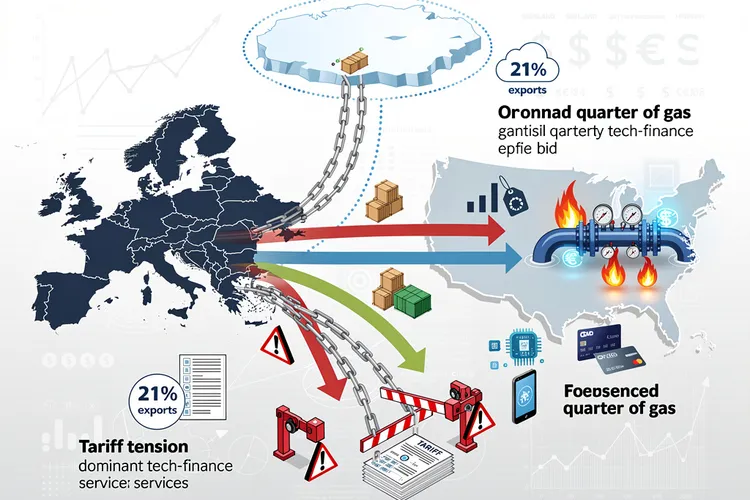
Yet, this surge isn’t without its hurdles. China’s dominance in copper processing—controlling roughly half of the global capacity—introduces vulnerabilities tied to international relations and trade policies. Insiders note that any disruptions in this arena could ripple through electronics manufacturing, affecting everything from smartphones to supercomputers.
Geopolitical Shadows Over Supply Stability
The concentration of processing power in one nation has sparked debates among experts about diversifying sources. Recent posts on X from market watchers, including hedge fund analysts, underscore the metal’s impressive price gains, with some predicting the most severe deficits in decades. Morgan Stanley’s outlook, echoed in these discussions, forecasts a shortfall of nearly 600,000 tons in 2026, the worst since 2004.
This prediction aligns with broader industry sentiments. For instance, a report from Supply Chain Dive outlines five key trends for the year, emphasizing cost optimization amid economic fragmentation. Retailers and manufacturers are prioritizing resilient networks to counter such risks, integrating advanced technologies like AI for better forecasting.
Beyond geopolitics, environmental factors play a crucial role. Mining operations face increasing scrutiny over sustainability, with new regulations in major producing countries like Chile and Peru aiming to reduce water usage and emissions. These measures, while necessary, could temporarily curb output, exacerbating tight supplies.
AI and Data Centers Fueling Unprecedented Demand
The explosion in AI applications is a primary driver behind copper’s resurgence. Data centers require miles of copper cabling for efficient power distribution and heat management. As companies like Nvidia and Google expand their infrastructure, the demand for high-purity copper has skyrocketed. Insights from Chemical & Engineering News detail how the post-pandemic recovery in electronics is bolstering this trend, with materials suppliers reporting upswings in orders.
Electric vehicles add another dimension, each one consuming up to four times more copper than traditional cars for batteries and motors. Projections from industry leaders, as shared in X threads by investors focused on EVs, suggest India’s push toward 30% adoption by 2030 will further strain global resources. This ties into sectors like defense and renewable energy, where copper is indispensable for advanced systems.
Manufacturing predictions for 2026, as outlined in a BDO analysis , highlight trends such as digital transformation and reshoring efforts. These shifts aim to localize production, reducing dependency on distant suppliers and mitigating risks from international disruptions.
Innovations in Extraction and Recycling
To meet this burgeoning need, innovations in mining and recycling are gaining traction. Advanced extraction techniques, including bioleaching and automated drilling, promise to boost yields from existing mines. Companies are investing heavily in these technologies, with some X posts from supply chain automation accounts noting early January stories on commodity volatility and energy constraints.
Recycling offers a sustainable path forward. Urban mining—recovering copper from electronic waste—is becoming more efficient, potentially covering a significant portion of future demand. Reports from Supply Chain Magazine gather leader insights predicting that circular economy practices will define 2026, with AI aiding in material recovery processes.
However, challenges persist in scaling these solutions. Infrastructure for large-scale recycling lags in many regions, and the quality of recycled copper must match that of virgin material for high-tech applications. Industry insiders stress the need for policy support to accelerate these developments.
Economic Ripples and Market Dynamics
The economic implications of copper’s boom extend far beyond mining pits. Price volatility affects downstream industries, from construction to consumer electronics. Hedgeye’s commentary on X, reflecting broader market views, notes copper’s 43% rise last year, signaling strong momentum into 2026. This could translate to higher costs for end products, prompting companies to seek alternatives or optimize usage.
Supply chain modernization is a recurring theme. A Morningstar survey of over 400 professionals reveals a race toward connected networks and cloud tech for resilience. In healthcare and transportation, where copper is vital for equipment and infrastructure, these advancements could prevent disruptions.
Logistics experts, as per Logistics Viewpoints , report on weekly developments showing how digital tools are redefining trade flows. For copper, this means better tracking from mine to market, reducing losses and improving efficiency.
Regional Shifts and Investment Opportunities
Geographically, the focus is shifting. While South America remains a powerhouse, Africa and Australia are emerging as key players with untapped deposits. Investments in these areas, driven by government incentives, could diversify the global supply base. X posts from microcap investors highlight proposals for duty-free imports of critical raw materials, including copper, in regions like India to bolster semiconductor industries.
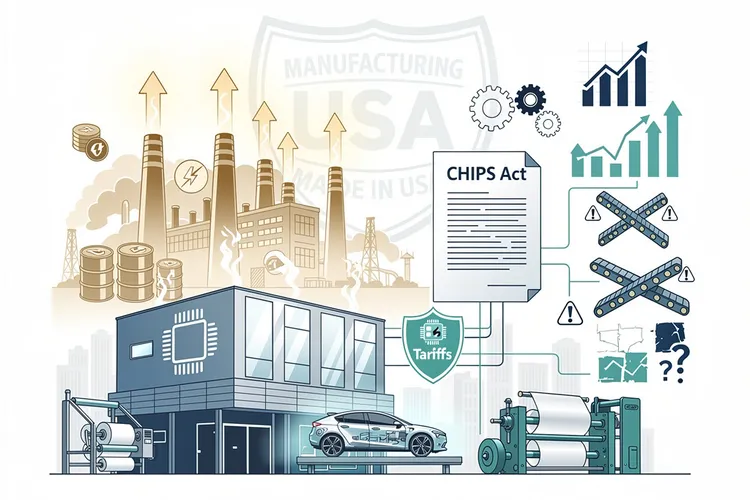
In the U.S., reshoring initiatives are gaining steam. The Biden administration’s efforts, extended into 2026, aim to strengthen domestic production of vital materials. A Becker’s ASC update on medical supply chains notes ongoing disruptions but also outlines plans to bolster resilience, indirectly benefiting copper-dependent sectors.
For investors, this presents a mixed bag. While mining stocks may soar, volatility from geopolitical events could deter the faint-hearted. Analysts recommend focusing on companies with strong hedging strategies and diversified portfolios.
Sustainability Imperatives in the Copper Surge
Sustainability is no longer optional in the copper narrative. With climate goals looming, producers are adopting green mining practices, such as solar-powered operations and reduced carbon footprints. Insights from Supply Chain Management Review feature expert views on trends emphasizing eco-friendly logistics and material sourcing.
Consumer demand for ethical products is pushing this agenda. Electronics giants are committing to traceable supply chains, ensuring copper isn’t linked to environmental degradation or labor issues. This transparency, facilitated by blockchain, could become standard by decade’s end.
Yet, balancing growth with responsibility requires collaboration. International forums are discussing standards for sustainable mining, potentially leading to certifications that premiumize responsibly sourced copper.
Technological Synergies and Future Prospects
Looking ahead, synergies with other technologies could amplify copper’s role. In advanced packaging for semiconductors, as noted in X investment memos, copper’s conductivity is unmatched. TSMC’s processes highlight bottlenecks that innovations aim to resolve, ensuring supply keeps pace with demand.
The integration of AI in supply chain management promises predictive analytics for better demand forecasting. Prologis offers bold predictions, tapping proprietary data to foresee trends like automated warehousing, which could streamline copper distribution.
For industry players, adapting to these dynamics means investing in agility. Partnerships across the value chain—from miners to manufacturers—will be key to navigating fluctuations.
Strategic Responses from Global Players
Major corporations are already positioning themselves. Mining behemoths like BHP and Rio Tinto are expanding operations, while tech firms secure long-term contracts to lock in supplies. X threads from Indian investors point to sectors like EVs and defense as growth engines, with companies like Tata Motors benefiting from stable copper access.
Government policies are crucial. In the EU and U.S., subsidies for green tech indirectly support copper demand. Meanwhile, China’s strategies, as per TechRadar, involve maintaining processing dominance while exploring new mines.
This multifaceted approach underscores copper’s enduring importance. As 2026 unfolds, the metal’s trajectory will shape technological progress, economic stability, and environmental stewardship.
Voices from the Field and Emerging Narratives
Industry voices on X, from warehouse managers to equity analysts, paint a picture of optimism tempered by caution. Posts discuss industrial rewrites, with pharma and mining surges reshaping regional economies. These grassroots insights complement formal reports, offering real-time sentiment.
Emerging narratives focus on the “silicon squeeze” intersecting with copper needs, where advanced materials demand spikes. Morgan Stanley’s research, referenced in online discussions, signals lithium parallels but emphasizes copper’s unique position.
Ultimately, stakeholders must monitor these developments closely. The boom could herald prosperity, but preparedness for bottlenecks will determine who thrives in this red metal renaissance.






Leave a Reply
Your email address will not be published.