








Software development teams have long relegated digital accessibility to the status of technical debt, a low-priority item deferred until budgets and timelines align. This mindset, however, has proven disastrous amid mounting regulatory mandates and a surge in litigation. Bob Farrell, vice president of solution delivery and accessibility at Applause, argues in SD Times that “software teams have spent years treating accessibility like technical debt—something to address in the backlog when there’s time, budget and organizational will. That approach has failed.”
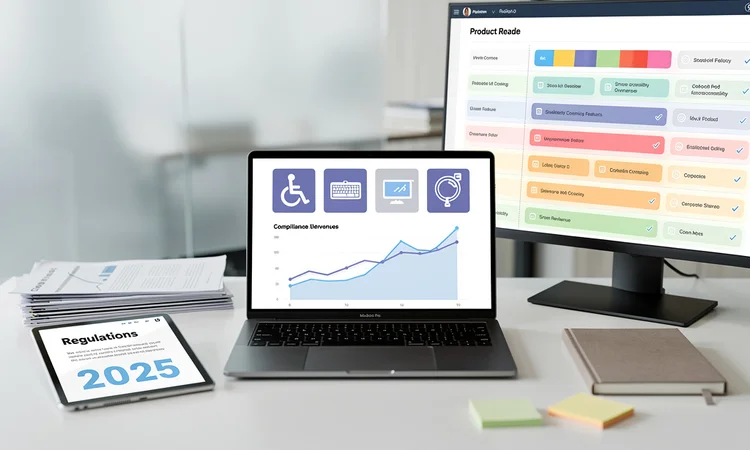
Statistics underscore the crisis: Only 54% of organizations claim compliance with WCAG 2.2 standards, per an Applause survey , while WebAIM reports that 95% of the top one million home pages contain WCAG 2.2 errors, as detailed in their Million report . The European Accessibility Act’s enforcement began in June 2025, intensifying compliance pressures across Europe, alongside relentless ADA lawsuits in the U.S.
The core issue lies in fragmented ownership. Developers incorporate accessibility sporadically, designers apply inclusive principles when possible, and QA performs checks under deadline strain. Applause’s research reveals that while 80% of organizations now assign accessibility responsibility—up from 52% in 2022—68% lack the expertise and resources for ongoing independent testing.
Business Imperative Drives Dedicated Ownership
Farrell proposes the Accessibility Product Manager (APM), a role bridging business strategy, user experience, and technical execution. This isn’t a rebadged specialist running scans; the APM joins planning sessions, shapes roadmaps, and channels feedback from users with disabilities into decisions from inception to launch. “An Accessibility Product Manager operates at the intersection of business strategy, user experience, and technical implementation,” Farrell writes in SD Times. They position accessibility as a feature fostering innovation, not mere compliance.
The financial rationale is compelling. Accenture’s research shows companies excelling in disability inclusion generate 1.6 times more revenue, 2.6 times more net income, and double the economic profit versus peers, according to their 2023 report . The Return on Disability Group estimates people with disabilities and their networks hold $13 trillion in annual disposable income, per their 2020 annual report . These users deliver loyalty to inclusive brands.
“Everyone owns it, which means no one owns it,” Farrell notes, highlighting the pitfalls of diffused accountability. An APM establishes clear authority, embedding accessibility into the product lifecycle upfront.
Curb-Cut Effects Propel Mainstream Adoption
Accessibility innovations often yield widespread benefits, exemplified by the curb-cut effect. In the 1970s, lowered curbs for wheelchairs aided parents with strollers, delivery workers, travelers with luggage, and joggers. Digitally, real-time captioning—initially for deaf users—now serves 70% of Gen Z viewers irrespective of hearing ability, per a Preply survey . AI-driven dialogue enhancement, designed for accessibility, now enhances viewing in noisy settings.
“These aren’t accommodations anymore. They’re competitive advantages that opened new markets,” Farrell observes. APMs champion such opportunities, posing critical questions in planning: How does a blind user navigate this? What about motor or cognitive limitations? These inquiries avert expensive retrofits and broaden market reach.
Automated tools detect only 20-40% of issues, per Applause’s analysis . APMs forge ties with disabled users, ensuring real-world testing with assistive technologies surpasses AI limitations.
Strategic Placement and Organizational Shifts
The APM must report to product leadership, not QA or compliance, to influence strategy and revenue. Forward-thinking firms view accessibility as personalization, erasing the divide between “accessible” and mainstream. “Development teams implementing this approach find that accessibility expertise becomes distributed rather than concentrated,” Farrell explains. The APM doesn’t execute all tasks but ensures engineers receive accessibility-specified requirements and designers incorporate diverse abilities in research.
TPGi emphasizes product managers’ oversight role without needing specialist status. “Product managers need not be accessibility specialists, but are ideally placed to oversee an accessibility strategy throughout the product development process,” states their guide . U.S. Digital Service’s Accessibility for Teams echoes this: Product managers communicate requirements early, assign responsibilities, and enforce accountability, per their resource .
Pragmatic Institute urges embedding accessibility in strategy: “Set accessibility goals as part of your product strategy,” from their article . Level Access warns against afterthoughts, noting remediation creates technical debt, in their agile guide .
Regulatory Heat and Innovation Opportunities
Enforcement of the European Accessibility Act from June 2025, coupled with advocacy spotlighting non-compliance, elevates risks. Yet Farrell stresses the upside: “Organizations that treat accessibility as a source of innovation rather than a compliance burden will outcompete those stuck in remediation mode.” They seize share from underserved users and craft universally beneficial features.
On X, the Great Plains ADA Center highlighted SD Times’ piece: “Insightful article… about the importance of adding an Accessibility Product Manager to product development.” Level Access promoted operationalizing accessibility at scale in a TechDay byline. Deque Systems’ Senior Product Manager @theHarrisius discussed AI-human testing synergies at Axe-Con.
“The Accessibility Product Manager makes this transformation possible by giving accessibility the strategic attention it deserves,” Farrell concludes. “The companies that create this role now will build the inclusive products that define the next decade of software development.”






Leave a Reply
Your email address will not be published.