






Amazon’s Turbulent Flight: Stumbling in the Drone Delivery Skies
In the high-stakes world of e-commerce logistics, Amazon has long positioned itself as a pioneer, but its ambitious drone delivery program is facing headwinds that could redefine its dominance. Launched with fanfare in 2013, Prime Air promised to revolutionize last-mile delivery by zipping packages to customers in under 30 minutes via unmanned aerial vehicles. Yet, as we approach the end of 2025, Amazon finds itself trailing competitors like Walmart and Zipline in the race to scale drone operations. Recent incidents, regulatory scrutiny, and operational pivots highlight a company grappling with safety concerns, technological hurdles, and fierce rivalry.
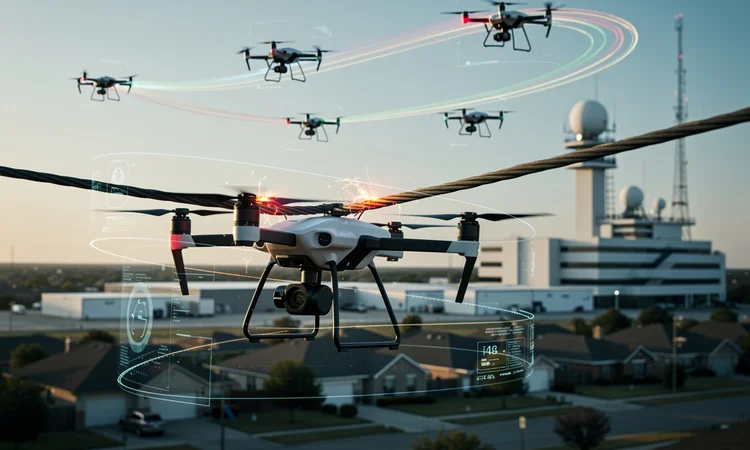
A pivotal moment came in November 2025 when an Amazon MK30 drone clipped an internet cable during a delivery in Texas, prompting an immediate investigation by the Federal Aviation Administration (FAA). This mishap not only disrupted local services but also amplified broader questions about the safety and reliability of drone fleets in densely populated areas. According to reports from CNBC , the incident underscores Amazon’s challenges in integrating drones into everyday urban environments, where obstacles like power lines and unpredictable weather pose constant risks. Industry insiders note that such events erode public trust and invite stricter oversight, potentially delaying widespread adoption.
Amazon’s response has been to shift strategies, including ending operations in some test sites like College Station, Texas, while expanding to new locations such as Richardson and Hazel Park, Michigan. This recalibration aims to integrate drone hubs directly into fulfillment centers, streamlining logistics. However, critics argue these moves reflect deeper issues: slow progress in achieving beyond-visual-line-of-sight (BVLOS) approvals and difficulties in scaling beyond limited pilots. Posts on X from users like tech analysts highlight growing skepticism, with one noting that regulatory roadblocks in states like California have forced Amazon to relocate efforts, echoing broader supply chain delays in drone tech.
Regulatory Hurdles and Safety Setbacks Slowing Momentum
The FAA’s probe into the Texas incident is just the latest in a series of regulatory challenges for Amazon. In September 2025, the company announced a pivot away from certain U.S. cities to focus on areas with more favorable conditions, as detailed in a DRONELIFE article. This strategic retreat comes amid competition from Walmart, which has aggressively expanded its drone deliveries, partnering with providers like DroneUp to cover more ground. Walmart’s approach, emphasizing hybrid models that combine drones with ground transport, has allowed it to deliver in diverse settings without the same level of scrutiny Amazon faces.
Beyond regulations, Amazon’s drone program has been plagued by technical glitches and design iterations. The company has tested over 50,000 drone concepts since inception, as recalled in older X posts from industry observers, yet the path to a robust, weather-resistant fleet remains elusive. A November 2025 market analysis from GlobeNewswire points to opportunities in AI-enhanced autonomy, but Amazon’s integration of such tech has lagged, with rivals like Zipline leveraging advanced analytics for medical deliveries in rural areas. This gap is evident in Amazon’s goal of 500 million annual drone deliveries by decade’s end, a target that seems increasingly ambitious given current setbacks.
Competition is intensifying, with Walmart not only matching Amazon’s pace but surpassing it in some metrics. Recent expansions in Dallas-Fort Worth, as covered by The Dallas Morning News , show Amazon playing catch-up in its own backyard. X users have buzzed about Walmart’s “game-changing” drone service rollout, contrasting it with Amazon’s stumbles, including the cable-snapping incident that fueled memes and criticism online. For industry veterans, this rivalry signals a shift: Amazon’s early mover advantage is eroding as nimbler players capitalize on regulatory wins and partnerships.
Competitive Pressures from Walmart and Emerging Players
Walmart’s drone initiatives have gained traction by focusing on practical, scalable applications, such as delivering groceries in under 30 minutes in select markets. A December 2025 post on X from a major news outlet highlighted Walmart’s expansion following Amazon’s “ultra-fast” promises, underscoring how the retail giant is outpacing its rival in customer adoption. This is partly due to Walmart’s collaboration with drone specialists, allowing for quicker iterations and fewer high-profile failures. In contrast, Amazon’s in-house development has led to costly redesigns, with the MK30 model still under FAA review for broader deployment.
Emerging competitors like Wing, owned by Alphabet, and startups such as Matternet are also chipping away at Amazon’s lead by specializing in niche areas like urban and medical deliveries. A systematic literature review published in The International Journal of Logistics Management emphasizes the interdisciplinary challenges in last-mile drone logistics, including integration with existing supply chains—areas where Amazon has struggled. Industry reports suggest that while Amazon resumed deliveries in two test markets in April 2025, as noted in Digital Commerce 360 , the scale remains limited compared to competitors’ broader footprints.
On X, discussions from 2025 reveal a mix of optimism and caution, with users pointing to global supply chain issues like chip shortages and cybersecurity risks delaying drone advancements. One post from a research forum reiterated how export controls and certification delays are universal hurdles, but Amazon’s size makes it a bigger target for scrutiny. This sentiment aligns with broader industry views that Amazon’s vertical integration, while innovative, exposes it to more risks than agile partnerships favored by rivals.
Technological Innovations and Future Pathways
Amazon is not standing still; recent FAA approvals for smaller drones capable of BVLOS flights in Arizona signal potential recovery. An X post from November 2024 celebrated this milestone, noting the drones’ ability to provide same-day delivery, though questions about scalability persist. The company’s push into eco-focused operations, including hybrid delivery models, could address environmental concerns that have dogged drone programs, as outlined in the GlobeNewswire analysis referenced earlier.
Yet, insiders worry about Amazon’s ability to overcome inherent challenges like weather dependency and airspace congestion. The Texas incident, detailed in a Tech Research Online piece, raised alarms about future U.S. drone rules, potentially imposing stricter guidelines that favor competitors with cleaner safety records. X chatter from December 2025 includes warnings about people interfering with drones, such as using grappling hooks, highlighting unconventional risks in real-world deployment.
Looking ahead, Amazon’s international expansions, including launches in the UK as announced in a January 2025 X post from a financial news handle, offer glimmers of hope. However, domestic competition remains fierce, with Walmart’s recent North Texas rollout, covered by DroneXL , directly challenging Amazon’s turf. The company’s Michigan expansion, also from DroneXL in November 2025, aims to deepen metro Detroit operations, but integrating these into a cohesive network will test Amazon’s resolve.
Strategic Shifts Amid Evolving Market Dynamics
To regain momentum, Amazon is betting on AI and drone-as-a-service models, trends forecasted to drive U.S. drone market growth through 2030. Yet, as the DRONELIFE report indicates, operational expansions like BVLOS are key, and Amazon’s pivots suggest a recognition of past overambition. Rivals’ successes in hybrid systems—combining drones with autonomous vehicles—offer lessons Amazon could adopt to mitigate risks.
Public perception, fueled by social media, plays a crucial role. X posts from late 2025 discuss Amazon’s new drones for longer flights and safer navigation, but skepticism lingers due to incidents like the cable snag. For industry leaders, this narrative underscores the need for transparent communication and robust testing protocols.
Ultimately, Amazon’s drone journey reflects broader tensions in tech-driven logistics: balancing innovation with safety and regulation. As competitors like Walmart forge ahead, Amazon must navigate these skies carefully to avoid further turbulence, potentially reshaping how e-commerce giants approach aerial delivery in the years ahead. With ongoing FAA reviews and market expansions, the coming months will be pivotal in determining whether Prime Air can soar or remains grounded.






Leave a Reply
Your email address will not be published.