




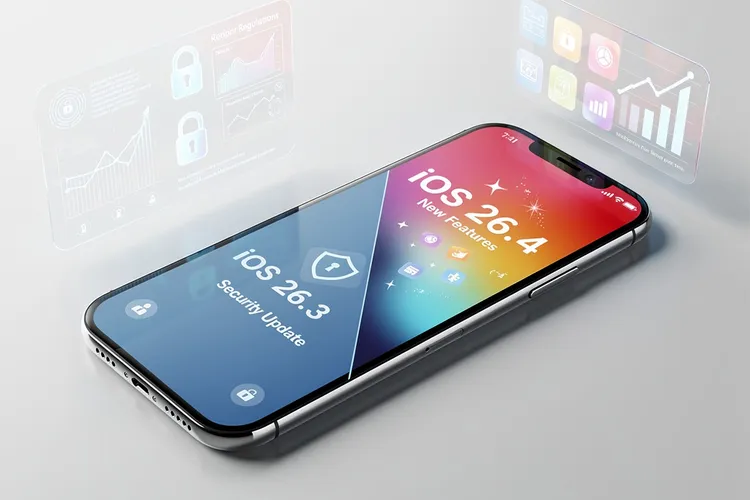
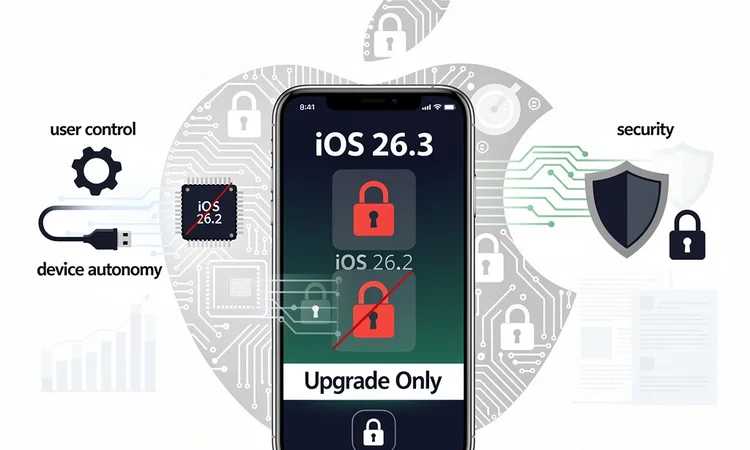
Apple has quietly stopped signing iOS 26.2, effectively preventing iPhone and iPad users from downgrading to the previous version of its mobile operating system. The move, first reported by 9to5Mac , represents the company’s standard practice of closing the downgrade window shortly after releasing newer software versions, but it raises fresh questions about user autonomy and Apple’s increasingly firm grip on the software experience across its devices.
The Cupertino-based tech giant typically stops signing older iOS versions within one to two weeks of releasing a new update, a practice designed to ensure users remain on the most secure and stable version of the operating system. However, this policy has long been a point of contention among power users, developers, and consumer advocates who argue that users should maintain greater control over their devices’ software versions, particularly when new updates introduce bugs or performance issues that weren’t present in previous releases.
For those unfamiliar with the technical mechanics, Apple’s signing process works as a digital gatekeeper. When a user attempts to install or restore an iOS version on their device, Apple’s servers must cryptographically “sign” that version to verify its authenticity and authorize the installation. Once Apple stops signing a particular version, users can no longer install it, even if they have the firmware file saved on their computer. This system prevents users from downgrading to older, potentially vulnerable versions of iOS, but it also eliminates the safety net for those experiencing problems with newer updates.
The Security Rationale Behind Forced Updates
Apple has consistently defended its signing policy as essential to maintaining security across its ecosystem. By preventing downgrades to older iOS versions, the company ensures that known security vulnerabilities cannot be exploited by malicious actors. This approach aligns with Apple’s broader security philosophy, which prioritizes protecting the average user from threats they might not fully understand or anticipate. The company argues that allowing widespread use of outdated software versions would create a fragmented security environment, making it easier for attackers to target devices running older, compromised code.
Security researchers have generally supported this position, noting that many high-profile exploits specifically target older iOS versions that contain known vulnerabilities. By maintaining tight control over which software versions remain accessible, Apple can effectively force critical security patches onto devices, even when users might prefer to delay updates. This centralized approach has contributed to iOS’s reputation as one of the most secure mobile operating systems, with significantly higher adoption rates for the latest software versions compared to Android’s more fragmented ecosystem.
The User Experience Dilemma
Despite the security benefits, Apple’s policy creates genuine frustrations for users who encounter problems with new iOS releases. Software updates occasionally introduce bugs that affect specific device models, degrade battery performance, or cause compatibility issues with third-party applications. In these scenarios, users have historically appreciated the ability to downgrade to a previous, more stable version while Apple works to address the problems through subsequent updates.
The brief window during which downgrades remain possible has become a critical decision point for many iPhone users. Tech-savvy individuals often wait to see early reports from other users before updating, knowing that once they upgrade and Apple stops signing the older version, there’s no turning back. This creates a pressure-filled environment where users must weigh the potential benefits of new features against the risk of encountering bugs that cannot be easily reversed.
Industry Implications and Competitive Dynamics
Apple’s approach to software version control stands in stark contrast to practices in the broader technology industry. Android manufacturers, while also encouraging users to stay current with updates, generally provide more flexibility for power users to install custom firmware or revert to previous versions. The PC and Mac computing worlds have long allowed users to maintain older operating system versions indefinitely, though Apple has been gradually tightening restrictions in the macOS ecosystem as well.
This divergence reflects fundamentally different philosophies about user control versus platform security. Apple’s walled-garden approach prioritizes a controlled, consistent experience where the company makes key decisions on behalf of users. Critics argue this represents paternalistic overreach, while supporters contend it’s necessary to maintain the seamless, secure experience that has become Apple’s trademark. The debate touches on broader questions about device ownership in an era when hardware and software are increasingly intertwined and interdependent.
The Developer Perspective
For iOS developers, Apple’s signing policies create additional complexity in the development and testing process. When bugs emerge in new iOS versions, developers must quickly adapt their applications to work around the issues, knowing that users cannot simply downgrade to avoid the problems. This places pressure on development teams to maintain compatibility across multiple iOS versions simultaneously, even as Apple pushes users toward the latest release.
The situation becomes particularly challenging when new iOS versions introduce changes that break existing functionality in third-party apps. Developers must balance the need to support users on the latest iOS version with maintaining compatibility for those who haven’t yet updated. Once Apple stops signing the older version, this balancing act becomes somewhat easier, as developers can focus their efforts on supporting the versions that users can actually install, but it also means any users experiencing problems have fewer options for resolution.
Regulatory Scrutiny and Right-to-Repair Movements
Apple’s control over iOS downgrades has attracted attention from regulators and right-to-repair advocates who view such restrictions as limiting consumer choice and device longevity. In the European Union, where the Digital Markets Act has imposed new requirements on major technology platforms, questions have emerged about whether preventing software downgrades conflicts with principles of user autonomy and device control. While the regulation primarily focuses on interoperability and app store policies, the broader spirit of the legislation suggests growing regulatory skepticism toward practices that limit user control over purchased devices.
Right-to-repair advocates argue that preventing software downgrades represents another form of planned obsolescence, as users experiencing problems with new iOS versions may feel compelled to purchase new hardware rather than continue using a device that no longer performs adequately on the forced software version. This concern becomes particularly acute for older devices that may struggle with the performance demands of newer iOS versions, even if they functioned perfectly well on previous software releases.
Looking Forward: The Future of Software Control
As Apple continues to expand its services business and deepen the integration between hardware, software, and cloud services, the company’s control over software versions takes on additional significance. The inability to downgrade iOS versions means users are also locked into whatever changes Apple makes to system-level services, privacy settings, and default behaviors. This creates a powerful mechanism for Apple to implement strategic changes across its user base, knowing that adoption will be near-universal within weeks of any new release.
The closing of iOS 26.2 signing represents just the latest iteration of a long-standing policy, but it arrives at a moment when questions about Big Tech control over user devices have never been more prominent in public discourse. As legislators, regulators, and consumers increasingly scrutinize the power wielded by major technology platforms, practices that once seemed like routine technical decisions may face greater challenges. Whether Apple will maintain its current approach or adapt to changing expectations remains to be seen, but for now, users who updated to the latest iOS version will need to stay there, for better or worse.






Leave a Reply
Your email address will not be published.