







In an unprecedented move that has caught the attention of enterprise IT managers and consumer technology analysts alike, Apple appears poised to execute a rapid-fire dual release of iOS 26.3 and iOS 26.4, marking a significant departure from the company’s traditionally methodical software update cadence. This strategic shift, first reported by MacRumors , suggests Cupertino is adapting its development philosophy to address mounting pressure from both regulatory bodies and an increasingly sophisticated user base demanding faster feature deployment and security enhancements.
The dual-release approach represents more than mere scheduling convenience. Industry observers note this strategy allows Apple to segment critical security patches from feature enhancements, potentially reducing the risk exposure window while simultaneously maintaining a steady drumbeat of user-facing improvements. This bifurcated methodology could become the template for future iOS development cycles, particularly as the company navigates complex regulatory requirements in the European Union and other jurisdictions where digital markets legislation demands greater flexibility and openness from dominant platform providers.
The Technical Architecture Behind Consecutive Updates
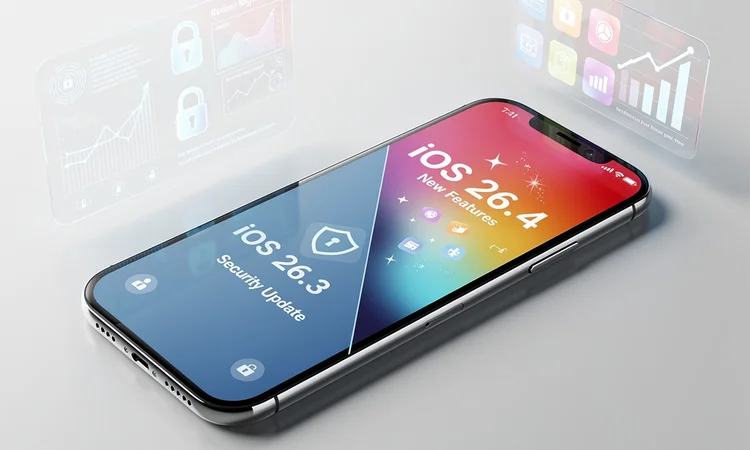
According to the MacRumors analysis , iOS 26.3 is positioned as a foundational update addressing core system stability and security vulnerabilities, while iOS 26.4 will introduce consumer-facing features that leverage the architectural improvements established in its predecessor. This staggered approach allows Apple’s engineering teams to validate critical system-level changes in a production environment before layering additional functionality, reducing the compound risk that has occasionally plagued major iOS releases in recent years.
The technical implications extend beyond simple bug fixes. Sources familiar with the development process indicate that iOS 26.3 includes substantial refinements to the operating system’s memory management protocols, particularly affecting how applications interact with the Neural Engine on A17 Pro and M-series chips. These under-the-hood optimizations may not generate consumer headlines, but they establish the performance envelope necessary for the more ambitious features planned for iOS 26.4, including enhanced on-device machine learning capabilities and expanded spatial computing integration for devices in Apple’s ecosystem.
Regulatory Compliance and Market Positioning
The timing of these releases cannot be divorced from Apple’s ongoing negotiations with regulatory authorities worldwide. The European Union’s Digital Markets Act has forced Apple to fundamentally reconsider how it approaches iOS development, particularly regarding third-party app distribution, browser engine requirements, and interoperability standards. By separating compliance-related modifications into discrete update packages, Apple can demonstrate responsiveness to regulatory mandates while maintaining control over the pace and scope of changes to its core platform.
This regulatory dimension adds complexity to what might otherwise appear as straightforward software maintenance. Legal and technical teams must collaborate more closely than ever, ensuring that each update satisfies not only engineering standards but also the increasingly granular requirements imposed by competition authorities. The dual-release strategy provides Apple with greater flexibility to address compliance issues promptly while continuing to advance its product roadmap on a parallel track, potentially avoiding the delays that have affected other major technology platforms facing similar regulatory scrutiny.
Enterprise Adoption and IT Management Considerations
For enterprise IT departments managing large iPhone and iPad deployments, the prospect of consecutive major updates presents both opportunities and challenges. The traditional quarterly update cycle allowed IT managers to plan testing, validation, and deployment schedules with reasonable predictability. A compressed timeline between iOS 26.3 and iOS 26.4 requires more agile device management strategies and potentially accelerated compatibility testing for business-critical applications.
However, the segmentation of security updates from feature releases could ultimately benefit enterprise users. Organizations with conservative update policies can prioritize the security-focused iOS 26.3 deployment while deferring the feature-rich iOS 26.4 until comprehensive compatibility testing is complete. This flexibility represents a subtle but meaningful improvement in how enterprises can balance security imperatives against operational stability, particularly in regulated industries where change management processes involve extensive documentation and approval workflows.
Developer Ecosystem Implications
The developer community faces its own adaptation requirements as Apple accelerates its update cadence. Third-party developers must now anticipate and prepare for multiple significant iOS releases within compressed timeframes, potentially straining quality assurance resources and complicating release planning. The challenge is particularly acute for smaller development teams that lack the infrastructure to maintain multiple concurrent testing environments and may struggle to keep pace with Apple’s evolving platform requirements.
Yet this pressure also creates opportunities for developers who can move quickly and capitalize on new capabilities before competitors. The features anticipated in iOS 26.4, according to developer documentation reviewed by industry analysts, include expanded APIs for health data integration, enhanced privacy-preserving analytics frameworks, and new tools for creating immersive experiences that bridge traditional iOS interfaces with spatial computing environments. Developers who successfully navigate the rapid update cycle can differentiate their applications by offering cutting-edge functionality that leverages these platform enhancements ahead of the broader market.
Performance Benchmarks and User Experience Metrics
Early beta testing data suggests that iOS 26.3 delivers measurable performance improvements across key metrics, with particular gains in application launch times and background task efficiency. These optimizations appear most pronounced on older devices, suggesting Apple is making concerted efforts to extend the useful lifespan of its installed base—a strategic priority as device replacement cycles lengthen and environmental sustainability concerns influence consumer purchasing decisions.
The user experience refinements planned for iOS 26.4 build upon this performance foundation, introducing interface enhancements that leverage the improved responsiveness established in iOS 26.3. Beta testers have reported smoother animations, more consistent gesture recognition, and reduced latency in system-wide interactions. These incremental improvements may seem modest in isolation, but collectively they contribute to the perception of quality and polish that has historically differentiated iOS from competing mobile platforms.
Strategic Implications for Apple’s Competitive Position
The dual-release strategy reflects Apple’s evolving response to competitive pressures in the mobile operating system market. While iOS maintains dominant market share in premium segments and key geographic markets, Android’s flexibility and customization options continue to attract users seeking alternatives to Apple’s more controlled ecosystem. By accelerating feature delivery and demonstrating greater responsiveness to user feedback, Apple aims to counter perceptions that iOS development has become conservative or incremental.
This competitive dynamic extends beyond consumer preferences to encompass the broader technology ecosystem. As artificial intelligence capabilities become increasingly central to mobile computing experiences, Apple faces pressure to match or exceed the AI-powered features offered by Google, Samsung, and emerging competitors. The architectural improvements in iOS 26.3 and the AI-enhanced features anticipated in iOS 26.4 represent Apple’s latest salvo in this ongoing battle for technological leadership, with implications that extend far beyond the immediate update cycle.
Looking Ahead: The Future of iOS Development Cycles
If the iOS 26.3 and 26.4 releases prove successful, they may establish a new template for how Apple approaches software development and deployment. Rather than concentrating all improvements into monolithic annual updates supplemented by occasional point releases, Apple could adopt a more continuous delivery model that provides users and developers with a steadier stream of enhancements while maintaining the stability and security that enterprise customers demand.
This evolution would align Apple’s practices more closely with the agile development methodologies that have become standard across the software industry, while preserving the quality control and user experience focus that distinguishes Apple’s approach. The success or failure of this dual-release experiment will likely influence strategic decisions about iOS development for years to come, potentially reshaping how the world’s most valuable technology company delivers software to more than a billion active devices worldwide. As the industry watches these updates roll out, the broader implications for platform development, regulatory compliance, and competitive positioning will become increasingly clear, offering insights into the future direction of mobile computing.






Leave a Reply
Your email address will not be published.