


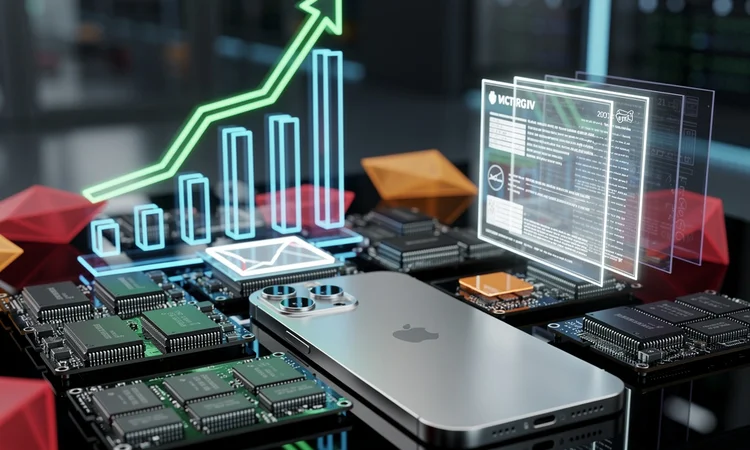
As Apple Inc. prepares to unveil its fiscal first-quarter earnings on January 29, 2026, Wall Street is buzzing with optimism. Investment firm Evercore ISI has issued a bullish note, forecasting that the tech giant will surpass expectations, driven by robust iPhone sales and a resilient supply chain that buffers against escalating memory prices. This prediction comes at a time when the global semiconductor industry is grappling with unprecedented cost pressures, particularly in dynamic random-access memory (DRAM) and NAND flash components essential for smartphones, computers, and other devices.
Evercore’s analysis highlights Apple’s strategic positioning, suggesting the company could report revenue of $140.5 billion for the quarter, exceeding the consensus estimate of $137.4 billion. This upbeat outlook is anchored in strong demand for the iPhone 16 series, which has benefited from a favorable product mix favoring higher-end models. Analysts point to Apple’s ability to maintain pricing stability despite industry-wide headwinds, a testament to its long-term agreements with suppliers that lock in favorable rates.
The firm’s confidence extends to Apple’s gross margins, projected at 46.2%, slightly above the Street’s 45.9% forecast. This resilience is particularly noteworthy given the recent surge in memory prices, which has sent ripples through the tech sector. Competitors like HP Inc. are already feeling the pinch, as reported in a recent article by the Los Angeles Times , where hardware companies are described as facing investing risks from these escalating costs.
Navigating Supply Chain Turbulence
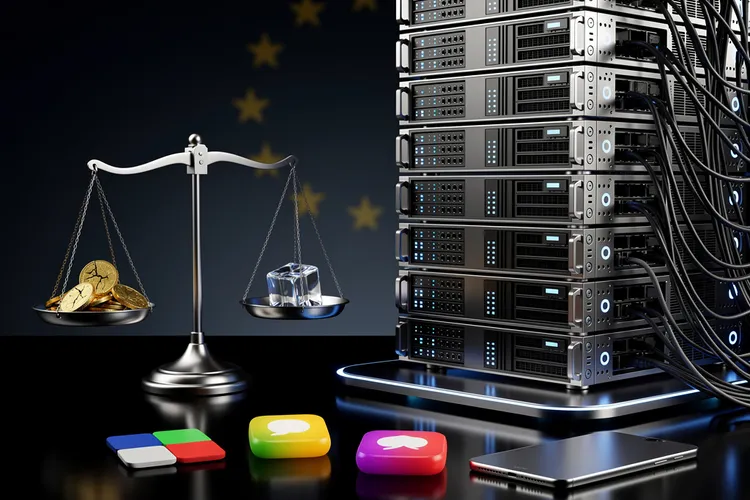
The memory market’s volatility stems from a confluence of factors, including heightened demand for AI-driven applications and production constraints among key suppliers. Major players such as Micron Technology Inc., SK Hynix Inc., and Samsung Electronics Co. are capitalizing on a shortage of high-bandwidth memory (HBM) chips, crucial for advanced computing tasks. A CNBC report details how this scarcity has led to an unprecedented price surge, benefiting these vendors but pressuring device manufacturers.
Apple, however, appears insulated in the near term. Evercore notes that the company’s long-term agreements (LTAs) with suppliers like Kioxia Corp. for NAND flash are set to provide cost stability through the first quarter of 2026. This foresight allows Apple to avoid immediate margin erosion, even as rivals scramble to adjust. Posts on X, formerly Twitter, from industry observers echo this sentiment, with some highlighting Apple’s procurement prowess as a key differentiator in a challenging market.
Yet, the reprieve may be temporary. Analysts warn that as these contracts expire, renegotiations could introduce higher costs. A post by an X user specializing in tech analysis suggests that while Apple has secured inventory at favorable prices, the expiration of deals with Kioxia might force tougher bargaining in early 2026. This potential shift underscores the importance of Apple’s supply chain management, which has historically enabled it to weather such storms better than peers.
iPhone Demand as a Profit Engine
At the heart of Evercore’s optimism is the iPhone’s enduring appeal. The firm anticipates iPhone revenue of $74.5 billion, outpacing the consensus by about $3 billion, fueled by a mix skewed toward premium models like the iPhone 16 Pro and Pro Max. This trend aligns with broader market data indicating consumers’ willingness to pay more for advanced features, including enhanced cameras and AI capabilities.
Apple’s integration of its proprietary Apple Intelligence features is seen as a catalyst for this demand. A MEXC blog analysis delves into how these AI enhancements could trigger a supercycle for iPhone sales, potentially extending into 2026 and beyond. The piece argues that innovations in on-device AI processing are differentiating Apple from competitors, driving upgrades among existing users.
Moreover, the services segment is expected to contribute significantly, with Evercore projecting $26.5 billion in revenue, slightly above expectations. This growth is attributed to expanding ecosystems like Apple Music, iCloud, and the App Store, which provide recurring income streams less susceptible to hardware cost fluctuations. As iPhone sales bolster the installed base, services revenue naturally amplifies, creating a virtuous cycle for Apple’s financial health.
Broader Industry Pressures and Apple’s Edge
The RAM price hike narrative is not isolated to Apple; it’s a sector-wide challenge. A TechRadar article warns that PC prices could escalate further in 2026 due to soaring RAM costs, with even Nintendo monitoring the situation closely for its upcoming Switch 2 console. The piece notes that while some companies might pass on costs to consumers, others like Apple aim to absorb them to maintain market share.
Evercore’s report, as detailed in the initial AppleInsider coverage , emphasizes Apple’s tactical advantage. The firm has placed Apple on its “Tactical Outperform” list, raising its price target to $330 from a previous level, reflecting confidence in the company’s ability to navigate these headwinds. This move is echoed in X posts from financial analysts, who praise Apple’s high-end product mix and limited near-term exposure to memory cost increases.
Comparatively, other tech giants are not faring as well. The Los Angeles Times piece previously mentioned illustrates how firms like HP are under investor scrutiny, with memory expenses posing risks to profitability. Apple’s vertical integration and scale allow it to negotiate better terms, a strategy that has paid dividends in past cycles of component scarcity.
Forecasting Beyond the Quarter
Looking ahead, Evercore anticipates that Apple’s overall revenue for the quarter will set a new record, aligning with CEO Tim Cook’s earlier guidance. This projection is supported by a separate AppleInsider preview of the earnings call, which highlights expectations for record-breaking figures despite seasonal factors.
However, the memory cost issue looms larger for 2026 as a whole. Industry experts on X, including those tracking supply chain dynamics, speculate that without renewed favorable contracts, Apple might face margin pressure later in the year. One such post from a tech commentator suggests that Apple’s LTAs could shield it through mid-2026, but renegotiations with suppliers like Samsung or SK Hynix will be critical.
To mitigate this, Apple may leverage its innovation pipeline. Rumors of the iPhone 17 series, potentially featuring even more advanced AI and memory-intensive capabilities, could justify premium pricing. The MEXC analysis reinforces this, positing that an AI-triggered supercycle might offset cost increases by boosting unit sales and average selling prices.
Investor Sentiment and Market Implications
Wall Street’s reaction to these developments has been positive, with Apple’s stock (AAPL) showing resilience amid broader market volatility. Evercore’s upgraded price target has fueled buying interest, as evidenced by increased trading volumes. A Forex.com preview of Apple’s earnings emphasizes the focus on services growth as iPhone momentum moderates, suggesting a balanced portfolio that cushions against hardware vulnerabilities.
Critics, however, caution against over-optimism. Some X posts question whether Apple’s supply chain advantages are overestimated, pointing to potential hits from the memory surge. A detailed thread from a market analyst argues that while short-term contracts provide a buffer, the broader trend of AI-driven demand could sustain high prices, forcing even Apple to adapt.
Nevertheless, historical precedents favor Apple. During past component shortages, such as the 2021 chip crisis, the company maintained margins through strategic stockpiling and supplier diversification. This pattern suggests that while RAM prices pose a threat, Apple’s operational agility will likely prevail.
Strategic Responses to Component Volatility
In response to these pressures, Apple is reportedly exploring ways to optimize memory usage in its devices. Innovations in system-on-chip (SoC) designs, like the M-series processors for Macs, integrate memory more efficiently, reducing overall dependency on external DRAM. This approach not only cuts costs but also enhances performance, as seen in recent MacBook models.
Furthermore, Apple’s push into custom silicon extends to memory technologies. By developing proprietary solutions, the company could further insulate itself from market fluctuations. Industry insiders on X speculate that upcoming products might feature advanced memory architectures, potentially mitigating the impact of price hikes.
On the services front, Apple’s ecosystem lock-in ensures steady revenue. With over 2 billion active devices worldwide, even modest growth in services can offset hardware margin squeezes. The Forex.com article underscores this, noting that services will be in sharp focus during the earnings call, especially as iPhone growth plateaus.
The Road Ahead for Tech Giants
As the January 29 earnings approach, all eyes are on Apple’s ability to deliver on these projections. Evercore’s analysis paints a picture of a company not just surviving but thriving amid adversity, thanks to its iPhone stronghold and supply chain savvy.
Yet, the memory market’s trajectory remains uncertain. The CNBC report on AI memory shortages indicates that demand from data centers and AI applications will keep prices elevated, challenging all players. For Apple, this means continuous adaptation, perhaps through price adjustments on upgrades or enhanced value propositions.
Ultimately, Apple’s story in 2026 is one of resilience. By leveraging its market position, the company is poised to weather the RAM storm, setting a benchmark for the industry. As investors await the numbers, the tech behemoth’s maneuvers offer lessons in strategic foresight amid global supply chain complexities.






Leave a Reply
Your email address will not be published.