






BMW’s Bold Move: Patented Screws That Could Lock Out DIY Repairs
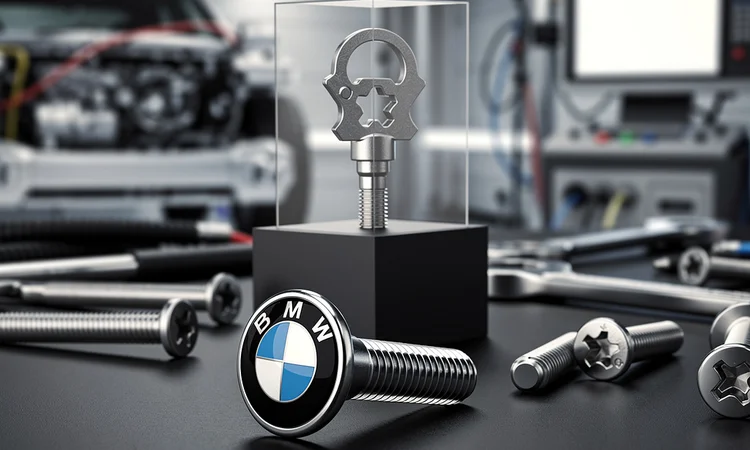
In a move that’s stirring debate across the automotive world, BMW has patented a novel screw design shaped like its iconic roundel logo, potentially restricting vehicle repairs to authorized dealerships. This innovation, detailed in a recent patent filing, features a screw head molded in the distinctive blue-and-white propeller motif that’s synonymous with the German automaker. According to reports, the screw requires a specialized tool to remove, one that would likely be exclusive to BMW’s service network. This development comes at a time when the industry is grappling with issues of repair accessibility, consumer rights, and manufacturer control over aftermarket services.
The patent, as uncovered by automotive enthusiasts and journalists, describes a fastener with a non-standard head that defies conventional tools like Phillips or Torx drivers. Instead, it demands a custom bit matching the roundel’s unique contours, effectively turning a simple screw into a proprietary component. Industry observers note that such designs aren’t entirely new—think of Apple’s pentalobe screws or specialized fasteners in electronics—but applying this to automobiles marks a significant escalation. BMW’s rationale, inferred from the patent language, appears to focus on enhancing brand security and ensuring that only qualified technicians handle critical repairs, potentially reducing liability and maintaining quality standards.
Critics, however, see it as a calculated strategy to funnel more revenue into dealerships by complicating independent repairs. With vehicles becoming increasingly complex, incorporating advanced electronics and software, this screw could be the physical embodiment of a broader trend toward manufacturer dominance in maintenance. For BMW owners, who often pride themselves on the marque’s engineering prowess, this could mean higher costs and longer wait times for even routine fixes, such as accessing battery compartments or engine covers where these screws might be deployed.
The Patent’s Technical Intricacies and Potential Applications
Delving deeper into the patent specifics, the design integrates the BMW roundel not just aesthetically but functionally, with the logo’s quadrants forming recessed areas for tool engagement. This isn’t merely decorative; it’s engineered to provide torque resistance while preventing tampering. Sources indicate that the patent was filed with the United States Patent and Trademark Office, building on BMW’s history of innovative fastening solutions. For instance, the company has previously explored tamper-evident seals, but this takes it a step further by embedding brand identity into hardware.
Potential applications span various vehicle components, from exterior panels to internal modules. Imagine a future BMW model where the hood latch or wheel well covers are secured with these logo-shaped screws, making unauthorized access a deliberate challenge. This aligns with BMW’s push toward modular designs in electric vehicles, where battery packs and high-voltage systems require stringent safety protocols. Yet, it raises questions about compatibility with global repair standards, especially in regions like the European Union, where right-to-repair laws are gaining traction.
From a manufacturing perspective, producing these screws could involve advanced machining or 3D printing techniques, adding to production costs but justifying premium pricing. BMW hasn’t officially commented on implementation timelines, but speculation suggests they could debut in upcoming models like the next-generation 5 Series or iX electric SUV. This move echoes strategies by other luxury brands, though BMW’s branding twist adds a layer of corporate ego, as some commentators have quipped.
Industry Reactions and Consumer Backlash
The revelation has sparked immediate backlash online, with automotive forums and social media buzzing about the implications. On platforms like Reddit, users in communities dedicated to cars have expressed frustration, viewing it as an affront to DIY culture. One thread, garnering hundreds of comments, debates whether this patent signals the end of backyard mechanics for premium vehicles. Enthusiasts argue that it undermines the joy of ownership, turning BMWs into black boxes accessible only to the elite service network.
Mainstream media has piled on, with outlets highlighting the contrast to competitors’ approaches. For example, Autoblog points out that while Mercedes-Benz is simplifying repairs to appeal to a broader market, BMW seems intent on exclusivity. This dichotomy underscores a split in the luxury segment: accessibility versus controlled ecosystems. Independent mechanics, already squeezed by diagnostic software locks, fear this hardware barrier could further erode their business, forcing customers into pricier dealer options.
Consumer advocacy groups are watching closely, drawing parallels to ongoing right-to-repair battles in the tech sector. In the U.S., legislation like the Right to Repair Act aims to mandate access to parts and tools, but automotive exemptions remain a gray area. If BMW rolls out these screws, it could provoke legal challenges, especially if they hinder safety-related repairs or void warranties unnecessarily.
Broader Implications for Automotive Innovation
Beyond the immediate controversy, this patent reflects BMW’s aggressive intellectual property strategy, filing numerous innovations annually to stay ahead in a competitive market. The company, known for its “Ultimate Driving Machine” ethos, has patented everything from gesture-controlled interfaces to adaptive lighting systems. This screw fits into a pattern of blending aesthetics with utility, much like the Hofmeister kink in window designs or the kidney grille’s evolution.
However, it also highlights tensions in the shift toward electrification and autonomy. As cars incorporate more proprietary tech, manufacturers like BMW are fortifying their ecosystems to protect revenue streams from subscriptions, software updates, and certified services. Analysts predict this could boost dealership profits by 15-20% for affected models, based on similar tactics in the industry. Yet, it risks alienating loyal customers who value self-sufficiency, potentially driving them to rivals like Audi or Tesla, where repair philosophies differ.
On the innovation front, supporters argue that such designs enhance security against theft or counterfeit parts. In an era of rising vehicle hacks and supply chain vulnerabilities, a branded screw could serve as a deterrent, ensuring only genuine components are used. BMW’s history of pioneering safety features, from early ABS systems to modern driver-assistance tech, lends credence to this defensive posture.
Global Perspectives and Regulatory Hurdles
Internationally, the patent’s reception varies. In Europe, where BMW is headquartered, stricter consumer protection laws might force modifications or disclosures about repair tools. Reports from South African outlets, such as Newsroom , note concerns among mechanics about accessibility in emerging markets, where dealership networks are sparser. This could exacerbate inequalities, making BMW ownership a luxury confined to urban elites with easy access to authorized service.
In contrast, U.S. coverage emphasizes the free-market angle, with publications like The Autopian labeling it “egocentric” and quintessentially BMW. The sarcasm underscores a cultural divide: American car culture reveres tinkering, from hot rods to custom builds, clashing with BMW’s engineered precision. If implemented, it might spark boycotts or petitions, amplified by social media influencers in the auto space.
Regulatory bodies are likely to scrutinize this. The Federal Trade Commission has ramped up enforcement against anti-competitive repair practices, as seen in cases against companies like John Deere. BMW could face similar probes if the screw is deemed to unreasonably restrict competition, potentially leading to mandates for tool availability or design changes.
Public Sentiment and Social Media Echoes
Social media platforms, particularly X (formerly Twitter), reveal a mix of amusement and outrage. Posts from automotive enthusiasts mock the idea of a “logo screw” as peak corporate branding, with some joking about needing a propeller-shaped wrench. BMW’s own X account hasn’t addressed the patent directly, focusing instead on unrelated innovations like panoramic displays and conceptual designs, but user replies often veer into repair debates.
This sentiment echoes broader discussions on X about automotive ownership in the digital age. Influencers and owners share stories of frustrating dealer experiences, amplifying calls for transparency. While not conclusive, these online conversations suggest growing wariness toward manufacturer lock-ins, potentially influencing BMW’s rollout strategy.
Critics on X draw historical parallels, noting how past BMW innovations, like the 3.0 CSL’s unique badging, celebrated heritage without restricting access. Today’s patent, they argue, twists that legacy into a barrier, prioritizing profits over passion.
Strategic Motivations Behind BMW’s Design
Peering into BMW’s corporate mindset, this patent aligns with its pivot toward sustainable mobility and premium experiences. By controlling repairs, the company can ensure eco-friendly practices, such as proper battery recycling in EVs. It’s a hedge against the rise of third-party parts, which sometimes compromise performance or safety.
Financially, service revenue is a growing pillar for automakers, with BMW reporting steady increases in aftersales. This screw could safeguard that stream amid economic pressures like supply chain disruptions and inflation. Yet, it invites comparisons to controversial moves by peers, such as subscription-based features, which have faced consumer pushback.
For industry insiders, the real intrigue lies in scalability. If successful, could other brands follow with their own branded fasteners? Imagine Mercedes stars or Porsche crests as screw heads— a trend that might redefine vehicle architecture.
Future Outlook and Potential Adaptations
Looking ahead, BMW might mitigate backlash by offering the specialized tools for sale or through partnerships with independent shops. This could transform a point of contention into a revenue opportunity, similar to how it licenses diagnostic software.
Technological advancements might render physical locks obsolete, with digital keys and over-the-air updates taking precedence. Still, the patent serves as a litmus test for consumer tolerance, potentially shaping policies in the evolving automotive sector.
Ultimately, this development encapsulates the tug-of-war between innovation and accessibility, challenging BMW to balance its heritage of driving pleasure with modern business imperatives. As details emerge, stakeholders will watch closely, weighing the screw’s cleverness against its constraints.
Echoes from the Enthusiast Community
Enthusiast publications have dissected the patent’s drawings, revealing nuances like variable thread pitches for added security. Supercar Blondie describes it as a departure from BMW’s performance-focused patents, forcing owners toward dealer dependency. This narrative resonates with gearheads who cherish the marque’s racing pedigree, from Le Mans victories to M-series icons.
Community forums extend the dialogue, with users brainstorming workarounds like 3D-printed tools or aftermarket adapters. Such ingenuity highlights the resilient spirit of auto enthusiasts, potentially pressuring BMW to reconsider exclusivity.
In broader terms, this patent could catalyze industry-wide reforms, pushing for standardized repair protocols that benefit all stakeholders.
Navigating the Road Ahead
As BMW navigates this terrain, collaborations with regulators might yield compromises, ensuring safety without stifling competition. The company’s silence on the matter leaves room for speculation, but historical patterns suggest a pragmatic approach.
For consumers, education on repair rights becomes crucial, empowering informed decisions. Advocacy from groups like the Auto Care Association could amplify voices against restrictive practices.
In the end, BMW’s logo screw patent, while innovative, tests the boundaries of brand loyalty in an era demanding openness.






Leave a Reply
Your email address will not be published.