





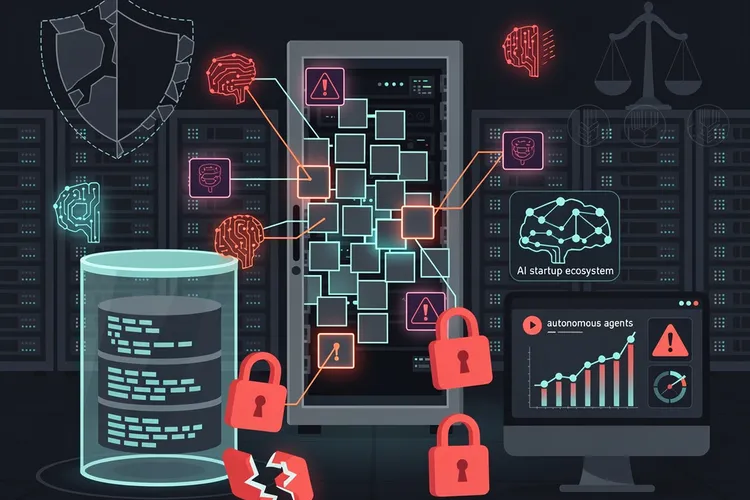
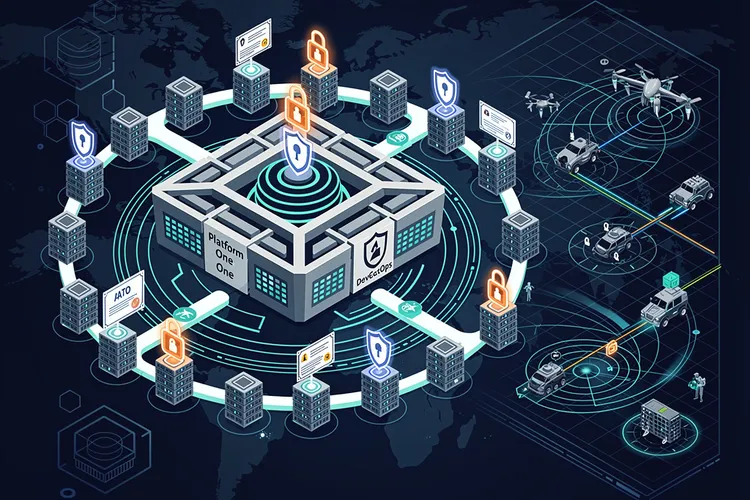



Open-source software underpins the digital economy, powering everything from cloud infrastructure to AI models. Yet, for chief information officers, it has morphed into a vulnerability minefield. Chainguard Inc. promises a fix: rebuilt components from verified source code that deliver zero common vulnerabilities and exposures, or CVEs, slashing engineering toil and supply chain threats. In a recent demonstration, Senior Principal Sales Engineer John Osborne explained how the Seattle-based startup acts as a “safe source for open source,” rebuilding images hourly to incorporate fixes instantly.
“Chainguard is about four years old. We are the safe source for open source. Essentially, instead of giving you more security notifications and alerts telling you what’s broken, we fix it for you,” Osborne told CIO.com . The company's approach addresses two core pains: CVE overload, where teams waste 30-40% of time triaging alerts in what Osborne calls “CVE theater,” and malicious packages inserted via compromised maintainers.
Traditional scanning tools falter because even updates resolve just 3-7% of issues, many lacking patches. Chainguard's catalog spans over 1,400 container images, 600,000-700,000 libraries, and virtual machines, all rebuilt from 5,000 repositories hourly. Scans return clean results, with software bills of materials (SBOMs) for transparency.
Escaping the CVE Triage Trap
Engineering leaders report reclaiming hours monthly. Chainguard claims a 97.6% CVE reduction versus open-source equivalents, per its LinkedIn profile . Customers like Dexcom and government contractors praise seamless integration. “In a matter of months, we went from an ever-increasing number of CVEs to nearly zero critical vulnerabilities,” said Tucker Miles, Senior Cloud Security Engineer at Dexcom, as cited on Chainguard's site .
The firm's Malcontent tool detects 15,000 privilege escalation patterns, flagging CI/CD compromises like GitHub Actions tampering. In demos, it verifies builds match source, erasing malicious findings. For CIOs in banks and agencies, this centralizes standards, minimizing friction.
Chainguard's growth underscores demand. Backed by Sequoia and General Catalyst, it raised $280 million in October 2025 growth financing, valuing it at $3.5 billion, according to GeekWire . Total funding nears $900 million, fueling expansion into VMs and AI/ML workloads.
Longtail Risks in Obscure Dependencies
Chainguard's “State of Trusted Open Source” report reveals 98% of remediated CVEs lurk outside top-20 projects—the “longtail” where patching strains teams. Analyzing 1,800 images and 10,100 vulnerability instances, it found critical CVEs fixed in under 20 hours on average, per The Hacker News . Python dominates production stacks, driven by AI, amplifying exposure.
This disconnect—teams prioritizing popular tools while risk hides elsewhere—demands breadth. “Popularity doesn't map to risk,” the report states. Compliance like FIPS, used by 44% of customers, accelerates adoption amid EU Cyber Resilience Act pressures.
Tools like Grype integrate natively, supporting scanners from Anchore and Prisma Cloud. Partnerships, including with Anchore announced in September 2025, enhance supply chain defenses, as noted in PR Newswire .
From Containers to Enterprise-Scale Defense
Founded in 2021 by ex-Google engineers, Chainguard started with containers but now covers libraries and VMs. CEO Dan Lorenc emphasizes rebuilding from scratch: “We're rebuilding all of that open source from scratch ourselves and dealing with vulnerabilities at that core level,” he told BankInfoSecurity .
CIOs gain from zero switching costs—update Helm charts to Chainguard images for identical behavior minus CVEs. Free tiers draw trials, with proofs-of-value tying into CI pipelines. Regulated sectors report months saved on audits, per testimonials on Chainguard.dev .
Emerging threats like XZ Utils underscore urgency. Chainguard's tamper-proof builds and OSV advisory feeds provide precise metadata, aiding prioritization, as detailed in its blog .
Funding Fuels Broader Open Source Safeguards
The Series D from General Catalyst's Customer Value Fund prioritizes go-to-market without dilution, per PR Newswire . Customers including Anduril, Snowflake, and Wiz saved 288,000 engineering hours collectively.
“Chainguard has brought an essential layer of security to the open source consumption model,” said investor Hemant Taneja. Expansion targets AI, where Python libraries face malware risks mitigated by Chainguard Libraries, now generally available.
Industry voices echo validation. At KubeCon, demos like CVE guessing games highlighted upstream flaws. As SiliconANGLE reported from RSAC, “We feel like we can solve a security problem and help companies go faster.”
Real-World Wins and Future Horizons
Hewlett Packard Enterprise and Canva deploy Chainguard for compliance. “Our partnership with Chainguard enabled us to meet or exceed the rigorous standards required in highly regulated industries,” one partner stated on Chainguard.dev . Platform teams save weeks monthly on hardening.
Critics question scalability, but data counters: 100,000+ daily artifacts from Chainguard OS and its factory. Reddit threads note pre-built images sidestep custom toil, with employees affirming zero-CVE claims via minimalism and rapid patches.
As open source evolves, Chainguard positions as infrastructure. Its EmeritOSS initiative sustains mature projects, per recent X buzz from TechDay UK . For CIOs, it shifts from reactive patching to proactive trust, aligning security with velocity in a threat-saturated era.






Leave a Reply
Your email address will not be published.