








The consulting sector enters 2026 amid profound shifts, propelled by artificial intelligence adoption, client demands for specialized expertise and economic pressures squeezing traditional models. Global management consulting revenues are projected to hit $374.67 billion this year, growing at a 4.7% compound annual rate toward $471.39 billion by 2031, according to Mordor Intelligence . Yet beneath the expansion lies turbulence: laid-off professionals flood the market, boutiques challenge giants, and AI threatens to automate routine tasks while creating new high-value niches.
Big Four firms like Deloitte, EY, KPMG and PwC face scrutiny as AI erodes their ‘golden era,’ with the Australian Financial Review warning that generative AI could upend management consulting. PwC’s revenue growth slowed in fiscal 2025 amid margin pressures, per NMS Consulting . Clients, recalibrating budgets post-2025 layoffs, seek measurable outcomes over vague strategies, fueling demand for agile, tech-infused services.
From Generalists to Niche Masters
Clients increasingly shun broad generalists for specialists offering deep sector knowledge, regulatory savvy and ESG compliance. ‘Clients prefer boutique firms offering regulatory expertise, sector specialization, and competitive pricing, driving growth in niche consulting segments,’ states StartUs Insights . Independent consultants swelled to 27.7 million globally in 2024, up 6.5%, filling gaps in areas like healthcare tech and climate strategy.
Boutiques deliver faster turnarounds and sharper insights, as noted in Inc. . Accenture’s acquisition of Insight Sourcing Group bolsters cloud sourcing expertise, exemplifying how majors adapt by snapping up niche players. Startups like Wynther, focusing on food safety, and Sympact in ESG for mining, illustrate the precision smaller firms bring.
In hyper-specialized fields, demand surges: blockchain consulting to $32.5 billion by 2033 at 24.5% CAGR, per StartUs Insights . Clients in cybersecurity and digital banking prioritize consultants with ‘acute industry knowledge,’ as Greaux Consulting observes, diminishing generalist appeal.
AI’s Double-Edged Disruption
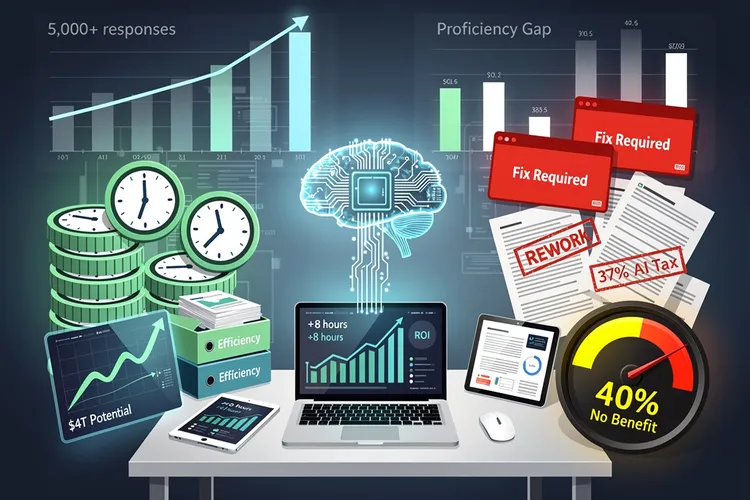
Generative AI dominates, with McKinsey’s Lilli platform reclaiming 30% of consultants’ research time and shifting a quarter of engagements to outcome-based models, according to StartUs Insights . PwC’s CEO survey reveals 56% of executives saw efficiency gains, 34% profitability boosts. Yet McKinsey’s 2025 report shows 88% of companies ‘using AI’ but over 80% with zero bottom-line impact, per X discussions echoing industry frustration.
Firms like EY deploy EY.ai with Nvidia for tax and risk agents; Deloitte integrates IoT digital twins to cut climate losses by AUD 705 billion yearly. Gartner forecasts worldwide IT spending at $6.08 trillion in 2026, up 9.8%, spurring AI monetization via short sprints and outcome pricing, as NMS Consulting predicts. Digital transformation consulting balloons from $268.46 billion in 2025 to $510.50 billion by 2034.
Caution prevails: 51% report AI inaccuracies, 32% anticipate layoffs. A PwC data scientist, after winning an AI hackathon, was laid off hours later—his agents designed to cut 30% of teams, highlighting the ‘AI meat grinder,’ as shared on X by @HedgieMarkets.
Fractional Flexibility Meets Crowded Field
2026 brings intensified competition as 2025 layoffs push professionals into consulting, crowding the space while client budgets tighten, warns Inc. . Yet opportunity blooms in fractional roles: part-time CFOs, CMOs for SMEs seeking C-suite access sans full salaries, per Greaux Consulting .
‘A growing demand for business consulting services for small businesses…provides small emerging companies access to skilled, high-level experts,’ the firm notes. Agile models like subscription platforms and virtual toolkits democratize advice, blending tradition with digital for affordability.
Recruiting adapts: full-time and internships accelerate, but salaries stay flat for a third year amid AI efficiencies, says Management Consulted . Early applications rule; AI screenings, video games and creative cases replace old formats. Internal strategy groups at Fortune 1000s lure talent with better lifestyles.
Sustainability and Regulation Imperatives
ESG assets under management top $40 trillion by 2030; green bonds hit $700 billion in 2024. Consultants craft decarbonization roadmaps—McKinsey’s Catalyst Zero for AGCO, Starbucks slashing energy/water 30% via Greener Stores, saving $60 million yearly, per StartUs Insights .
Regulatory consulting grows from $19.2 billion in 2025 to $33.7 billion by 2034. IBM cut a bank’s AML false positives 70%. Cyber threats amplify needs in data privacy, with firms prioritizing compliance amid cloud/AI shifts, as Greaux Consulting highlights.
Ethical scrutiny intensifies under EU AI Act and U.S. laws, embedding governance in operations.
Workforce and Delivery Evolution
Skills-based hiring expands talent pools 8.2x for AI roles, boosting retention 34%, per LinkedIn via StartUs Insights . PwC’s $1 billion AI recruitment push, Accenture’s apprenticeships signal upskilling in AI, ESG.
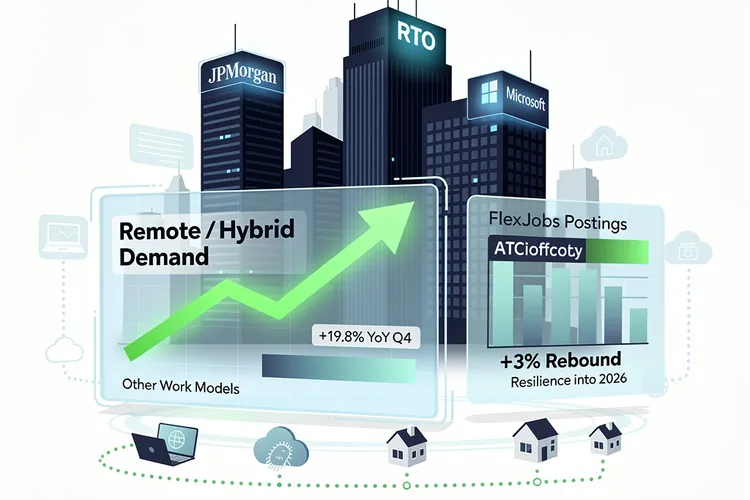
Agile delivery surges to $41.8 billion by 2033 at 12.1% CAGR, with 75.4% success rates. Hybrid remote/decentralized models cut overheads; blockchain enables global expertise, as startups like Cryptide demonstrate.
Human-centered shifts prioritize well-being, culture amid tech changes, blending psychology with analytics for retention.
Regional and Model Innovations
Southeast Asia’s growth spurs regional expertise in tourism, logistics. Nearshoring, consolidation rise with genAI, per NMS Consulting . New models fuse consulting with platforms for SMEs.
Firms thriving in 2026 embed AI, specialize, price by outcomes and prove ROI. As Aaron Levie noted on X, AI agents enable startups to re-engineer processes from scratch, outpacing incumbents. Clients demand implementation, not theater—boutiques and agile players poised to capture value in this transformed arena.






Leave a Reply
Your email address will not be published.