







Urban Thirst: The Hidden Crisis Parched Megacities Face in 2026
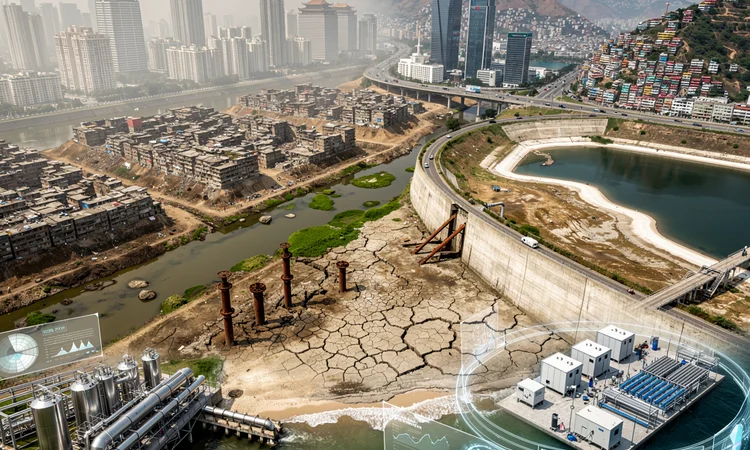
In the sprawling metropolises that drive global economies, a silent crisis is unfolding beneath the surface. Water stress, where demand perilously outstrips supply, now grips half of the world’s 100 largest cities, according to a recent analysis. This revelation comes at a time when urban populations continue to swell, putting unprecedented pressure on already strained resources. Cities like Beijing, Delhi, Los Angeles, and Rio de Janeiro are among the hardest hit, with experts warning that without swift interventions, these urban centers could face catastrophic shortages.
The analysis, detailed in a report highlighted by The Guardian , draws on data from various global monitoring tools to assess water availability against consumption patterns. It classifies areas as high stress when annual water withdrawals exceed 40% of available supply, a threshold that signals imminent risks. For industry insiders in water management, urban planning, and sustainability sectors, this isn’t just an environmental footnote—it’s a harbinger of economic disruptions, from halted industrial operations to skyrocketing costs for desalination and imports.
Delving deeper, the report identifies patterns tied to geography and human activity. Arid regions in the Middle East and North Africa dominate the list, but surprisingly, coastal giants like Los Angeles also feature prominently due to over-reliance on distant aquifers and erratic rainfall influenced by climate change. In Beijing, rapid industrialization has depleted groundwater reserves, while Delhi contends with polluted rivers and inefficient distribution systems. These examples underscore a broader trend: megacities, home to billions, are increasingly vulnerable as climate variability intensifies droughts and alters precipitation.
Rising Demand Meets Dwindling Supplies
To understand the scale, consider the metrics used in such analyses. Tools like the World Resources Institute’s Aqueduct platform, as referenced in World Resources Institute data from 2023 updated for current projections, measure baseline water stress by comparing total water withdrawals to renewable supplies. In high-stress zones, this ratio often approaches or exceeds 80%, meaning cities are essentially living on borrowed water. For 2026, projections indicate that 50 of the top 100 cities fall into this category, a stark increase from a decade ago.
This isn’t isolated to developing nations. In the United States, Los Angeles exemplifies how even advanced infrastructure can’t fully insulate against nature’s limits. The city’s dependence on the Colorado River, shared among seven states and Mexico, has led to legal battles and rationing plans. Similarly, Rio de Janeiro’s challenges stem from deforestation in the Amazon basin, which disrupts rainfall patterns feeding its reservoirs. Industry experts note that these issues compound with population growth—by 2030, urban dwellers are expected to number 5 billion globally, amplifying demand for water in agriculture, industry, and households.
Social media platforms like X (formerly Twitter) buzz with real-time sentiments on this topic. Posts from users highlight immediate concerns, such as Mexico City’s potential dry-up this summer or Bogotá’s recent rationing measures. One thread discusses Bangalore’s proactive 50-year water plan amid India’s broader shortages, reflecting grassroots awareness. These online discussions, while anecdotal, mirror expert analyses by illustrating public anxiety and calls for innovation in water recycling and conservation.
Global Patterns and Vulnerable Hotspots
Expanding the view, a Statista chart projecting water stress to 2050 shows that by mid-century, regions like the Middle East could see ratios exceeding 100%, effectively depleting supplies faster than they replenish. For 2026, cities in India, China, and the U.S. top the risk lists. Delhi, with its 30 million residents, withdraws water at rates that leave little buffer for dry spells, exacerbated by monsoon irregularities.
In contrast, some cities are classified as medium-high stress, offering lessons in resilience. London, for instance, faces high stress due to its reliance on the Thames and aging pipes, yet investments in leak detection and rainwater harvesting provide models for mitigation. Bangkok and Jakarta grapple with subsidence from over-extraction, causing sinking land and heightened flood risks during wet seasons—a paradoxical twist in water management.
The United Nations has amplified these warnings through a recent report declaring an era of “global water bankruptcy.” As covered in The Conversation , this metaphor captures the irreversible overuse of aquifers and rivers, where replenishment lags far behind extraction. Lead authors emphasize that while glaciers and wetlands can’t be rebuilt overnight, policy shifts toward sustainable agriculture and urban green infrastructure could stem further losses.
Economic Ripples and Industry Responses
For businesses, the implications are profound. Water scarcity disrupts supply chains, particularly in sectors like semiconductors and beverages that require vast quantities. In Beijing, tech hubs face potential shutdowns if reservoirs dip too low, prompting companies to explore on-site treatment plants. A Reuters piece on the UN report notes that billions are at risk, with economic losses projected in the trillions if unchecked.
Industry insiders are turning to advanced technologies for solutions. Desalination, once cost-prohibitive, is scaling up in places like Saudi Arabia’s megacities, though energy demands raise carbon concerns. Smart metering and AI-driven leak detection, as piloted in Los Angeles, offer data-driven efficiencies. Yet, experts caution that tech alone isn’t enough; regulatory frameworks must enforce equitable distribution to prevent social unrest, as seen in past water riots in Cape Town.
X posts from environmental advocates underscore this urgency, with users sharing infographics on countries like India and Libya facing extreme stress by 2050. These digital narratives often reference historical “Day Zero” scares, like those in Nairobi or Kabul, urging global cooperation. Such sentiment aligns with calls from organizations like the World Resources Institute for integrated water management across borders.
Policy Challenges and International Efforts
Navigating this requires multifaceted policies. Governments in stressed cities are implementing rationing and pricing reforms to curb waste. Rio de Janeiro’s efforts include reforestation to boost watershed health, while Delhi invests in wastewater recycling. However, political hurdles abound—water rights disputes between nations, such as those over the Nile or Indus, complicate urban supplies.
A Bloomberg analysis of the UN findings stresses that “stress and scarcity” understate the crisis; it’s a full-blown depletion race. For insiders, this means advocating for incentives like subsidies for efficient irrigation in agriculture, which consumes 70% of global freshwater.
Emerging from these discussions is a push for resilience metrics in urban planning. Cities like Singapore, often cited as a low-stress outlier, integrate rainwater capture and NEWater recycling into their core strategies, providing blueprints for others. Yet, as The Guardian’s report points out, without global emission cuts to stabilize climates, even these measures may fall short.
Innovations on the Horizon
Innovation hubs are buzzing with potential fixes. Biotech firms develop drought-resistant crops to ease agricultural demands, while startups in California pioneer atmospheric water generators that pull moisture from air. In China, Beijing’s “sponge city” initiatives absorb rainfall to recharge aquifers, a concept gaining traction worldwide.
The Common Dreams coverage of the UN report highlights actionable steps: protecting remaining natural capital through conservation easements and international treaties. Industry leaders in water utilities are exploring public-private partnerships to fund infrastructure upgrades, essential for megacities where aging pipes lose up to 30% of supply.
On X, posts from climate activists amplify these ideas, sharing threads on how cities like Johannesburg manage trucked deliveries amid shortages. This public discourse pressures policymakers, fostering a narrative of urgency that could drive investment in sustainable tech.
Pathways to Sustainability
As we peer into the future, the interplay of climate, population, and policy will define outcomes. Projections from World Population Review, as seen in their 2026 rankings , list nations like Qatar and Israel as extremely stressed, yet their adaptive strategies—desalination and tech innovation—offer hope.
For Los Angeles and peers, diversifying sources beyond rivers to include ocean desalination and recycled water is key. The Guardian analysis reveals that while 50 cities are in high stress, proactive ones like Tokyo maintain stability through rigorous conservation laws.
Ultimately, this crisis demands a rethinking of urban water systems. By integrating lessons from stressed metropolises and leveraging global data, stakeholders can forge resilient frameworks. As the UN report via ABC News warns, the era of water bankruptcy is here, but collective action could still turn the tide.
Voices from the Ground and Forward Outlook
Ground-level impacts are vivid in accounts from affected residents. In Delhi, informal settlements endure long queues for tankers, while Rio’s favelas face intermittent supplies. These human stories, echoed in X discussions about South Delhi’s rationing, highlight equity issues in water access.
Forward-thinking, international forums like the UN Water Conference are pivotal for sharing best practices. Bloomberg’s insights suggest that investing in nature-based solutions, such as wetland restoration, could yield high returns by naturally filtering and storing water.
In essence, the water stress afflicting half the world’s largest cities is a call to action for industries to innovate and collaborate. With data from sources like Statista guiding strategies, the path ahead involves balancing growth with sustainability to quench the thirst of tomorrow’s urban giants.






Leave a Reply
Your email address will not be published.