


Intel Corp., once the undisputed king of semiconductors, is grappling with a stubborn sales downturn even as the artificial intelligence boom reshapes the technology sector. Recent earnings reports reveal a company caught between surging demand for AI-related products and persistent operational hurdles that are capping its ability to capitalize on the trend. Under new CEO Lip-Bu Tan, Intel is pushing a turnaround strategy focused on AI chips and data centers, but supply constraints and margin pressures continue to weigh heavily on its performance.
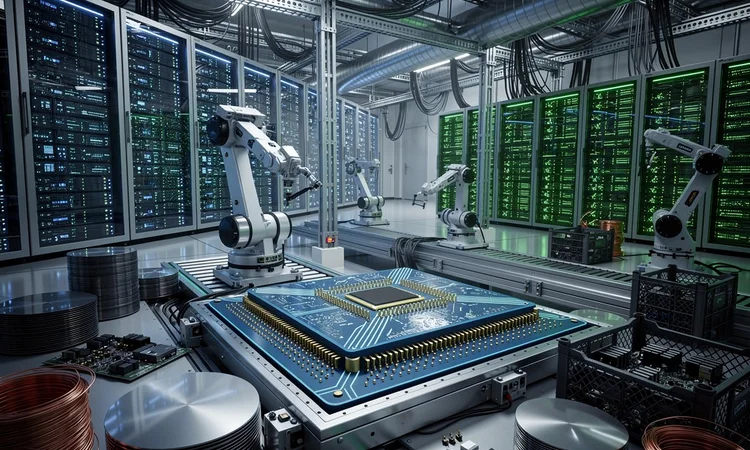
The latest quarterly results, released on January 22, 2026, showed Intel forecasting first-quarter revenue and profit below market expectations, sending shares tumbling. Despite strong demand for server chips used in AI data centers, the company cited manufacturing issues and inventory depletions as key barriers. This comes at a time when big tech firms are ramping up investments in AI infrastructure, creating what analysts describe as a structural shortage in server CPUs.
Investors had been buoyed by optimism surrounding Tan’s leadership, with shares surging 145% over the past year to a two-year high before the recent drop. Brokerages like those tracked by Reuters have raised price targets, signaling confidence in Intel’s pivot toward AI. Yet, the soft forecast underscores the limits of AI’s spillover benefits for a company still recovering from years of missteps in manufacturing and product focus.
Turnaround Efforts Under Scrutiny
Lip-Bu Tan, who took the helm amid a period of turmoil, has overhauled chipmaking operations and streamlined management to address what he called a bloated structure. According to a report from Reuters , external investments and rapid data center buildouts are fueling demand for Intel’s traditional server chips, with expectations of a more than 30% jump in its data center business to $4.43 billion for the December quarter.
Analysts point to the AI-driven demand as a potential catalyst. Posts on X, formerly Twitter, from industry observers like Ben Bajarin highlight how CPU demand is “off the charts,” with Intel likely constrained through 2026 due to capacity limits. This echoes sentiments in a IndexBox analysis, which notes the stock’s rally tied to Tan’s AI chip strategy and U.S. manufacturing investments.
However, execution remains a challenge. Intel’s warning on yields falling below expectations and depleted inventories in Q4 paints a picture of a company struggling to scale production fast enough. As reported in CTech , while server chip demand is strong, supply issues and margin pressures are persistent, limiting the upside from the AI surge.
AI Market Dynamics and Intel’s Position
The broader AI market is exploding, with projections from Grand View Research estimating growth from $390.91 billion in 2025 to $3,497.26 billion by 2033, at a compound annual growth rate of 30.6%. This expansion is driven by advancements in machine learning, natural language processing, and data center infrastructure, areas where Intel aims to regain footing.
Yet, Intel’s sales slump persists, as detailed in a briefing from The Information , which notes that despite AI growth, overall revenue forecasts disappoint. The company is betting on products like Sierra Forest and Granite Rapids to capture market share in server CPUs, but competition from Nvidia and AMD intensifies the pressure.
Insights from X posts, such as those discussing Nvidia’s push into PC CPUs and AI servers, underscore the competitive environment. One post from Dylan Patel in late 2024 warned of Intel’s cultural rot and flawed product focus, suggesting that without a strong foundry business, the company risks being sidelined. This aligns with UBS expectations cited in another X update, forecasting AI chip sales to rise 46% year-over-year to $245 billion in 2025.
Supply Chain Strains in a Booming Sector
Intel’s challenges are emblematic of broader supply chain strains in the semiconductor industry, exacerbated by geopolitical tensions and surging demand. A zerohedge post on X from 2024 highlighted China’s threats against Japan over chipmaking equipment restrictions, illustrating how U.S.-led efforts to curb advanced tech exports add complexity to global supply lines.
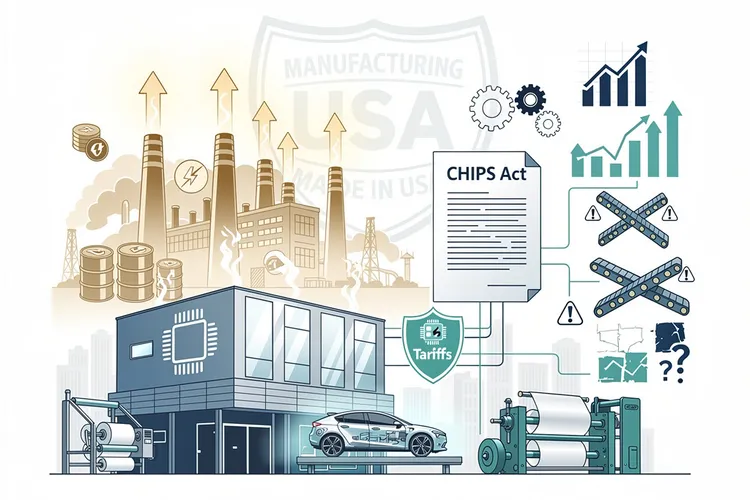
Domestically, Intel has secured significant U.S. government backing, including an $8 billion bet on its turnaround, as mentioned in StockStorm’s X update. This funding aims to bolster U.S. manufacturing, but as Tan himself noted, execution is the ongoing hurdle. The company’s inability to meet demand due to manufacturing yields has led to sell-outs for 2026 production, per discussions on X from users like F22, who point to similar dynamics in server markets.
Moreover, the shift toward AI is reshaping priorities. An X post from GameGPU warns of a 7-9% drop in the PC market in 2026 as tech giants pivot from gaming to AI, potentially hiking memory prices and further straining Intel’s consumer segments. This contrasts with the data center boom, where Intel’s alliances, such as a $5 billion investment tie-up with Nvidia focused on AI servers, could provide a buffer.
Strategic Shifts and Investor Sentiment
Under Tan’s guidance, Intel is tightening its focus on AI and data centers, with over 10 brokerages raising ratings in recent months, as per Electronics For You . This optimism stems from anticipated double-digit price hikes in server CPUs for 2026, according to Gabelli Funds analyst Ryuta Makino quoted in Reuters.
Investor sentiment, however, took a hit post-earnings, with shares slumping as the soft forecast highlighted AI’s limited immediate spillover. A IBM report on 2026 tech trends emphasizes quantum and security advancements alongside AI, areas where Intel must innovate to stay relevant.
X chatter from Wall Street analysts notes agentic AI driving server CPU shortages, with cloud providers like Meta and Google upping 2026 forecasts. This creates complementary demand with Nvidia’s GPUs, potentially benefiting Intel if it can resolve supply issues.
Competitive Pressures and Future Outlook
Competition remains fierce. Nvidia’s dominance in GPUs and its forays into CPUs, as discussed in Shay Boloor’s X thread, signal major implications for semiconductors. Microsoft’s $80 billion capex for FY 2025, nearly double the previous year, underscores sustained AI investments that could lift players like Intel, but only if they deliver.
Intel’s data center revenue is projected to grow, yet overall sales forecasts lag. The company’s Q4 results topped some estimates, per FinancialContent , but the emphasis is on long-term growth amid AI cycles.
Looking ahead, Intel’s ability to scale foundry operations and improve yields will be critical. Tan’s reforms, including management streamlining, aim to position the company for the AI era, but historical missteps—like delays in process nodes—linger as risks.
Balancing AI Hype with Operational Realities
The AI boom offers Intel a lifeline, but translating demand into profits requires overcoming entrenched challenges. As big tech builds out data centers, Intel’s server chips are in high demand, yet supply bottlenecks persist.
Analysts like those at XTB, in their preview of Intel’s Q4 2025 results, stress that this quarter will test Tan’s strategy. With shares jumping 11% to highs since early 2022 ahead of earnings, per CNBC , market volatility reflects the high stakes.
Ultimately, Intel’s path forward hinges on execution. If Tan can navigate these hurdles, the company could reclaim its stature; otherwise, the sales slump may deepen despite AI’s promise.
Innovation Imperatives in a Shifting Market
Beyond immediate earnings, Intel must innovate in emerging areas. The IBM trends report discusses AI’s intersection with quantum computing, where Intel’s investments could yield dividends.
X posts from 2024, like Beth Kindig’s on AI chip sales growth, highlight opportunities in a market set to expand rapidly. For Intel, this means not just catching up in AI but leading in integrated solutions.
Geopolitical factors, such as U.S. subsidies and export controls, will shape outcomes. With China’s retaliatory threats, as noted in zerohedge updates, Intel’s U.S.-centric manufacturing push gains strategic importance.
Sustaining Momentum Amid Uncertainty
As 2026 unfolds, Intel’s performance will be closely watched. The data center surge, driven by AI, positions the company for recovery, but margins and supply must improve.
Investor confidence, bolstered by government and Nvidia investments, provides a foundation. Yet, as CTech reports, execution pressures remain.
In this high-stakes environment, Intel’s revival story is far from written, balancing AI-driven optimism against operational grit.






Leave a Reply
Your email address will not be published.