




In the heart of the semiconductor industry, a persistent shortage of memory chips is reshaping how companies operate, innovate, and compete. Micron Technology, one of the world’s leading memory manufacturers, has issued stark warnings that the current supply constraints in DRAM and NAND flash memory are not fleeting disruptions but a prolonged reality extending well beyond 2026. This assessment comes amid surging demand driven by artificial intelligence applications, which are voraciously consuming high-bandwidth memory (HBM) and other advanced components. As CEO Sanjay Mehrotra articulated during a recent earnings call, “tight industry conditions” will persist, forcing difficult choices across sectors from consumer electronics to enterprise computing.
The roots of this crisis trace back to a confluence of factors, including production cuts initiated by major players like Micron, Samsung, and SK Hynix in response to a market downturn in 2022-2023. These cuts were meant to stabilize prices after a glut, but the explosive growth in AI infrastructure caught the industry off guard. Now, with AI data centers demanding unprecedented volumes of specialized memory, manufacturers are reallocating capacity away from consumer-grade products, exacerbating shortages in everyday devices like smartphones and PCs. According to reports from The Verge , Mehrotra emphasized that the imbalance is structural, not cyclical, and could linger into 2028 or later.
This shift has profound implications for the global economy, where memory chips underpin everything from personal gadgets to critical infrastructure. Analysts at IDC have projected that rising costs for DRAM and NAND will threaten pricing strategies and specifications in the smartphone and PC markets throughout 2026, potentially stunting growth in these areas. The shortage isn’t just about quantity; it’s about the type of memory being prioritized. High-margin HBM for AI servers is taking precedence, leaving less capacity for standard DDR modules used in laptops and desktops.
The AI Boom’s Insatiable Appetite
The surge in AI technologies has transformed memory from a commodity into a strategic asset. Companies like Nvidia and AMD are pushing local AI capabilities in consumer devices, which require more robust memory configurations. As detailed in a piece from PC Gamer , Micron’s leadership argues that “more memory is essential” for delivering seamless AI experiences, yet supply chains are struggling to keep pace. This has led to skyrocketing prices, with some estimates suggesting DRAM costs could double in the coming years.
Micron’s decision to exit the consumer RAM market, including discontinuing its Crucial brand, underscores the severity. In an earnings call covered by Tom’s Hardware , Mehrotra revealed that even after this pivot, the company can only fulfill half to two-thirds of overall demand. This move allows Micron to focus on high-value segments like AI and data centers, but it leaves a void in the consumer space, prompting competitors to scramble.
Beyond Micron, the industry-wide response has been cautious. SK Hynix is investing over $500 billion in new fabrication plants, with the first expected online by 2027, but scaling up production for advanced nodes is a complex, time-intensive process. Posts on X from industry observers highlight the sentiment: users are expressing frustration over persistent shortages, with some comparing it to past crises like the COVID-era chip famine or cryptocurrency mining booms, but noting this one feels more entrenched due to AI’s unrelenting growth.
Ripple Effects on Consumer Markets
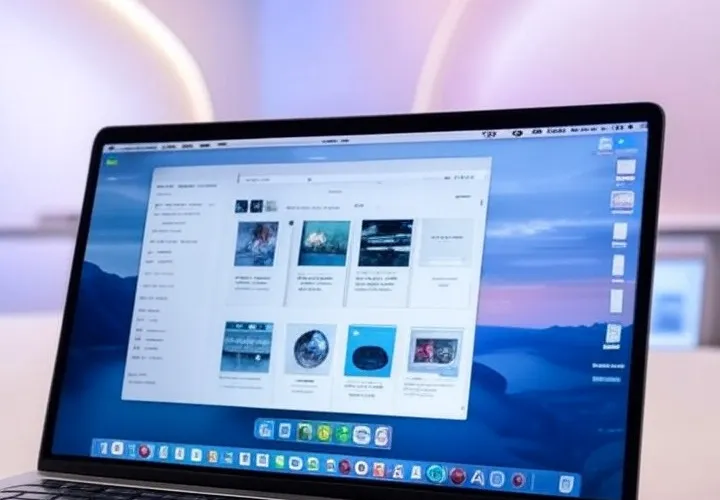
For everyday consumers, the memory shortage translates to higher prices and compromised features in new devices. Smartphones that once boasted ample RAM for multitasking may see scaled-back specs to manage costs, as outlined in an IDC analysis shared via their resource center blog . PC manufacturers are similarly affected, with potential delays in product launches or inflated retail prices that could dampen sales in a post-pandemic market still recovering.
The enterprise sector faces its own challenges. Data centers, the backbone of cloud computing and AI training, are in a bidding war for limited HBM supplies. A recent CNBC report noted that AI memory is essentially sold out, benefiting vendors like Micron, SK Hynix, and Samsung, who control nearly the entire market. This oligopoly amplifies the shortage’s impact, as these firms prioritize lucrative contracts with tech giants over broader distribution.
Innovative solutions are emerging to mitigate the crunch. A feature in WIRED explores daring attempts by startups and established players to develop alternative memory technologies or optimize existing supplies through software efficiencies. For instance, some companies are experimenting with hybrid memory architectures that blend traditional DRAM with emerging non-volatile options to stretch limited resources further.
Industry Strategies and Long-Term Bets
Micron’s executives have been candid about the timeline for relief. In an exclusive interview with Wccftech , a vice president clarified misconceptions, stressing that massive investments in new fabs won’t yield results until at least 2028 due to technological complexities and yield optimization. This perspective aligns with Wikipedia’s overview of the 2024–2026 global memory supply shortage, which attributes the crisis to AI-driven demand shifts rather than transient disruptions.
On X, recent posts from analysts and traders reflect bullish sentiments on Micron’s stock, with one noting that the company has secured contracts for its entire 2026 output, signaling sustained revenue growth despite the shortages. However, this optimism is tempered by warnings of volatility; while revenues soar in high-margin areas, consumer-facing segments suffer, potentially leading to market consolidation.
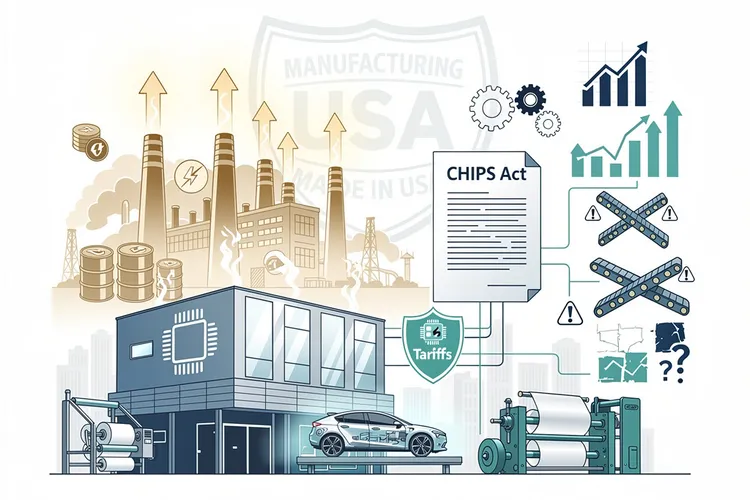
Governments and regulators are taking notice. In the U.S., subsidies under the CHIPS Act aim to bolster domestic production, but building new facilities takes years. Internationally, tensions over supply chains—exacerbated by geopolitical factors like U.S.-China trade restrictions—add another layer of uncertainty. Micron, with operations spanning Asia and the U.S., must navigate these dynamics while ramping up capacity.
Economic and Technological Ramifications
The broader economic fallout could be significant. An analysis from IntuitionLabs delves into how AI’s demand for HBM is straining overall DRAM supplies, leading to surging prices across PC, gaming, and server segments. This could slow innovation in non-AI areas, as resources are funneled toward the hottest trend.
For gamers and power users, the shortage means premium pricing for high-performance RAM, echoing complaints in X threads where enthusiasts decry the “worse than crypto” scenario. PC Gamer’s coverage reinforces this, pointing out that while AI benefits from abundant memory, gamers might face extended wait times for affordable upgrades.
Looking ahead, industry insiders speculate on potential breakthroughs. Advances in 3D stacking and EUV lithography could eventually increase yields, but as Micron’s leadership reiterated in a Tom’s Hardware update, new capacity won’t come online until 2028 at the earliest. This delay underscores the need for diversified supply chains and perhaps a reevaluation of AI’s memory-intensive models.
Navigating the Path Forward
Amid these challenges, some companies are adapting creatively. Digital Trends reported in their article on Micron’s outlook that while the crisis persists, it also spurs innovation, such as software optimizations to reduce memory footprints in AI applications.
Consumer advocacy groups are calling for transparency in pricing, but with memory makers enjoying record profits, change may be slow. X posts from tech influencers highlight a divide: some see opportunity in stockpiling now, while others predict a market correction if AI hype cools.
Ultimately, the memory shortage serves as a litmus test for the semiconductor industry’s resilience. As Micron and its peers invest billions in expansion, the coming years will reveal whether these efforts can balance the scales between AI’s ambitions and the world’s broader computing needs. For now, the crunch endures, compelling stakeholders to rethink strategies in an era where memory is no longer abundant but a precious commodity.






Leave a Reply
Your email address will not be published.