





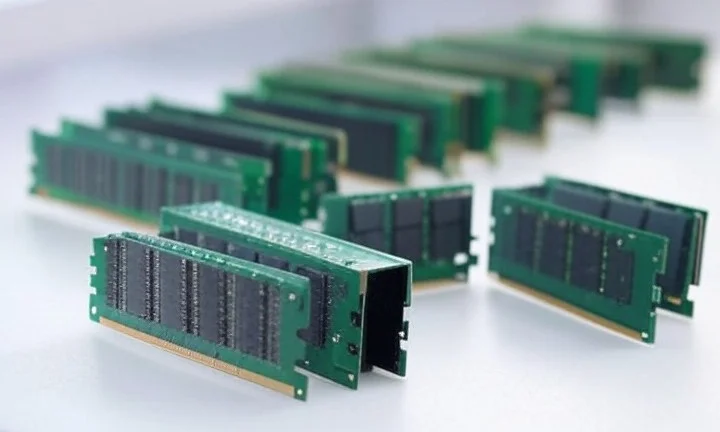
In the opening weeks of 2026, the volatile world of computer memory appears to have reached an uneasy calm. After months of relentless price hikes driven by artificial intelligence demands and supply chain disruptions, RAM costs seem to have leveled off. But this stabilization isn’t the result of balanced markets or increased production—it’s a symptom of something more troubling: sky-high prices are choking off consumer demand, leaving manufacturers with unsold inventory and forcing everyday buyers to delay upgrades or settle for less.
Industry analysts point to a confluence of factors that have pushed DRAM and NAND flash prices to unprecedented heights. A surge in AI applications, particularly those requiring high-bandwidth memory (HBM), has diverted manufacturing capacity away from consumer-grade components. Major players like Samsung and SK Hynix are prioritizing lucrative contracts for data centers and AI hardware, leaving the PC and smartphone sectors scrambling for scraps. This shift has created a structural undersupply in traditional memory markets, with prices for standard DDR5 modules more than doubling since late 2025.
Consumers and small businesses are feeling the pinch most acutely. What was once an affordable upgrade—adding more RAM to a laptop or building a custom PC—now carries a premium that rivals the cost of entire devices. For instance, a 64GB kit of DDR5 RAM, which might have cost around $200 a year ago, now hovers near $500 or more in many markets, according to recent retail data.
The AI-Driven Supply Squeeze
The roots of this crisis trace back to the explosive growth of AI technologies. As companies race to deploy generative models and machine learning systems, the demand for specialized memory has skyrocketed. High-bandwidth memory, essential for AI accelerators, commands prices several times higher than standard RAM, incentivizing producers to reallocate resources. A report from IDC highlights how this global memory shortage is reshaping smartphone and PC markets, with rising DRAM and NAND costs threatening device pricing and specifications.
This reallocation has ripple effects across the supply chain. Memory fabs, which require massive investments and long lead times to expand, are struggling to keep pace. SK Hynix’s announcement of a $13 billion investment in the world’s largest HBM assembly plant, as noted in coverage from Tom’s Hardware , underscores the industry’s focus on AI, but such expansions won’t yield immediate relief for consumer markets.
Meanwhile, posts on social platform X reflect growing frustration among tech enthusiasts and professionals. Users report that prices for 64GB RDIMM modules jumped from $255 in the third quarter of 2025 to $450 by year’s end, with projections pushing toward $700 by March 2026. This sentiment echoes warnings from industry executives, like Team Group’s general manager, who cautioned that the pricing crisis is just beginning and could worsen as prices double in short periods.
Impact on Consumer Electronics
The stabilization of prices at these elevated levels is largely due to diminished demand. With costs so prohibitive, many consumers are opting out of purchases altogether. This trend is evident in the smartphone sector, where manufacturers are contemplating downgrades to lower RAM configurations to maintain affordability. A live update from Tom’s Guide suggests entry-level phones might revert to 4GB of RAM, a step backward from the 8GB standard, as memory prices are projected to rise sharply again in early 2026.
PC builders and gamers are similarly affected. Enthusiasts who once chased high-performance rigs are now facing RAM costs that exceed those of gaming consoles. Black Friday deals in late 2025 may have been the last opportunity for bargains, as noted in various analyses, before the market tipped into full crisis mode. This has led to a slowdown in sales, creating a feedback loop where high prices suppress demand, which in turn stabilizes those prices—but at a level that’s unsustainable for broad market growth.
Enterprise users aren’t immune either. IT departments are rethinking procurement strategies amid the shortage. A piece from IPC2U advises adapting to skyrocketing DDR5 prices driven by AI shortages, recommending bulk purchases or alternative sourcing to mitigate costs.
Market Forecasts and Analyst Insights
Looking ahead, forecasts paint a picture of continued tightness. Morgan Stanley has revised its 2026 projections, anticipating average DRAM prices to rise 62% and NAND flash by 75%, fueled by tightening supply and robust AI-driven demand. This outlook, shared in posts on X, highlights constraints on both commodity memory and legacy HBM chips.
Similarly, a BBC article warns that everything from phones to PCs may get pricier in 2026, with RAM prices having more than doubled since October 2025. The memory super cycle, as described in Evertiq , is now a reality, defined by structural undersupply in DRAM and NAND.
Analysts at TrendForce, referenced in multiple sources, predict sharp increases in the first quarter, potentially forcing mid-range laptops to ship with just 8GB of RAM instead of 16GB. This downgrade could stifle innovation in mobile computing, where memory is crucial for multitasking and emerging AI features on devices.
Strategies for Navigation
For industry insiders, navigating this new reality requires strategic foresight. Companies are exploring alternatives like optimizing software to use less memory or shifting to emerging technologies such as LPDDR5X for efficiency. However, these stopgaps don’t address the core issue of supply scarcity.
Samsung’s warnings, detailed in Network World , emphasize how capacity shifts to high-margin HBM are collapsing traditional DRAM supply, eroding procurement leverage for enterprises. This has led to calls for diversified sourcing and long-term contracts to secure allocations.
On the consumer side, advice from BaCloud suggests monitoring global outlooks, as prices surged through 2024 and 2025 due to booming demand and other factors. While some hope for a drop later in 2026, most experts agree that relief is unlikely without significant capacity expansions.
The Broader Economic Ripple
The ramifications extend beyond tech hardware into broader economic spheres. Data centers, the backbone of cloud computing and AI services, are facing their own crunch. With memory accounting for a growing portion of costs—up to 80% in some graphics cards, as noted in X discussions—the push for AI infrastructure is inflating budgets across sectors.
This shortage is exacerbating inequalities in tech access. Developing markets, where affordable devices are key to digital inclusion, may see slowed adoption of new technologies. In wealthier regions, businesses are delaying IT refreshes, potentially hampering productivity gains from AI and other advancements.
Moreover, the environmental angle can’t be ignored. Memory production is resource-intensive, and the rush to build new fabs raises concerns about sustainability. Investments like SK Hynix’s massive plant aim to boost output, but they also increase energy consumption and material demands.
Voices from the Industry
Industry voices are sounding alarms. KeyBanc’s takeaways from Asia meetings, shared on X, reveal apprehension about memory’s impacts, with data center growth projected over 50% in 2026. Hyperscalers are preemptively securing supplies, leaving smaller players in the lurch.
A IntuitionLabs analysis delves into how AI demand for HBM is straining DRAM supplies, leading to surges in PC, gaming, and server memory prices. This strain is poised to continue, with no quick fixes in sight.
Even consumer tech reviews, like those in Trusted Reviews , explain the recent highs in RAM, SSD, and GPU prices, questioning if drops are imminent. The consensus? Not soon.
Pathways to Resolution
Potential pathways out of this plateau involve ramping up production, but barriers abound. Geopolitical tensions, including trade restrictions on semiconductors, complicate global supply chains. Efforts to onshore manufacturing in the U.S. and Europe could help, but they require time and capital.
Innovation in memory technologies offers another avenue. Developments in 3D NAND and advanced DRAM could improve efficiency, reducing the need for sheer volume. However, these advancements are years away from mass adoption.
In the interim, recycling and secondary markets for used memory are gaining traction. Companies are exploring ways to refurbish and redistribute components, providing a buffer against new purchase costs.
Reflections on Market Dynamics
Reflecting on these dynamics, the current stabilization might represent a tipping point. If demand remains suppressed, manufacturers could be forced to adjust pricing or redirect capacity back to consumer needs. Yet, with AI’s insatiable appetite showing no signs of abating, this seems optimistic.
Historical parallels, such as the crypto mining boom that once drove GPU shortages, suggest cycles can turn. But AI’s integration into everyday tech makes this shortage feel more permanent.
For now, the tech sector must adapt to a world where memory is no longer a commodity but a precious resource. This shift could spur efficiency innovations, ultimately benefiting the industry—if it doesn’t first stifle growth.
Emerging Trends and Future Outlooks
Emerging trends point to hybrid solutions, blending on-device AI with cloud resources to minimize local memory needs. This could alleviate some pressure on consumer devices.
Future outlooks from LevelUpBlogs forecast DDR4 and DDR5 trends, predicting hikes before any potential drops. With average selling prices per gigabit increasing abruptly in late 2025, as per TechRadar , the blame falls squarely on AI overlords.
A PC Build Advisor tracking of 2025 prices notes a significant correction, ending historic lows and ushering in what some call the greatest hardware crisis ever.
As 2026 unfolds, the memory plateau serves as a stark reminder of how interconnected tech ecosystems are. Stabilized prices at lofty heights may offer a brief respite, but without systemic changes, the crunch could define the decade.






Leave a Reply
Your email address will not be published.