






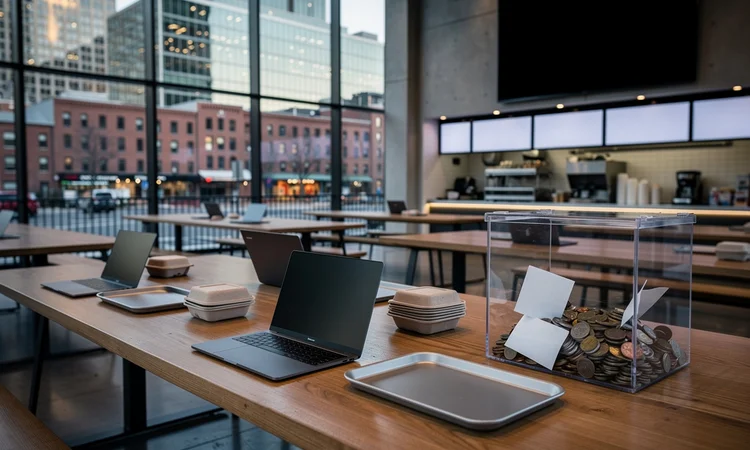
In the shadow of Fenway Park, Boston’s Time Out Market—a 27,000-square-foot beacon of culinary curation with 15 eateries, two bars, a sprawling patio, and a video-installation wall—faced oblivion just hours before its planned permanent closure. Opened in 2019 as the city’s first food hall, it promised the finest food, drinks, and culture under one roof. But persistent hybrid work arrangements drained its weekday crowds, pushing operators to the brink amid soaring costs. PennLive detailed the drama, noting the announcement came mere days before the Friday shutdown, leaving staff reeling.
“I thought it was a joke… We found out just like two days ago, and these past two nights, I haven’t even slept yet,” an anonymous employee at Cusser’s, one of the hall’s vendors, told CBS Boston . Time Out Market CEO Michael Marlay cited the culprits in a statement: “Following the pandemic, we have seen the Boston Market recover and grow, and we have focused on initiatives driving further growth; however, footfall until today remains inconsistent in the area due to ongoing hybrid working and in addition, operating costs have increased — all of which prevents consistent profitability.” The hall’s woes mirrored a broader urban plight, where office vacancies hollowed out lunch rushes.
Eleventh-Hour Rescue in Fenway
On Thursday afternoon, salvation arrived. Samuels & Associates, a local real estate firm, struck a deal to take over operations, averting the closure. “Today, Samuels & Associates announced an agreement to assume operations of Time Out Market Boston, ensuring the Fenway food hall will remain open. The decision maintains continuity for more than a dozen Boston restaurateurs who call the market home and responds to a strong groundswell of community support for the city’s first food hall,” the firm stated in a press release covered by TheStreet . Boston Mayor Michelle Wu hailed the move: “Every great city needs great food halls, and Time Out Market in Fenway has been a needed gathering space and economic hub showcasing our local culinary talent to residents, coworkers, and visitors from around the world… I’m grateful for the swift leadership from Steve Samuels and our Fenway community.”
Yet the rescue underscored fragility. Vendors like those at Ms. Wedges and other stalls had cycled through the space since opening, hit hard by the pandemic just 10 months in. A former operator told Boston.com weekdays, especially lunch, never recovered as nearby office workers embraced remote setups. Stephen Clark, CEO of the Massachusetts Restaurant Association, quantified the hit to NBC Boston : “With limited office time and people doing remote work and in-person work, even if you’re in the office two days a week, that’s a 60% reduction in potential foot traffic that you would have experienced before.”
Hybrid Habits Starve Urban Dining Hubs
Time Out Market’s near-demise is no outlier. Its Chicago sibling also shuttered, leaving only New York outposts standing, per Restaurant Business . Globally, the Lisbon-born concept struggled in office-dependent zones. Yahoo Finance linked the Boston saga to remote work’s urban toll: employees brewing coffee at home, skipping downtown lunches, shifting dollars to suburbs. Work From Home Research’s 2023 data, referenced in multiple reports, warned “remote work is costing cities billions a year,” with a dozen U.S. cities losing over $2,000 in annual per-person spending, much from dining.
Bureau of Labor Statistics figures amplify the pain: a 10% foot-traffic drop in urban tracts correlates to 1.7% fewer food-service jobs, as noted in coverage by Miami Herald archives. Fenway’s rising vacancies—nearby REI set to close too—exacerbate this, per CBS Boston . Industry voices like Seth Gerber of Massachusetts Restaurants United told NBC Boston that competition for mid-tier eats and weak brand loyalty compound remote-work voids, especially sans constant office flows.
Persistent Remote Trends Fuel Closures
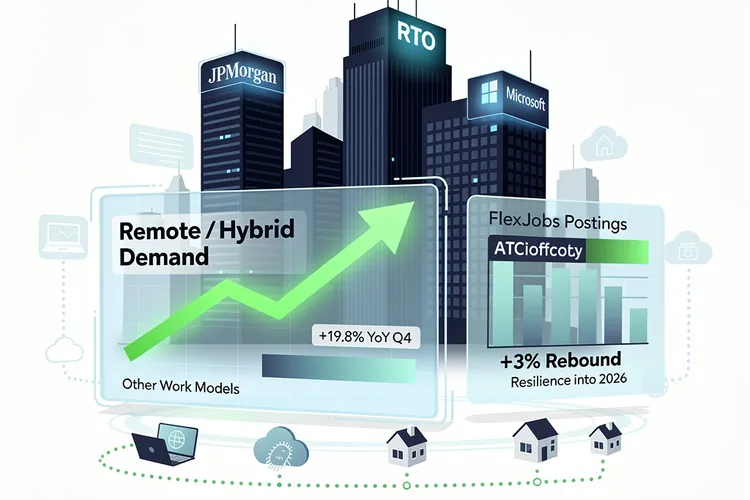
Remote work endures into 2026. FlexJobs’ 2026 Trends Report, drawing from 2025 surveys, shows workers prioritizing hybrid setups, with demand unyielding despite return-to-office pushes. A ResumeBuilder survey cited by Forbes reveals 30% of firms plan to nix remote roles by year-end, yet compliance lags. JLL’s 2025 Workforce Preference Barometer, via Fortune , spots “empowered non-compliers” flouting mandates, keeping offices half-empty.
Globally, the Global Survey of Working Arrangements pegs average WFH at 1.27 days weekly in 2024-2025, per Medium’s BPO Central analysis. Zippia projects 36.2 million U.S. remote workers by 2025, reshaping rushes: no commuter coffees, muted weekday lunches, per ChefStore . Takeout surged 20% from 2019 levels in Q1 2023, but urban halls crave dine-in volume.
Food Halls in the Crosshairs
Time Out’s model—curated stalls for harried workers—clashed with home offices. Culinary Woman notes high rents (speculated $150,000-$1.5 million monthly in Chicago) demand massive traffic; Fulton Market and Fenway developments boomed pre-pandemic but falter now. Smaller formats, like Time Out’s new Union Square NYC spot, may endure. Citizen Public Market’s 2025 Culver City closure, shuttering gems like Bar Bohemien, echoes this, per LA Times .
Chains feel it too. Wendy’s eyes 300 closures, Denny’s 150-plus, per Restaurant Business . Houlihan’s and Noodles & Company trim footprints amid 35% food/labor hikes over five years, per National Restaurant Association data in TheStreet . Inflation pushed food-away-from-home prices up 3.7% through September 2025, Circana notes declining traffic.
Adaptation Imperatives for Survival
Operators pivot: boost takeout, slash prices, target evenings/weekends. ChefStore highlights weekend booms offsetting lunch slumps. Reddit threads on r/barista lament remote campers hogging tables sans turnover, preferring quick-flip crowds. Yet urban cores like D.C., NYC, Oakland see persistent closures—Modern Coffee axed three spots—from commuter vanishings, per older but resonant Medium analysis.
For food halls, viability hinges on diversification. Time Out’s rescue buys time, but sustained hybrid prevalence—52% global workforce remote per Yomly’s 2026 stats—demands reinvention. As Delish warns of 2026 chain perils, insiders eye resilient models blending delivery, events, residential draws to outlast the office exodus.






Leave a Reply
Your email address will not be published.