







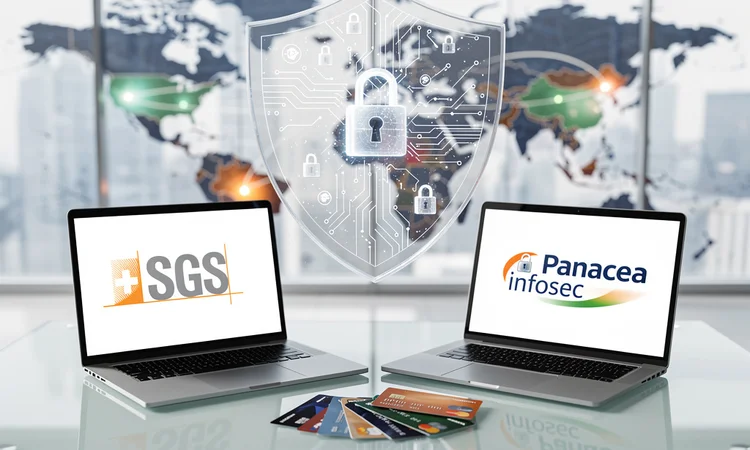
Swiss testing and certification giant SGS has made a decisive move to strengthen its position in the rapidly evolving digital security sector, announcing the acquisition of India-based Panacea Infosec in a deal that signals the company’s commitment to expanding its cybersecurity and payment card security capabilities. The transaction, revealed on January 6, 2026, positions SGS to better serve clients navigating increasingly complex digital threat environments while capitalizing on the growing demand for comprehensive digital trust solutions across global markets.
According to The Hutchinson News , the acquisition reinforces SGS’s dedication to digital trust and payment card security solutions, marking a strategic expansion of the company’s service portfolio at a time when organizations worldwide face mounting pressure to protect digital assets and maintain regulatory compliance. The move comes as enterprises accelerate digital transformation initiatives, creating unprecedented demand for specialized security testing and certification services that can keep pace with evolving cyber threats.
Panacea Infosec brings to SGS a robust portfolio of cybersecurity services, including penetration testing, vulnerability assessments, and specialized payment card industry security expertise. The Indian firm has established itself as a recognized player in the South Asian cybersecurity market, serving clients across banking, financial services, retail, and technology sectors. This acquisition provides SGS with immediate access to specialized talent and established client relationships in one of the world’s fastest-growing digital economies.
Strategic Rationale Behind the Digital Security Expansion
The acquisition reflects broader industry trends as traditional testing, inspection, and certification companies seek to diversify their offerings beyond physical product testing into digital domains. SGS has been systematically building its digital trust capabilities over recent years, recognizing that modern enterprises require integrated assurance services spanning both physical and digital assets. The Panacea Infosec deal accelerates this strategy by adding specialized cybersecurity expertise that complements SGS’s existing certification and compliance services.
Industry analysts note that the global cybersecurity market continues to experience robust growth, driven by escalating cyber threats, stringent regulatory requirements, and the proliferation of connected devices and cloud-based services. Organizations are increasingly seeking comprehensive security partners capable of delivering end-to-end solutions rather than point products, creating opportunities for established players like SGS to leverage their trusted brand and global reach to capture market share in adjacent security domains.
The payment card security focus of this acquisition holds particular significance given the ongoing evolution of digital payment systems and the persistent threat of payment card fraud. As contactless payments, mobile wallets, and e-commerce transactions proliferate globally, financial institutions and merchants face heightened scrutiny from regulators and card networks to maintain rigorous security standards. SGS’s enhanced capabilities in this domain position the company to serve as a comprehensive partner for organizations navigating Payment Card Industry Data Security Standard (PCI DSS) compliance and related security requirements.
Panacea Infosec’s Market Position and Capabilities
Panacea Infosec has built its reputation on delivering specialized security testing services that help organizations identify and remediate vulnerabilities before they can be exploited by malicious actors. The firm’s expertise spans application security testing, network security assessments, cloud security evaluations, and compliance auditing services. This technical depth complements SGS’s broader quality assurance and certification capabilities, creating opportunities for cross-selling and integrated service delivery to enterprise clients.
The Indian cybersecurity market has experienced rapid expansion in recent years, fueled by the country’s thriving technology sector, increasing digitalization of government services, and growing awareness of cyber risks among enterprises. India’s position as a global technology services hub has created a deep talent pool of cybersecurity professionals, making it an attractive location for companies seeking to build or acquire specialized security capabilities. Panacea Infosec’s established presence in this market provides SGS with a foundation for further expansion across the Asia-Pacific region.
Financial terms of the acquisition were not disclosed, consistent with SGS’s typical approach to smaller strategic transactions. However, the deal represents part of a broader investment strategy focused on expanding the company’s digital and sustainability-related service offerings. SGS has previously indicated its intention to allocate significant capital toward acquisitions that strengthen its position in high-growth service categories, suggesting that digital trust and cybersecurity remain priority areas for investment.
Integration Challenges and Opportunities Ahead
Successfully integrating Panacea Infosec into SGS’s global operations will require careful attention to cultural alignment, service delivery standardization, and talent retention. Cybersecurity firms often face challenges in maintaining technical expertise and client relationships through ownership transitions, as key personnel may be recruited by competitors or choose to pursue independent ventures. SGS will need to demonstrate its commitment to preserving Panacea Infosec’s technical culture while providing resources and market access that enable the acquired team to expand their impact.
The acquisition also presents opportunities for SGS to develop integrated service offerings that combine physical product testing, supply chain security assessments, and cybersecurity evaluations. Modern enterprises face interconnected risks spanning physical and digital domains, from counterfeit components in supply chains to vulnerabilities in connected products. SGS’s expanded capabilities enable the company to address these multifaceted challenges through comprehensive assurance programs that provide clients with holistic risk visibility and mitigation strategies.
Geographic expansion represents another significant opportunity arising from this transaction. While Panacea Infosec has primarily served the Indian market, SGS’s global presence spanning more than 140 countries provides pathways for extending these specialized services to clients worldwide. Conversely, SGS can leverage Panacea Infosec’s local market knowledge and relationships to strengthen its position in India and neighboring markets, where demand for cybersecurity services continues to accelerate.
Broader Industry Implications and Competitive Dynamics
The SGS-Panacea Infosec deal reflects a broader trend of consolidation in the cybersecurity services market, as larger players seek to build comprehensive capabilities through strategic acquisitions. Traditional testing and certification companies increasingly compete with specialized cybersecurity firms, management consultancies, and technology vendors for enterprise security budgets. This convergence creates both competitive pressure and opportunities for differentiation based on integrated service delivery and global reach.
Competitors in the testing, inspection, and certification sector are likely monitoring this transaction closely as they evaluate their own digital service strategies. Companies such as Bureau Veritas, Intertek, and TÜV SÜD face similar imperatives to expand beyond traditional physical testing services into digital assurance domains. The pace and success of these expansion efforts will significantly influence competitive positioning in the evolving quality assurance and risk management services market.
For enterprises evaluating cybersecurity service providers, the SGS acquisition highlights the growing availability of integrated assurance solutions from established certification bodies. Organizations may find value in consolidating relationships with providers capable of addressing both traditional compliance requirements and emerging digital security challenges. However, clients will need to carefully assess whether these integrated providers can match the specialized expertise and innovation offered by pure-play cybersecurity firms, particularly for advanced threat detection and response capabilities.
Future Outlook for Digital Trust Services
As digital transformation accelerates across industries, the demand for comprehensive digital trust services shows no signs of abating. Regulatory requirements continue to evolve, with governments worldwide implementing stricter data protection, privacy, and cybersecurity mandates. Organizations must navigate this complex regulatory environment while simultaneously defending against increasingly sophisticated cyber threats and maintaining stakeholder confidence in their digital operations.
SGS’s investment in cybersecurity capabilities through the Panacea Infosec acquisition positions the company to capitalize on these trends while supporting clients in managing digital risks more effectively. The success of this integration will depend on SGS’s ability to preserve the acquired firm’s technical expertise, invest in continuous capability development, and effectively communicate the value of integrated assurance services to enterprise clients. As the digital trust market continues to mature, companies that successfully combine specialized technical expertise with global reach and trusted brand recognition will be well-positioned to capture outsized market opportunities in the years ahead.






Leave a Reply
Your email address will not be published.