




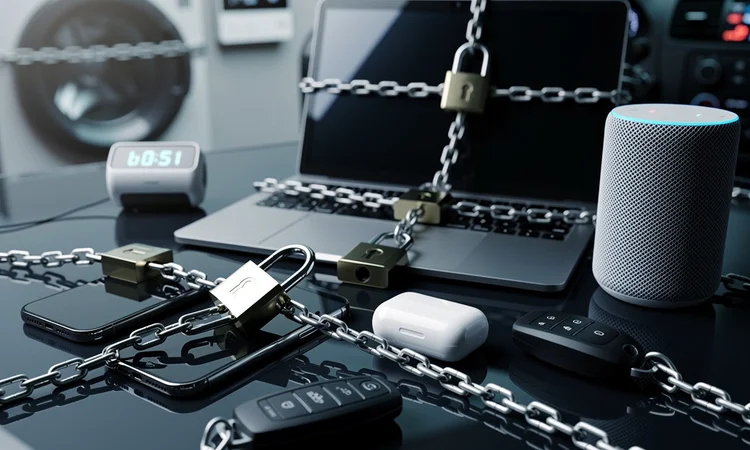
In an era where smart devices promise convenience and connectivity, a growing number of consumers are discovering that ownership doesn’t always mean control. Take the case of a $169 alarm clock touted for its advanced lighting and audio features—purchased outright, yet many of its core functions remain locked behind a monthly subscription fee. This isn’t an isolated quirk; it’s emblematic of a broader shift in the technology sector, where products are designed to generate ongoing revenue long after the initial sale. Industry analysts point to this phenomenon as “subscription captivity,” a model that flips traditional notions of buying on their head, turning buyers into perpetual renters.
The roots of this trend trace back to software giants like Adobe and Microsoft, which pioneered subscription-based access to tools once sold as one-time purchases. Now, hardware is following suit. Connected thermostats, fitness trackers, and even kitchen appliances increasingly require paid subscriptions to unlock full functionality. For instance, some high-end refrigerators demand fees for features like inventory tracking or recipe suggestions, features that were once bundled into the purchase price. This evolution isn’t just about profit; it’s a strategic pivot to recurring revenue streams in a market saturated with one-off sales.
Consumers often feel the sting when they realize the fine print. A device bought for hundreds of dollars might lose essential capabilities if a subscription lapses—think security cameras that stop recording or smart locks that revert to basic modes. Recent reports highlight how this model erodes consumer rights, with ownership diluted by terms of service that allow companies to alter or revoke access at will. As one tech executive put it in a recent industry forum, the goal is to create “lifetime value” from each customer, but at what cost to trust?
The Mechanics of Captivity: How Subscriptions Lock In Users
At the heart of subscription captivity lies a clever blend of hardware and software integration. Devices are engineered with cloud-dependent features, meaning local functionality is limited without an internet connection and a paid account. This design choice ensures that companies maintain leverage over the product lifecycle. For example, automotive manufacturers like BMW have experimented with subscription fees for heated seats, where the hardware is already installed but activation requires payment—a move that sparked backlash but underscores the potential for monetizing existing components.
Financial incentives drive this shift. According to a report from EY , tech firms transitioning to subscription models face operational challenges but reap rewards in predictable cash flow. The global subscription economy has ballooned by over 435% in recent years, as noted in insights from Argon & Co , transforming industries from entertainment to enterprise software. Yet, for consumers, this means escalating costs: a one-time purchase morphs into an indefinite commitment, with prices often hiked annually.
Critics argue this model borders on deceptive marketing. Products are advertised with full feature sets, but disclosures about subscriptions are buried in user agreements. A Mother Jones piece labeled endless subscriptions as a “monster” of 2025, part of their annual roundup of societal gripes. The article details how even mundane items like alarm clocks ensnare users, requiring extra payments for promised perks, fostering a sense of betrayal among buyers who expected outright ownership.
Consumer Backlash and Emerging Resistance
Public sentiment, as gleaned from posts on X, reflects widespread frustration. Users lament the death of physical media and one-time buys, with many pointing to a future where everything—from software to household gadgets—demands ongoing fees. One viral thread compared it to paying to breathe in corporate spaces, highlighting fears of overreach. This echoes broader discussions on platforms where creators warn about tools like video editors that claim rights over user content via updated terms, potentially stifling innovation.
Resistance is building through alternative models. Some companies are bucking the trend by emphasizing ownership, offering lifetime licenses or modular hardware that doesn’t rely on subscriptions. A Medium essay from early 2024 anticipated this “rise of ownership,” arguing that consumers are pushing back against the dominance of access-over-possession paradigms. Indie developers and open-source communities are gaining traction, providing subscription-free alternatives that prioritize user control.
Regulatory scrutiny is intensifying too. In the U.S., the Federal Trade Commission has eyed subscription practices, particularly auto-renewals and cancellation hurdles, which exacerbate captivity. European regulators, under the Digital Markets Act, are mandating clearer terms for digital services, potentially setting precedents that could curb excessive monetization. Industry insiders whisper that class-action lawsuits may soon target hardware subscriptions, especially if they render devices partially unusable without payment.
Economic Implications for Tech Giants and Startups
For tech behemoths, subscriptions represent a goldmine. Netflix and Spotify normalized the model in media, but now hardware players like Peloton and Ring are adapting it, bundling services with devices to boost margins. A Forbes Councils guide outlines how these models foster customer loyalty through continuous updates, yet they also invite churn when fees accumulate. Subscription fatigue is real, with users juggling dozens of services, leading to cancellations amid economic pressures.
Startups, however, navigate a double-edged sword. Adopting subscriptions can accelerate growth, as per Forbes Tech Council insights on challenges like managing costs and ensuring value delivery. But over-reliance risks alienating price-sensitive markets. Recent news from GlobeNewswire projects the U.S. subscription box market hitting $25 billion by 2033, signaling robust expansion, but also saturation that could force differentiation.
On the flip side, this model sustains innovation by funding ongoing development. Companies argue that subscriptions enable frequent improvements, like AI-driven enhancements in consumer AI tools. A Andreessen Horowitz analysis of 2025’s AI landscape notes paid growth in platforms like ChatGPT, where subscriptions unlock premium features, driving retention despite competition from free alternatives.
The Broader Societal Shift: From Ownership to Access
This pivot mirrors a cultural move away from possession toward experiences. Posts on X decry how physical media is fading, replaced by streaming services that can alter or remove content at whim. One user highlighted the World Economic Forum’s past predictions of a “you’ll own nothing” future by 2030, tying it to subscription proliferation. This sentiment fuels debates on consumer rights, with advocates calling for laws that guarantee perpetual access to purchased hardware features.
Ethically, subscription captivity raises questions about equity. Not everyone can afford recurring fees, potentially widening digital divides. Low-income households might buy “smart” devices only to find them dumbed down without subscriptions, effectively creating tiers of ownership. Industry reports, such as those from Press Gazette , discuss how publishers in 2025 tackled subscription growth through innovative content, but similar tactics in hardware could exacerbate exclusion.
Looking ahead, hybrids may emerge—devices with base ownership and optional subscriptions for extras. This could balance company revenues with consumer autonomy, as suggested in a Verdict piece on premium platforms facing growth battles in 2026 due to fatigue. Tech policy reviews, like the American Enterprise Institute’s 2025 recap , emphasize the need for balanced regulations to foster innovation without eroding trust.
Navigating the Future: Strategies for Consumers and Companies
Consumers can mitigate captivity by researching before buying—checking for subscription dependencies and opting for brands with transparent models. Tools like subscription trackers help manage costs, while community forums share workarounds, such as rooting devices to bypass cloud locks, though this voids warranties and carries risks.
For companies, success hinges on value perception. Overzealous monetization, as seen in backlash against certain auto subscriptions, can damage brands. Best practices include easy cancellations and tiered plans that respect basic ownership. A StartupNews.fyi article echoes Mother Jones’ alarm clock example, warning that when products “own” users, loyalty erodes.
Ultimately, the subscription model’s trajectory depends on equilibrium. As X posts and news cycles amplify discontent, tech firms must adapt or face revolt. Innovations in blockchain or decentralized tech could restore true ownership, but for now, the battle between convenience and control defines the consumer-tech relationship, with no easy resolutions in sight.






Leave a Reply
Your email address will not be published.