



T-Mobile US Inc., the wireless operator that built its brand on thumbing its nose at industry norms, is quietly dismantling one of its most powerful customer-acquisition tools. The company is ending its uniquely generous policy of accepting smartphones with cracked screens for top-tier trade-in values, a move that aligns it with its rivals and signals a strategic pivot from aggressive growth to cost-conscious pragmatism.
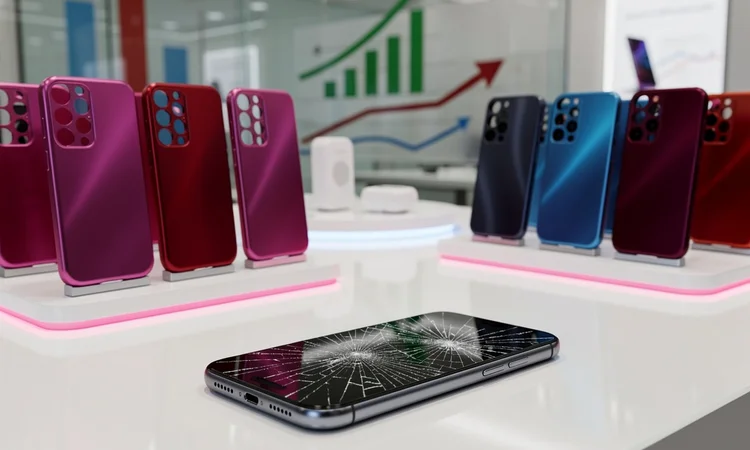
Effective June 26, devices with any cracks on the screen or back glass will no longer qualify for the highest promotional trade-in offers, a significant departure from the policy that served as a key differentiator in a cutthroat market. The change, first reported by Android Authority , represents more than a simple tweak to terms and conditions; it marks a potential inflection point for the self-proclaimed “Un-carrier,” suggesting that the economic realities of the mature U.S. wireless market are beginning to outweigh the marketing value of its most customer-friendly stances.
For years, T-Mobile leveraged its damaged-device acceptance policy as a potent weapon. It allowed the company to tell a compelling story to frustrated customers of AT&T and Verizon, who were often told their cracked, but otherwise functional, devices were worth next to nothing. By offering hundreds of dollars for these phones, T-Mobile not only subsidized a customer’s switch but also removed a significant point of friction in the upgrade cycle, boosting both new subscriber numbers and device sales.
A Calculated Retreat from a Signature Policy
The new guidelines are specific and unforgiving. According to internal documents reviewed by The Mobile Report , any phone with “cracks on the screen, even if it’s a single hairline crack” or damage to the back glass will be downgraded. This brings the policy in line with existing disqualifiers like liquid damage, an inability to power on, or a non-functional display. In essence, T-Mobile is adopting the same strict standards it once criticized.
This strategic retreat underscores the immense financial pressure of the modern device promotion model. Carriers heavily subsidize flagship smartphones, which now routinely cost well over $1,000, by spreading the discount over 24 or 36 months of bill credits. The value of the traded-in device is crucial to offsetting this cost. The economics of accepting a phone with a shattered screen—a repair that can cost from $200 to over $400 for a high-end model—became increasingly untenable, eating directly into the profitability of each new activation or upgrade.
Aligning with Rivals as Market Matures
By implementing this change, T-Mobile is falling in step with its primary competitors. Both Verizon and AT&T have long-standing policies that explicitly state a device must be free of cracks, chips, and fractures to be eligible for maximum trade-in value. T-Mobile’s move effectively neutralizes a key competitive advantage, leveling the playing field on trade-in promotions and forcing the carriers to compete more directly on network quality and plan pricing.
The timing is telling. The U.S. wireless market is largely saturated, and the explosive subscriber growth seen in the wake of the T-Mobile-Sprint merger has begun to normalize. In this environment, the focus for all carriers shifts from pure subscriber acquisition to increasing Average Revenue Per User (ARPU) and managing the long-term profitability of their customer base. The exorbitant cost of acquiring a new customer, which includes the deep subsidy on a new device, is now under intense scrutiny across the industry.
The Un-Carrier Identity Under Pressure
The policy shift creates a significant challenge for T-Mobile’s carefully cultivated brand identity. For over a decade, under former CEO John Legere and current chief Mike Sievert, the company has positioned itself as a consumer advocate, dismantling unpopular industry practices like two-year contracts, overage fees, and international roaming charges. Each “Un-carrier” move was designed to highlight the perceived greed and rigidity of its competitors. Now, T-Mobile finds itself adopting a policy it once implicitly derided.
This move is already generating concern and frustration among the company’s most valuable assets: its frontline employees and loyal customers. Discussions on social platforms like Reddit show retail staff bracing for difficult conversations with customers who have come to expect T-Mobile’s leniency. For consumers, especially those with damaged devices who were waiting for the next big promotional window, the change feels like a bait-and-switch, eroding the trust the Un-carrier brand worked so hard to build.
Broader Implications for the Device Upgrade Cycle
The repercussions of this decision will likely extend beyond T-Mobile’s balance sheet. It could subtly alter consumer behavior and the device upgrade cycle. Customers with a cracked screen may now delay their upgrade, choosing instead to live with the damage or seek out a third-party repair shop before approaching a carrier. This could benefit the independent repair industry but may reduce foot traffic and sales opportunities in T-Mobile’s corporate stores.
Furthermore, it is a clear indicator that the era of hyper-aggressive, no-strings-attached promotions may be waning. As the cost of flagship devices continues to rise and the secondary market for used phones becomes more sophisticated, carriers are being forced to manage their hardware portfolios with the discipline of a financial institution. Every trade-in is an asset whose condition directly impacts its resale value and, therefore, the net cost of a promotion. T-Mobile’s adjustment is a concession to this economic reality, a sign that even the industry’s most disruptive force must ultimately adhere to the laws of financial gravity.






Leave a Reply
Your email address will not be published.