




From Humble Beginnings to Retail Giant
In the post-World War II era, a modest children’s furniture store in Washington, D.C., laid the foundation for what would become a global toy empire. Founded by Charles Lazarus in 1948 as Children’s Supermart, the business initially focused on baby furniture and cribs, capitalizing on the baby boom. By 1957, Lazarus pivoted to toys, renaming it Toys “R” Us and introducing a supermarket-style layout that revolutionized toy retailing. This self-service model, with wide aisles and abundant stock, appealed to families seeking convenience and variety.
The 1970s and 1980s marked explosive growth. Toys “R” Us expanded aggressively across the U.S., opening hundreds of stores and dominating the toy market with exclusive deals and aggressive pricing. By the mid-1980s, international expansion began, starting with Canada and the U.K., turning the brand into a household name. Sales soared to billions, and the iconic Geoffrey the Giraffe mascot became synonymous with childhood joy.
However, this dominance came at a cost. The company’s strategy relied heavily on volume and discounts, often squeezing suppliers and smaller competitors. Insider accounts from the era describe a cutthroat environment where Toys “R” Us wielded immense bargaining power, demanding favorable terms from toymakers like Hasbro and Mattel.
The Debt-Fueled Downfall
The turning point arrived in 2005 when a consortium of private equity firms—Kohlberg Kravis Roberts, Bain Capital, and Vornado Realty Trust—acquired Toys “R” Us in a $6.6 billion leveraged buyout. This deal saddled the company with massive debt, estimated at $5 billion, which drained resources from operations and innovation. Annual interest payments alone exceeded $400 million, limiting investments in e-commerce as online shopping surged.
By the 2010s, competition intensified from giants like Walmart, Target, and Amazon, who offered toys at lower prices with the convenience of online delivery. Toys “R” Us struggled to adapt, its brick-and-mortar focus becoming a liability. Declining birth rates in key markets further eroded sales, and the company failed to refresh its store experience or build a robust digital presence.
In September 2017, overwhelmed by debt and shifting consumer habits, Toys “R” Us filed for Chapter 11 bankruptcy. The filing revealed a dire financial picture: $5 billion in debt against dwindling revenues. Liquidation followed in 2018, closing all 735 U.S. stores and resulting in 33,000 job losses. As detailed in a CNBC report , this marked the end of an era for the once-unbeatable retailer.
Echoes of Bankruptcy and Global Survival
The bankruptcy’s ripple effects extended beyond the U.S. International operations, particularly in Canada and parts of Europe, were somewhat insulated but still faced challenges. In Canada, billionaire Doug Putman acquired the chain in 2019, attempting to stabilize it amid evolving retail dynamics. However, recent closures signal ongoing struggles; a December 2025 announcement revealed the shutdown of all but one store in Quebec, leading to 68 layoffs, as reported by the Montreal Gazette .
Globally, the intellectual property was transferred in 2019 to Tru Kids Brands, a new entity formed by former executives. This move preserved the brand’s essence, allowing for licensing deals and pop-up shops. Yet, the core issue remained: adapting to a world where digital platforms dominate toy sales, with parents increasingly turning to apps and same-day delivery.
Industry analysts point to broader retail trends, including the rise of experiential shopping and sustainability concerns. Toys “R” Us’s failure to innovate in these areas—such as eco-friendly toys or interactive in-store events—contributed to its decline, echoing patterns seen in other bankrupt retailers like Sears.
Seeds of Resurrection
Whispers of revival began in 2021 when Toys “R” Us announced partnerships with Macy’s for in-store shops, testing the waters for a physical comeback. This hybrid model leveraged existing retail footprints, reducing overhead while tapping into nostalgia. By 2023, announcements of flagship stores in airports and cruise ships hinted at a strategic pivot toward travel retail, as noted in posts on X from users like The Collectibles Guru, who highlighted the “Air, Land & Sea” expansion.
The momentum built in 2024, with Tru Kids Brands and parent company WHP Global outlining plans for standalone stores. This resurrection drew on the brand’s enduring appeal, with surveys showing strong nostalgic value among millennials now parenting. Toymakers rejoiced at the prospect, anticipating boosted sales through a dedicated toy specialist, according to a Retail Brew article .
Key to this revival was addressing past mistakes. New leadership focused on lighter debt loads, enhanced online integration, and experiential elements like play zones to differentiate from e-commerce competitors.
2025: A Year of Ambitious Expansion
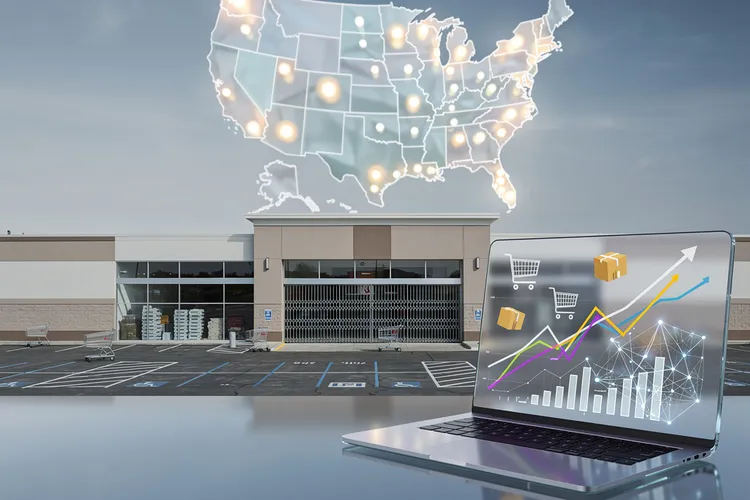
Entering 2025, Toys “R” Us accelerated its comeback with announcements of 30 new U.S. stores, including flagship locations and seasonal pop-ups modeled after Spirit Halloween. A USA Today piece detailed the rollout, complete with a map showing sites in states like Illinois, California, and Colorado, aiming to capitalize on holiday demand.
These stores emphasize immersion, featuring augmented reality demos and exclusive merchandise to draw families. Industry insiders note this as a smart blend of physical and digital, with apps allowing virtual toy testing before in-store purchase. Partnerships with brands like Lego and Disney have been revived, ensuring a diverse inventory that appeals to modern consumers.
However, challenges persist. Recent news from Canada, including store closures under Putman’s ownership, underscores vulnerabilities. A CoStar report attributes these to shifting habits, with online giants like Amazon capturing more market share.
Navigating Modern Retail Hurdles
Financially, the resurrected Toys “R” Us operates leaner, with WHP Global reporting positive early metrics from pilot stores. Yet, experts warn of economic headwinds, including inflation and supply chain disruptions affecting toy production. The company’s strategy includes data-driven inventory management, using AI to predict trends like STEM toys or eco-conscious playsets.
Sentiment on platforms like X reflects mixed optimism. Posts from users such as Compound Scaling recount the 1980s heyday while lamenting the debt-driven fall, with some expressing hope for a sustainable revival. This public nostalgia fuels marketing efforts, with campaigns evoking Geoffrey’s adventures to reconnect with multiple generations.
Comparisons to other retail resurrections, like Bed Bath & Beyond, highlight the need for agility. Toys “R” Us has invested in omnichannel approaches, integrating social media for user-generated content and live shopping events.
Lessons for the Toy Industry
The saga offers profound insights for retailers. The original downfall stemmed from overleveraged acquisitions, a cautionary tale echoed in analyses from Wikipedia’s comprehensive entry on the company’s history. Today’s version prioritizes adaptability, blending tradition with innovation to combat e-commerce dominance.
Toymakers benefit from this revival, as a dedicated chain provides visibility amid fragmented distribution. A Marketplace story questions long-term success, noting the seasonal model’s risks but praising the nostalgic pull.
Broader implications touch on consumer behavior. With declining birth rates, the focus shifts to premium, educational toys, areas where Toys “R” Us aims to excel through curated selections and expert staff.
Future Prospects Amid Uncertainty
As 2025 closes, Toys “R” Us’s trajectory hinges on execution. Recent openings have seen enthusiastic crowds, but sustaining momentum requires flawless holiday performance. Insiders speculate on potential acquisitions or further international tie-ups to bolster resilience.
Critics argue the brand must evolve beyond nostalgia, incorporating sustainability and inclusivity to attract Gen Z parents. Success stories from competitors like Target’s toy aisles demonstrate the value of integration, a path Toys “R” Us is exploring through pop-ups.
Ultimately, this resurrection embodies retail’s cyclical nature, where icons can rise anew if lessons from the past inform bold strategies. With careful navigation, Toys “R” Us could reclaim its throne in a transformed market.
Reflections on a Storied Brand
Delving deeper, the emotional resonance of Toys “R” Us cannot be overstated. A Calgary Herald feature explores how the stores served as backdrops for life’s milestones, from birthday shopping to family outings, fostering lifelong connections.
This nostalgia drives current strategies, with limited-edition retro toys and events tapping into adult collectors. Yet, economic realities loom; a Modern Retail roundup of 2025’s lost brands serves as a reminder of retail fragility.
For industry watchers, Toys “R” Us’s journey underscores the importance of financial prudence and consumer-centric innovation, offering a blueprint for enduring in a competitive arena.






Leave a Reply
Your email address will not be published.