






In an era where artificial intelligence increasingly intersects with childhood development, a troubling security failure has exposed the intimate conversations of thousands of children to anyone with a Gmail account. The Grok AI toy, marketed as an educational companion for young learners, inadvertently became a case study in how inadequate data protection can transform a product designed to nurture curiosity into a privacy nightmare that has alarmed cybersecurity experts and parents alike.
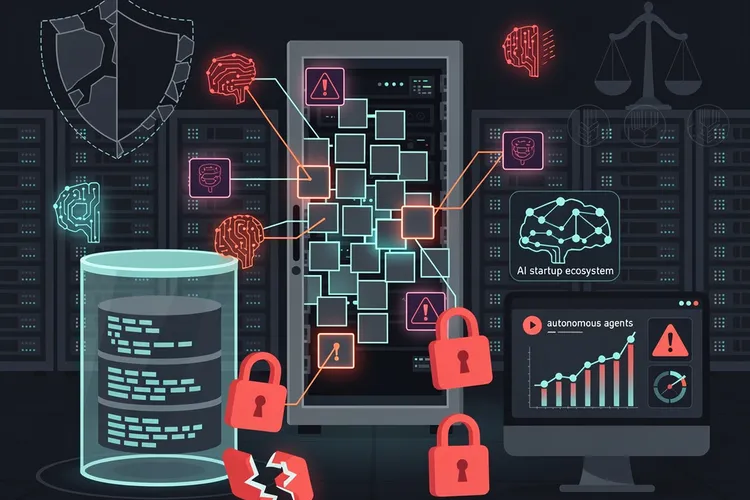
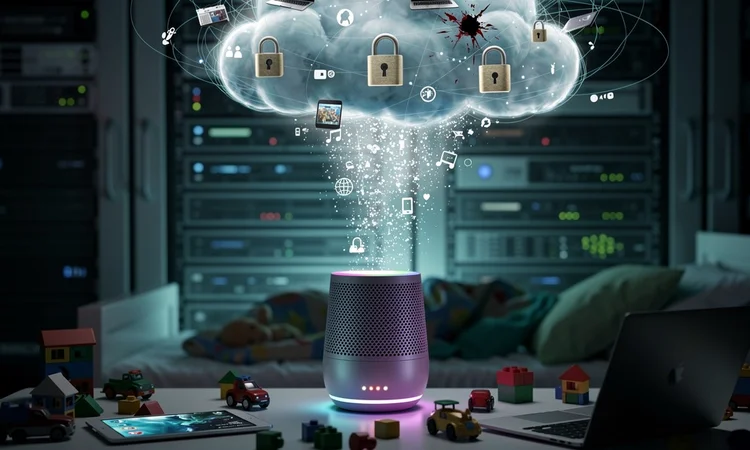
According to Wired , the breach originated from a fundamental misconfiguration in the toy’s cloud storage system. The company behind Grok had stored approximately 50,000 conversation logs in a Google Cloud Storage bucket that was inadvertently set to public access. This meant that any individual with basic knowledge of how to access cloud storage—requiring nothing more than a standard Gmail account—could view, download, and potentially exploit these deeply personal exchanges between children and what they believed was a private AI companion.
The exposed data painted an intimate portrait of childhood in the digital age. Conversations ranged from homework help and spelling practice to more sensitive topics including family dynamics, personal fears, and the kinds of vulnerable confessions children often share with trusted companions. Security researchers who discovered the breach reported finding conversations where children discussed their parents’ marital problems, disclosed information about their home addresses and daily routines, and asked questions about topics they might not feel comfortable discussing with adults.
The Architecture of a Privacy Disaster
The technical failure that enabled this exposure reveals broader systemic issues in how companies approach data security for products targeting children. The Grok toy operates through a cloud-based architecture where voice recordings are transmitted to remote servers, processed through natural language models, and then stored for what the company described as “quality improvement and personalization purposes.” This design choice, while common in modern AI applications, creates multiple points of potential vulnerability.
Cybersecurity experts have noted that the misconfiguration appears to stem from inadequate security protocols during the product’s development phase. Default settings in cloud storage platforms typically require explicit action to make buckets publicly accessible, suggesting that either the company’s developers lacked sufficient training in secure cloud architecture or that proper security audits were not conducted before the product’s commercial launch. The breach underscores how companies rushing to market with AI-enabled products may prioritize functionality and speed-to-market over fundamental security considerations.
Regulatory Implications and Legal Frameworks
This incident occurs against a backdrop of evolving regulations designed to protect children’s online privacy. The Children’s Online Privacy Protection Act (COPPA) in the United States requires operators of websites and online services directed at children under 13 to obtain verifiable parental consent before collecting personal information. The Federal Trade Commission has increasingly scrutinized connected toys and educational technology products, recognizing that the convergence of AI, cloud computing, and children’s products creates novel privacy risks that existing frameworks struggle to address.
Legal experts suggest that the Grok incident could trigger enforcement actions under multiple regulatory frameworks. Beyond COPPA violations, the company may face scrutiny under state-level privacy laws, including the California Consumer Privacy Act, which provides specific protections for minors. In Europe, where the General Data Protection Regulation imposes even stricter requirements for processing children’s data, similar products face heightened compliance obligations. The exposed conversations likely constitute sensitive personal data under GDPR definitions, potentially subjecting the company to substantial fines calculated as a percentage of global revenue.
The Broader Context of AI Toy Vulnerabilities
The Grok breach is not an isolated incident but rather the latest in a troubling pattern of security failures affecting AI-enabled children’s products. Previous incidents have demonstrated that the intersection of artificial intelligence, internet connectivity, and childhood development creates a perfect storm of privacy and security challenges. Industry observers point to similar breaches affecting other smart toys, including cases where hackers gained access to voice recordings, photographs, and personal information of millions of children.
What distinguishes the current incident is the scale of exposure and the ease with which unauthorized individuals could access the data. Unlike breaches requiring sophisticated hacking techniques, the Grok vulnerability was essentially an open door that anyone could walk through. This accessibility amplifies the potential harm, as the exposed data could be discovered not just by security researchers acting in good faith but by malicious actors seeking to exploit vulnerable populations.
Corporate Response and Accountability Measures
The company’s response to the breach has become a focal point for discussions about corporate accountability in the AI age. Initial statements acknowledged the misconfiguration and claimed that immediate steps were taken to secure the exposed data once the vulnerability was discovered. However, critical questions remain about the timeline of the exposure, how many unauthorized individuals may have accessed the conversations before the breach was detected, and what notification procedures were followed to inform affected families.
Privacy advocates have criticized what they characterize as inadequate transparency from the company. Parents whose children used the Grok toy report confusion about what specific information was exposed, whether their child’s conversations were among those accessed, and what remediation measures are being offered. The incident has reignited debates about whether companies collecting children’s data should be required to maintain more robust security protocols, undergo regular third-party audits, and face more severe penalties for failures that expose minors to potential harm.
Technical Safeguards and Industry Best Practices
Security professionals have outlined several technical measures that could have prevented this breach and should be considered baseline requirements for any product that processes children’s data. These include implementing zero-trust architecture where access to sensitive data requires continuous verification, encrypting data both in transit and at rest, conducting regular penetration testing and security audits, and maintaining strict access controls that limit who within an organization can view or modify security settings.
Industry groups have begun developing more comprehensive standards specifically for AI-enabled children’s products. These emerging frameworks emphasize privacy-by-design principles, where data protection considerations are integrated into product development from the earliest stages rather than treated as compliance checkboxes. Recommendations include minimizing data collection to only what is strictly necessary for product functionality, implementing automatic deletion protocols for conversation logs, and providing parents with granular controls over what data is collected and retained.
The Psychology of Trust and Digital Companions
Beyond the technical and legal dimensions, the Grok breach raises profound questions about the psychological impact on children who formed relationships with an AI companion they believed was private and trustworthy. Child development experts note that children often anthropomorphize AI assistants, attributing human-like qualities including discretion and loyalty. When that trust is violated through a data breach, it may affect how children perceive digital interactions and their willingness to engage authentically with educational technology.
Research into children’s interactions with conversational AI suggests that young users often disclose more personal information to digital assistants than they would share on social media or in other online contexts. This tendency toward openness, while potentially valuable for educational applications, creates heightened responsibility for companies to protect the confidences children share. The exposure of these conversations represents not just a privacy violation but a betrayal of the trust relationship that these products explicitly cultivate as part of their value proposition.
Market Implications and Consumer Confidence
The incident has sent ripples through the broader market for AI-enabled educational products and smart toys. Retailers have reported increased returns of similar products, and parent advocacy groups have called for more stringent vetting of connected toys before they reach store shelves. Investors in the educational technology sector are reassessing risk profiles for companies operating in this space, recognizing that a single security failure can generate both immediate financial liability and long-term reputational damage.
Market analysts suggest that the Grok breach may accelerate a bifurcation in the smart toy industry between premium products that emphasize security and privacy as core features, and budget offerings that may cut corners on data protection. Companies that can credibly demonstrate robust security practices and transparent data handling may find competitive advantage, while those unable to provide such assurances may face increasing skepticism from privacy-conscious consumers and institutional buyers including schools and libraries.
Moving Forward: Reimagining Children’s AI Products
The path forward requires fundamental rethinking of how AI-enabled products for children are designed, regulated, and marketed. Technical solutions exist to provide the educational benefits of conversational AI while minimizing privacy risks, including on-device processing that eliminates the need to transmit sensitive conversations to cloud servers, federated learning approaches that improve AI models without exposing individual interactions, and transparent data practices that give parents meaningful control and visibility.
Regulatory reform appears increasingly likely as policymakers recognize that existing frameworks were designed for an earlier technological era and struggle to address the unique challenges posed by AI companions for children. Proposed legislation would establish stricter security requirements, mandate regular audits, and impose more substantial penalties for violations. As artificial intelligence becomes increasingly embedded in childhood experiences, the Grok breach serves as a stark reminder that innovation must be tempered with responsibility, and that the conversations children share with digital companions deserve the same protection we would expect for any trusted confidant.






Leave a Reply
Your email address will not be published.