







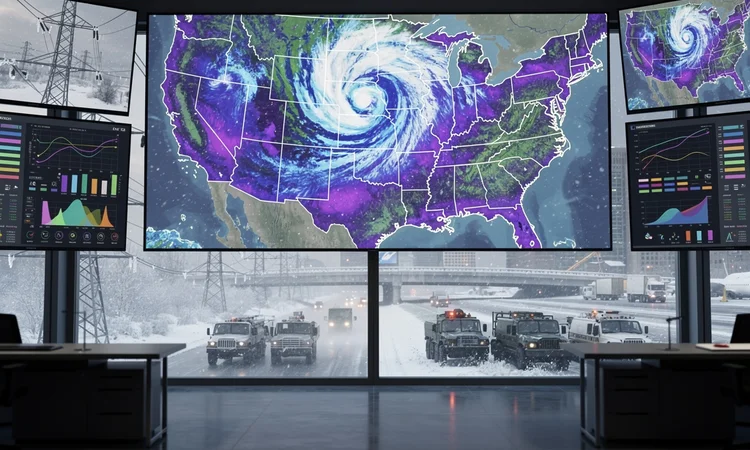
As the calendar flips to late January 2026, a colossal weather system named Winter Storm Fern is barreling toward much of the United States, promising to unleash a potent mix of heavy snow, crippling ice, and biting winds across a vast swath of the nation. Forecasts indicate this storm could affect over 230 million people, spanning from the southern Plains to the Northeast, with potential for a nor’easter that might paralyze major cities. Drawing from the latest updates, including real-time data from meteorological experts, the storm’s track has shifted northward, increasing snowfall probabilities in areas like Louisville, Kentucky, where up to 8 inches are now anticipated, according to reports from Courier Journal .
Preparations are ramping up at an unprecedented scale, with eight states activating their National Guard units to assist in response efforts. Social media platforms like X are abuzz with user posts highlighting the urgency, from warnings about power outages in Texas and Oklahoma to calls for stocking emergency kits. One such post from a weather enthusiast emphasized the storm’s cross-country reach, noting freezing rain accumulations up to an inch in Memphis, Tennessee, which could lead to widespread blackouts and hazardous travel conditions.
Businesses and governments are mobilizing resources, drawing lessons from past storms to mitigate disruptions. Airlines, including Delta, have already begun canceling flights, as detailed in a recent piece from CNET , affecting travel plans for millions over the weekend. The storm’s timing, starting January 23 and extending into the following week, coincides with peak winter vulnerability, amplifying concerns for infrastructure strain.
The Evolving Forecast and Meteorological Insights
Meteorologists are closely monitoring the storm’s shifting path, which has introduced new variables into the mix. Initial models suggested a more southern trajectory, but updated data from sources like The Weather Channel indicate a northward adjustment, potentially bringing heavier snow to the Midwest and Northeast. For instance, the I-95 corridor, including cities like New York and Philadelphia, now faces the possibility of a foot of snow followed by sleet and freezing rain, as outlined in video updates from The Weather Channel .
This uncertainty stems from complex atmospheric dynamics, including a juicy low-level moisture push interacting with arctic air masses. Experts at the National Weather Service’s Weather Prediction Center have issued widespread alerts, forecasting moderate to major impacts starting as early as the evening of January 23. Posts on X from official accounts like the NWS underscore the need for vigilance, with graphics showing projected snowfall timelines and temperature drops that could plunge areas into sub-zero conditions.
Industry insiders in the energy sector are particularly attuned to these developments, as ice accumulation poses a severe risk to power grids. Historical parallels to storms like the 2021 Texas freeze are being invoked, prompting utilities to preemptively stage repair crews and equipment. According to insights gleaned from web searches, the storm’s breadth—covering nearly 700,000 square miles—demands a coordinated response that integrates satellite imagery and ground reports for real-time adjustments.
Preparation Strategies in Key Regions
In the South, where winters are typically milder, preparations are taking on a frantic pace. States like Arkansas and Tennessee are bracing for a dangerous glaze of ice, with accumulations that could topple trees and down power lines. Local governments are urging residents to assemble emergency kits, including non-perishable food, blankets, and flashlights, as recommended in updates from USA Today . Visual documentation from preparation efforts, such as stockpiling sand and salt in warehouses, highlights the proactive stance, as captured in photo essays from Business Insider .
Moving northward, the Midwest is gearing up for heavy snowfall, with forecasts predicting 6 to 12 inches in parts of Oklahoma and Missouri. Transportation departments are deploying plows and de-icing trucks en masse, while schools and businesses prepare for closures. X posts from meteorologists like Max Velocity provide low-end accumulation scenarios to temper expectations, emphasizing safe travel amid potential whiteout conditions.
The Northeast, potentially facing the storm’s most intense phase as a nor’easter, is fortifying coastal defenses against high winds and storm surges. New York Times analyses detail snow maps and preparation guides, stressing the importance of insulating homes and securing outdoor items. Utility companies are conducting grid resilience tests, informed by past events, to minimize outages that could affect millions.
Economic Ripples and Supply Chain Challenges
The economic implications of Winter Storm Fern are profound, with industries from retail to logistics anticipating disruptions. Retailers are rushing to stock shelves with essentials like generators and bottled water, but supply chain bottlenecks—exacerbated by the storm’s wide footprint—could lead to shortages. A report from People magazine notes the storm’s impact on over 230 million Americans, shifting forecasts that have businesses recalibrating inventories on the fly, as seen in People .
In the transportation sector, the cancellation of flights and potential highway shutdowns are poised to cost billions. Delta’s preemptive measures, as reported by CNET, reflect a broader trend among carriers to avoid the chaos of stranded passengers and delayed cargo. Freight companies are rerouting shipments, but icy roads in the Ohio Valley could halt deliveries, affecting everything from groceries to medical supplies.
Energy markets are also on edge, with natural gas prices fluctuating amid fears of heightened demand for heating. Insiders point to the activation of National Guard units in eight states as a signal of the storm’s severity, with X posts from users like CryptoBlockParty detailing the cross-country scope and potential for prolonged power disruptions. This has prompted hedge funds to adjust positions, betting on volatility in commodity markets.
Community and Individual Readiness Efforts
On the ground, communities are fostering resilience through local initiatives. In Louisville, updated forecasts from the Courier Journal have spurred neighborhood groups to organize snow removal cooperatives and check on vulnerable residents, such as the elderly. Emergency management agencies, like JCHSEM on X, are disseminating graphics on snowfall amounts and kit essentials, encouraging a grassroots approach to preparedness.
Individual households are heeding these calls, with many turning to online resources for tips on winterizing vehicles and homes. The Weather Channel’s maps tracker provides interactive tools for tracking radar and alerts, empowering users to make informed decisions. Photos from Business Insider illustrate families bundling up supplies, from thermal clothing to portable chargers, underscoring a shift toward self-sufficiency in the face of potential isolation.
Moreover, educational campaigns are emphasizing mental health aspects, recognizing the stress of storm-related disruptions. Schools in affected areas are preparing virtual learning contingencies, while workplaces implement remote policies to maintain productivity. This holistic preparation mirrors strategies from previous winters, refined by data from sources like the New York Times.
Infrastructure Vulnerabilities and Long-Term Planning
Critical infrastructure faces acute risks, particularly in sectors like healthcare and transportation. Hospitals are stockpiling fuel for generators, anticipating surges in emergency room visits from slips and hypothermia cases. The storm’s ice component, as highlighted in USA Today live updates, could cripple air traffic control and rail lines, prompting federal agencies to coordinate with states.
Long-term, this event is prompting discussions on infrastructure upgrades. Experts argue for burying power lines in ice-prone regions and enhancing grid interconnectivity to prevent cascading failures. Insights from The Weather Channel’s video breakdowns reveal why unknowns persist, such as the rain/ice line’s fluctuations, which complicate planning.
Policymakers are eyeing federal aid packages, with early estimates suggesting billions in recovery costs. X sentiment reflects public anxiety, with posts warning of arctic cold fronts following the storm, potentially extending recovery timelines. This underscores the need for adaptive strategies that incorporate climate trends, as warmer oceans fuel more intense winter systems.
Technological Innovations in Storm Response
Technology is playing a pivotal role in mitigating Fern’s wrath. Advanced forecasting models, integrated with AI-driven predictions, are providing granular details on impacts. The Weather Channel’s tracker, for example, offers real-time radar and forecast timing, aiding emergency responders in resource allocation.
Drones and satellite imagery are being deployed for damage assessments, while apps notify users of alerts. In the corporate realm, companies are leveraging data analytics to predict supply disruptions, as seen in industrial reports from web sources. This tech-forward approach is transforming how insiders view storm preparedness, turning reactive measures into proactive defenses.
Looking ahead, the lessons from Fern could reshape urban planning, emphasizing resilient designs in vulnerable zones. As the storm unfolds, the blend of human ingenuity and technological prowess will determine the extent of its toll, with ongoing updates from platforms like X keeping the public informed.
Voices from the Front Lines
First responders and meteorologists are sharing frontline perspectives, painting a vivid picture of the challenges. Rob Shackelford from The Weather Channel, in video analyses, breaks down model disagreements, explaining why some areas might see rain instead of snow. These insights are crucial for insiders navigating the storm’s variables.
Community leaders, echoed in X posts, are advocating for equity in preparations, ensuring underserved areas receive aid. The activation of guards in multiple states signals a unified front, with coordination hubs monitoring developments.
Ultimately, as Fern approaches, the nation’s response showcases a tapestry of readiness, from individual actions to systemic overhauls, all aimed at weathering the tempest.






Leave a Reply
Your email address will not be published.