







Amazon’s Counterfeit Crackdown: Separating the Wheat from the Chaff in E-Commerce Warehousing
In the vast ecosystem of online retail, Amazon has long been a behemoth, handling billions of transactions and warehousing goods from countless third-party sellers. But a subtle yet significant shift is underway that could reshape how authenticity is ensured in the marketplace. As announced in a recent post on X by technology enthusiast Gerard Hughes, Amazon plans to discontinue its inventory commingling practice effective March 31, 2026. This move, aimed at curbing the influx of counterfeit products, marks a pivotal change in how the company manages fulfillment for third-party sellers.
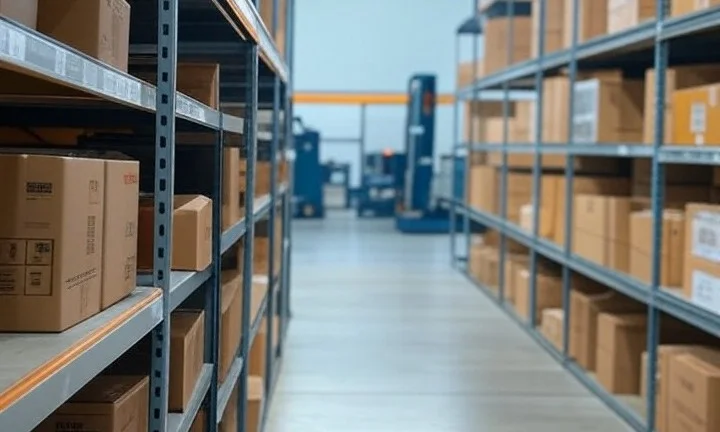
Commingling, a system where identical products from different sellers are stored together in Amazon’s warehouses, has been a double-edged sword. On one hand, it streamlines logistics, allowing faster shipping and reduced storage costs. On the other, it opens the door to fraud, as counterfeit items can easily mix with genuine ones, deceiving buyers even when purchasing from reputable sellers. Hughes’ post highlights this risk, noting that the policy change will “reduce your chance of getting counterfeits from Amazon when buying from a reliable seller.”
The decision comes amid growing scrutiny over Amazon’s role in the proliferation of fakes. Consumer watchdogs and regulators have repeatedly called out the platform for inadequate controls, with reports of everything from knockoff electronics to bogus beauty products flooding the site. By ending commingling, Amazon is essentially forcing sellers to maintain distinct inventory pools, which could make it easier to trace and isolate problematic goods.
The Historical Roots of Commingling and Its Pitfalls
The practice of commingling dates back to the early days of Amazon’s Fulfillment by Amazon (FBA) program, launched in 2006. It was designed to optimize warehouse space and expedite order fulfillment by treating identical SKUs from various sellers as interchangeable. This efficiency helped Amazon dominate e-commerce, but it also created vulnerabilities. A 2019 investigation by The Wall Street Journal revealed how counterfeiters exploited this system, sending fake goods into shared pools that ended up in customers’ hands.
Sellers have mixed feelings about the change. For legitimate vendors, it’s a welcome safeguard, ensuring their authentic products aren’t tainted by association. However, smaller sellers worry about increased costs, as they may need to ship more inventory to maintain separate stocks. Industry analysts estimate that this could raise fulfillment fees by 5-10% for some participants, potentially squeezing margins in an already competitive arena.
Beyond costs, the policy shift underscores Amazon’s broader efforts to combat counterfeits. In 2020, the company invested over $500 million in anti-counterfeiting measures, including machine learning tools to detect fakes. Yet, commingling remained a weak link until now. Hughes’ X post, which garnered over 900,000 views, amplified the news, sparking discussions among tech insiders about its implications for supply chain integrity.
Impacts on Buyers and the Broader Market
For consumers, the end of commingling promises greater confidence in purchases. No longer will buying from a trusted seller carry the hidden risk of receiving a counterfeit from a commingled batch. This is particularly crucial in categories like electronics and pharmaceuticals, where fakes can pose safety hazards. A report from the U.S. Government Accountability Office in 2018 found that 20 out of 47 items purchased from third-party sellers on Amazon were counterfeit, many likely due to shared inventory.
The change also aligns with regulatory pressures. In Europe, the Digital Services Act has pushed platforms like Amazon to enhance transparency and accountability. Similarly, in the U.S., lawsuits from brands like Nike and Apple have accused Amazon of enabling counterfeiting through lax policies. By segregating inventories, Amazon may mitigate legal risks and improve relations with brand partners.
Competitors are watching closely. Platforms like Walmart and eBay, which have their own fulfillment services, might adopt similar measures to differentiate themselves. eBay, for instance, has long emphasized authenticated listings in high-value categories, potentially gaining an edge if Amazon’s transition causes short-term disruptions.
Seller Strategies in a Post-Commingling Era
Third-party sellers, who account for over 60% of Amazon’s sales, must adapt quickly. Many are already rethinking their supply chains, opting for Amazon’s Multi-Channel Fulfillment to handle inventory across platforms without commingling. Experts from consulting firm McKinsey suggest that sellers invest in better tracking technologies, such as blockchain for provenance verification, to thrive under the new rules.
One potential upside is enhanced brand control. Luxury goods sellers, often plagued by fakes, could see a boost in consumer trust. A study by the Organisation for Economic Co-operation and Development (OECD) estimates that counterfeits cost the global economy $509 billion annually, with online marketplaces bearing much of the blame. Amazon’s move could chip away at this figure by making it harder for bad actors to infiltrate legitimate supply lines.
However, challenges loom for international sellers. Those shipping from overseas may face higher customs scrutiny and longer lead times to maintain separate stocks. Industry forums on Reddit and LinkedIn buzz with tips on navigating these hurdles, from using Amazon’s Inventory Placement Service to avoid commingling fees in the interim.
Technological Innovations Driving Change
Amazon’s decision isn’t happening in isolation; it’s bolstered by advancements in warehouse automation. Robotic systems and AI-driven sorting can now efficiently manage segregated inventories without the efficiency losses of the past. In fact, Amazon’s recent upgrades to its fulfillment centers, detailed in a 2025 earnings call, include enhanced barcode scanning to track seller-specific lots.
This tech infusion could set a new standard for e-commerce logistics. Rivals like Shopify are experimenting with similar segregated models in their fulfillment networks, aiming to attract sellers disillusioned with Amazon’s dominance. A piece in Bloomberg notes how antitrust concerns have prompted Amazon to refine its practices, including this commingling overhaul.
Moreover, consumer advocacy groups applaud the shift. The Counterfeit Report, an organization tracking fakes, has long criticized commingling as a “counterfeiter’s dream.” Their data shows a 15% drop in reported fakes on platforms that avoid shared inventory, suggesting Amazon could see similar improvements.
Global Ramifications and Future Outlook
On a global scale, this policy could influence trade dynamics. Countries like China, a major source of counterfeits, might see reduced exports to Amazon if sellers can’t easily mingle fakes with genuine items. Trade experts predict a ripple effect, with increased demand for verified suppliers and potentially higher prices for authenticated goods.
Looking ahead, Amazon may integrate more stringent verification processes, such as mandatory serial number tracking for high-risk categories. This echoes initiatives like Project Zero, launched in 2019, which empowers brands to remove suspected counterfeits directly. Combining this with segregated inventory could create a formidable barrier against fraud.
Yet, skeptics argue that without broader enforcement, counterfeits will simply migrate to other platforms or methods. A 2024 analysis by Financial Times warns that while Amazon’s move is progressive, it addresses symptoms rather than root causes like weak intellectual property laws in sourcing countries.
Economic Implications for Amazon and Beyond
Financially, the change could impact Amazon’s bottom line. While it may incur short-term costs for reconfiguring warehouses, long-term benefits include reduced returns and lawsuits. Analysts at Morgan Stanley project a 2-3% uplift in customer satisfaction scores, potentially driving repeat business.
For the wider retail sector, this sets a precedent. Brick-and-mortar giants like Target, which partner with Amazon for online sales, might demand similar authenticity guarantees. The shift also highlights the growing role of data analytics in combating fakes, with AI tools scanning for anomalies in seller behavior.
In conversations on X, users like Hughes emphasize the consumer win, but some sellers voice concerns over complexity. One thread discusses how this could favor larger vendors with robust supply chains, potentially consolidating market power further.
Navigating the Transition: Advice for Stakeholders
As March 31, 2026, approaches, sellers are advised to audit their inventories and communicate with customers about authenticity. Tools like Amazon’s Brand Registry can help protect trademarks during the transition.
Consumers, meanwhile, should continue verifying sellers through reviews and certifications. Organizations like the Better Business Bureau recommend checking for UL listings on electronics to ensure safety.
Ultimately, this policy evolution reflects Amazon’s maturation as a marketplace guardian. By prioritizing segregation over commingling, it aims to foster a more trustworthy environment, benefiting all players in the long run.
Voices from the Industry and Final Reflections
Industry insiders, including former Amazon executives, view this as a necessary pivot. In an interview with CNBC , one expert noted that “commingling was efficient but flawed; separation is the future of secure e-commerce.”
Echoing this, posts on X reveal a mix of optimism and caution, with users sharing strategies for adaptation. As Amazon refines its operations, the true test will be in execution, ensuring that efficiency isn’t sacrificed for security.
This transformation, sparked by persistent counterfeit issues, could redefine standards across digital marketplaces, ushering in an era where authenticity is not just promised but structurally enforced.






Leave a Reply
Your email address will not be published.