



The Snow King’s Conquest: How Mixue Stormed New York and Redefined Fast Food Dominance
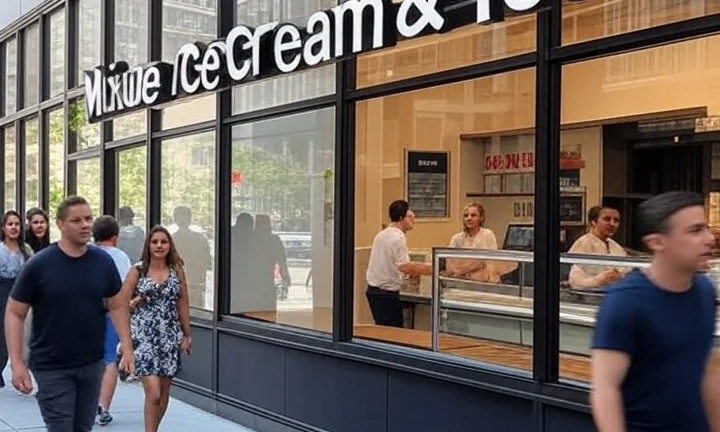
In the bustling streets of New York City, where culinary trends rise and fall with the seasons, a new player has emerged not with fanfare but with an avalanche of affordability and global scale. Mixue Ice Cream & Tea, the Chinese behemoth that quietly claimed the title of the world’s largest restaurant chain by store count, made its U.S. debut in late 2025, but it’s the 2026 openings in Manhattan that have truly captured attention. With over 50,000 locations worldwide—surpassing giants like McDonald’s and Starbucks—Mixue’s arrival signals a shift in the fast-food arena, driven by ultra-low prices and a franchise model honed in Asia’s competitive markets. Visitors to the new Koreatown outpost on 32nd Street are greeted by lines snaking around the block, even in January’s chill, all for a $1 soft-serve cone or a $2 bubble tea.
The chain’s mascot, the cheerful Snow King, adorns everything from signage to packaging, embodying Mixue’s playful yet aggressive expansion strategy. Founded in 1997 by Zhang Hongchao as a humble shaved ice stand in Zhengzhou, China, the company exploded through franchising, reaching 36,000 stores in China alone by 2023 and expanding internationally to places like Vietnam, Indonesia, and now the U.S. According to a report from Fortune , Mixue’s growth is fueled by a low-cost model where franchisees pay minimal fees and source ingredients centrally, allowing prices that undercut competitors. In New York, this translates to menu items like lemon tea for $1.99 or mango pomelo sago for $3.49, drawing crowds weary of inflation-hit alternatives.
But beyond the bargains, Mixue’s NYC foray reveals deeper insights into consumer behavior and market dynamics. Early reviews highlight the chain’s no-frills vibe: bright red-and-white interiors, self-service kiosks, and a menu focused on fresh teas, fruit-infused drinks, and creamy soft serves. One patron, quoted in a recent post on X, described the experience as “a taste of China’s street food revolution right in Manhattan—affordable, quick, and surprisingly addictive.” This sentiment echoes broader trends, where value-driven dining is resurgence amid economic pressures.
Unpacking the Hype: Lines, Flavors, and First Impressions in NYC
Venturing into the Canal Street location, opened just before Christmas 2025, reveals a space optimized for high throughput. The store’s layout prioritizes efficiency, with minimal seating and a focus on takeout, mirroring Mixue’s global blueprint. A hands-on review from Business Insider details the menu’s highlights: the signature Snow King Sundae, a towering mix of soft serve, fruits, and toppings for under $4, which tasters praised for its light, non-dairy texture that avoids the heaviness of American ice creams. The oolong tea, at $2.48, sold out daily during the opening week, underscoring demand for authentic Asian flavors.
Critics and insiders note that while the quality isn’t gourmet, it’s consistent and fresh—key to Mixue’s appeal. As reported in Grub Street , lines formed not just for novelty but for the sheer value; one reviewer waited 45 minutes for a $1 cone, declaring it “worth the frostbite.” This enthusiasm is amplified on social platforms, where X users have shared videos of the opening parade featuring caped Snow King mascots marching through Koreatown, generating over 500,000 views in one post alone. Such viral moments highlight how Mixue leverages cultural spectacle to build buzz without massive marketing budgets.
For industry observers, Mixue’s entry poses questions about sustainability. The chain’s model relies on volume over margins, with average tickets around $5—far below Starbucks’ $7-plus averages. Yet, as Restaurant Business points out, this approach has propelled Mixue to 50,000 units globally, with rapid U.S. expansion planned. After Los Angeles and New York, sources indicate targets for San Francisco and Chicago by mid-2026, aiming to capitalize on urban density and immigrant communities familiar with the brand.
From Zhengzhou Streets to Global Giant: The Mixue Origin Story
Delving into Mixue’s roots offers clues to its meteoric rise. Zhang Hongchao, while still a university student, started with a single stall selling shaved ice, evolving it into a franchised empire by emphasizing affordability and accessibility. By 2018, the company went public in Hong Kong, raising funds to fuel international growth. A profile in Fortune details how Zhang’s brother, Zhang Hongfu, joined to streamline operations, creating a supply chain that keeps costs low through bulk purchasing and proprietary recipes.
This foundation has allowed Mixue to thrive in diverse markets. In Southeast Asia, it adapted menus to local tastes, incorporating durian or pandan flavors. Now, in the U.S., early adaptations include English signage and cashless payments, though the core remains unchanged. Reviews from Time Out New York commend this authenticity, noting that the bubble teas rival those from specialized shops but at half the price. However, challenges loom: navigating U.S. regulations on food imports and labor could strain the low-cost model.
Expansion details, gleaned from recent news on the web, suggest Mixue aims for 100 U.S. stores by 2027, focusing on high-traffic areas. A Yahoo News article outlines the strategy: partner with local franchisees to mitigate risks, much like its Asian playbook. In NYC, the second location on 32nd Street opened to even larger crowds, with X posts reporting hour-long waits and sold-out items, indicating strong initial traction.
Competitive Pressures: Shaking Up McDonald’s and Starbucks
Mixue’s pricing disrupts established players. McDonald’s, with its $1 cones, now faces a rival offering similar items plus teas and health-oriented drinks. Starbucks, battling its own affordability issues, sees a direct threat from Mixue’s $2 lattes. As covered in Daily Mail , analysts predict Mixue could capture market share from value segments, especially among Gen Z consumers prioritizing budget over brand prestige.
Industry insiders point to Mixue’s data-driven approach: using app integrations for loyalty programs, even in nascent U.S. markets. A report from Eat This, Not That highlights how the chain’s digital ordering system, tested in China, reduces wait times and boosts throughput. In NYC reviews, users appreciate the seamless experience, though some note the lack of ambiance compared to upscale cafes.
Broader implications extend to supply chains. Mixue’s reliance on Chinese-sourced ingredients could spark trade debates, especially amid geopolitical tensions. Yet, as Restaurant Dive reports, the company is localizing production, partnering with U.S. suppliers for dairy and fruits to comply with standards and appeal to health-conscious Americans.
Consumer Sentiment and Future Trajectories: Insights from the Ground
On-the-ground feedback from NYC patrons reveals mixed but mostly positive vibes. Many praise the inclusivity—affordable treats for families and students—while others critique the sweetness levels, suggesting tweaks for Western palates. X chatter, including posts from influencers, amplifies this: one viral thread with over 100,000 views debates whether Mixue’s model can sustain in high-rent NYC, with users sharing photos of overflowing trash bins from the crowds.
Looking ahead, Mixue’s 2026 plans include menu innovations like seasonal U.S.-inspired flavors, such as pumpkin spice teas, to blend cultures. According to updates from Mashed , the chain is among those poised for significant changes, potentially including drive-thrus in suburban expansions. This adaptability, honed from dominating China’s cutthroat market, positions Mixue as a formidable force.
For restaurant executives, Mixue exemplifies how global scale can infiltrate mature markets. Its success in NYC, with daily sales reportedly exceeding expectations per Grub Street, underscores a formula of volume, value, and velocity. As the Snow King continues its march, it may well redefine what “biggest” means in fast food, challenging incumbents to innovate or risk being left in the cold.
Economic Ripples: Broader Impacts on the Industry Ecosystem
The influx of Mixue stirs economic waves beyond immediate competition. Real estate in areas like Koreatown sees renewed interest, with landlords eyeing similar low-overhead concepts. Franchise consultants, as noted in Restaurant Business, are fielding inquiries from entrepreneurs drawn to Mixue’s low entry barriers—startup costs under $100,000 versus millions for some U.S. chains.
Labor dynamics also shift: Mixue’s efficient operations require fewer staff, potentially pressuring wages in the sector. Yet, it creates jobs in supply and logistics, fostering a new ecosystem. Consumer advocates hail the affordability as a win against food inflation, with reviews in Business Insider emphasizing how it democratizes treats once seen as luxuries.
Ultimately, Mixue’s story is one of quiet ambition turning into global resonance. From a student’s stall to NYC’s newest sensation, it embodies resilience and reinvention, offering lessons for any chain eyeing international horizons. As 2026 unfolds, watch for Mixue to not just expand but evolve, potentially setting new benchmarks for accessibility in an industry ripe for change.






Leave a Reply
Your email address will not be published.