




As artificial intelligence surges forward and quantum computing looms on the horizon, chief technology officers confront an unrelenting barrage of technological shifts that threaten to upend corporate operations. A CTO Magazine analysis warns that by 2030, over 85 million jobs could go unfilled globally due to skills mismatches in cybersecurity, data analytics and cloud computing, exacerbated by innovations outpacing education systems. Meanwhile, technical debt hampers agility, with more than 20% of assets mired in outdated code, according to a McKinsey report on consumer sector tech leaders.
Legacy systems integration poses another formidable barrier. Enterprises struggle to mesh cutting-edge AI with entrenched infrastructure, risking disruptions and ballooning remediation costs that stretch years. “By 2025, more than 91% of CTOs believe that technical debt slows down the adoption of new technologies,” notes a AVI Latinoamérica piece citing industry surveys. This friction stifles scalability, forcing executives to balance immediate business needs against long-term modernization.
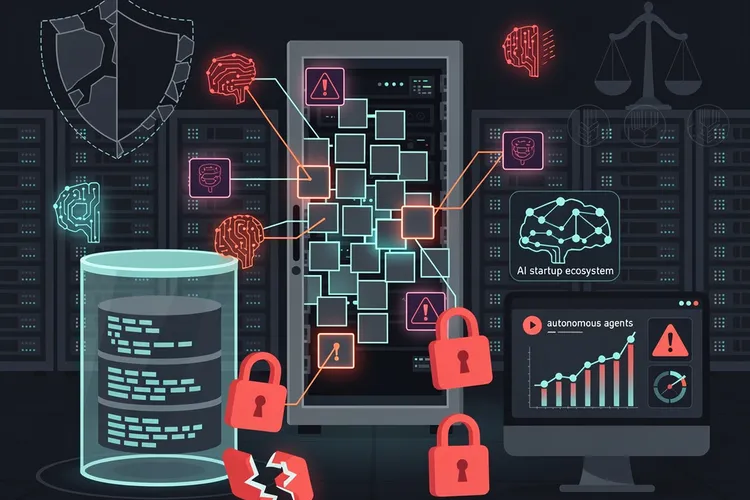
Cybersecurity demands intensify amid AI proliferation. Vulnerabilities span servers, cloud services, IoT devices and AI models themselves, with sophisticated threats leveraging the same tools defenders employ. A The CTO Club compilation highlights cyber resiliency as paramount, quoting Brian Spanswick, CIO and CISO at Cohesity: “Cyber Resiliency needs to be a primary objective of every organization – not just protecting your organization from a breach but having the ability to rapidly recover if breached.”
Cyber Vulnerabilities Multiply in AI Era
Generative AI amplifies risks by enabling real-time threat detection but also empowering attackers. McKinsey urges proactive measures: “Some consumer players have taken a proactive approach to cybersecurity by adopting advanced threat detection and response systems, improving employee data privacy training, and collaborating with cybersecurity firms to conduct vulnerability assessments.” Guardrails like fairness toolkits to debias models and masking personally identifiable information before large language model inputs are essential.
Talent acquisition compounds these woes. A persistent shortage grips emerging fields, with ISC2 reporting mere 0.1% year-over-year cybersecurity workforce growth in 2024 amid budget cuts. Rob Kim, CTO at Presidio, laments in InformationWeek : “Challenges include the scarcity of skilled professionals in emerging technologies [including] Gen AI, data/lake house modernization and cybersecurity.” Outsourcing rates hover at 40-50% in retail, draining in-house expertise.
Information overload from hype further muddles priorities. CTOs must sift genuine value from fleeting trends, justifying investments amid fiscal scrutiny. Budget balancing remains acute, as AI-driven cloud expenses soar unpredictably.
Talent Wars Demand Bold Reskilling Plays
To counter shortages, leaders pivot to upskilling. Amazon’s Upskilling 2025 initiative trains 100,000 employees in AI, machine learning and cloud computing for higher-paying roles, per CTO Magazine. McKinsey advocates insourcing: “Strategically insource tech talent to retain intellectual property, reduce costs by up to 50%, and increase tech release speed by 50% annually.” Partnerships with startups and academia accelerate access to expertise.
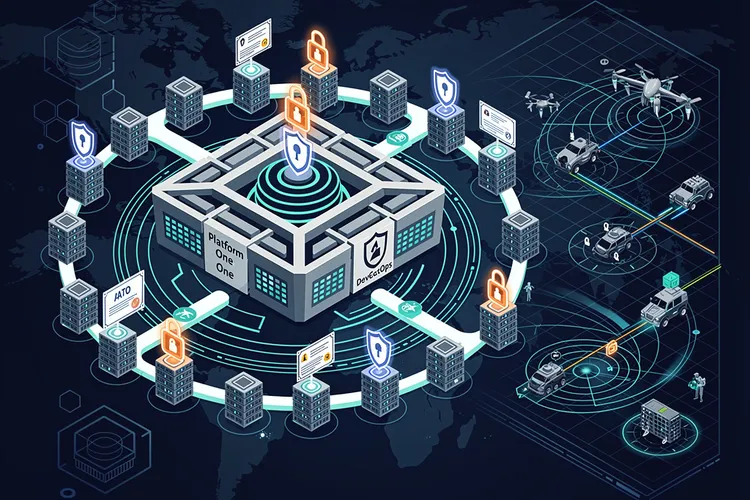
Agile methodologies and scalable architectures prove vital. DevOps and cloud-native microservices enable flexibility, while modular designs facilitate legacy integration without operational halts. Data-driven decisions via analytics forecast trends, prioritizing high-ROI innovations aligned to core goals.
Cultural shifts foster adaptability. Continuous learning via workshops, certifications and mentorship builds resilient teams. As Sreedhar Kajeepeta, CTO at Innova Solutions, states in The CTO Club: “A human-in-the-loop approach will be crucial to ensure ethical and responsible AI usage.”
Architectures Evolve to Bridge Old and New
Proactive cybersecurity frameworks incorporate AI-powered defenses and regular audits. Gartner analyst Nick Jones reveals in CIO.com that over a third of CTOs lack clear CEO vision: “It was surprising that over a third of CTOs we surveyed felt they weren’t getting clear vision and guidance.” Execution authority empowers delivery, as Anurag Dhingra, SVP engineering and CTO at Webex, affirms: “I’m on the hook to deliver value… Where CTOs have execution responsibility and not just vision makes [the job] easier.”
Federated AI centers of excellence standardize practices while empowering business units. McKinsey notes gen AI can halve product development documentation and coding time, with baselines measuring productivity gains. Platforms treating data as products—complete with owners and APIs—slash implementation hurdles.
User adoption hinges on change management. Embedding tech in business agendas merges metrics, like tying AI promotions to sales volume, ensuring innovations solve real pain points without workflow disruptions.
Strategic Alliances Fuel Innovation Edge
Jim Broome, president and CTO at DirectDefense, warns in InformationWeek of burnout from skill demands: “This all requires more staff with advanced skill sets and an ability to learn and adapt to constant changes, which can lead to burnout.” Competitive compensation, flexible arrangements and inclusive cultures retain talent.
Forward-looking CTOs eye quantum threats, per Softtek’s white paper on 2025 challenges, preparing for disruptions in encryption and simulations. Vendor reassessments favor insourcing commoditized tasks, reserving specialists for differentiation.
Ultimately, triumph demands focusing on business value. As X posts from tech leaders like Arpit Bhayani emphasize, bottlenecks lie in processes, not code: “The real drag is non-tech stuff – planning, periodic status updates, cross-team coordination.” CTOs mastering this forge resilient enterprises amid ceaseless change.






Leave a Reply
Your email address will not be published.