






The Algorithmic Squeeze: How Instacart’s AI Pricing Sparked an FTC Showdown
In the bustling world of online grocery delivery, where convenience meets cutting-edge technology, Instacart has long positioned itself as a innovator, leveraging artificial intelligence to streamline shopping experiences. But recent revelations about its AI-driven pricing mechanisms have thrust the company into the regulatory spotlight. Reports indicate that the U.S. Federal Trade Commission (FTC) is now investigating whether these tools unfairly manipulate prices, potentially harming consumers in an era of escalating food costs. This probe comes amid growing scrutiny of how tech platforms use data to personalize—and possibly inflate—prices for everyday essentials.
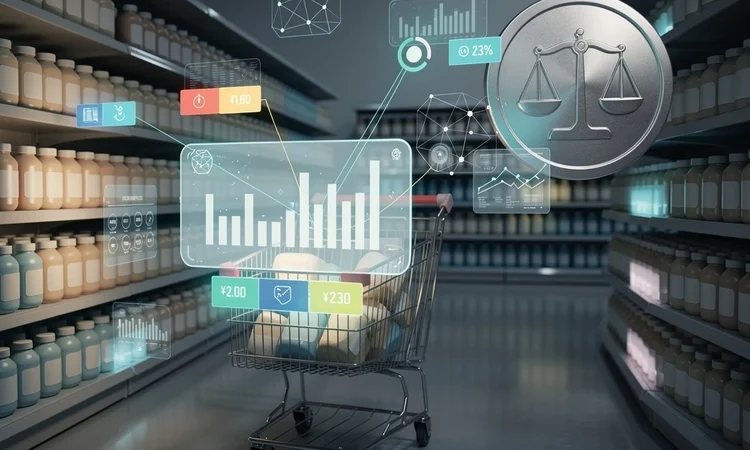
The controversy erupted following a joint investigation by Consumer Reports and the Groundwork Collaborative, which uncovered discrepancies in pricing for identical items across different user accounts. Shoppers reported variations of up to 23% for the same groceries at the same stores, raising alarms about algorithmic discrimination. Instacart, which partners with major retailers like Kroger and Costco, insists its pricing experiments are designed to optimize promotions and inventory, but critics argue they exploit consumer data to maximize profits.
As inflation pinches household budgets, the timing of this investigation couldn’t be more poignant. With groceries accounting for a significant portion of American spending, any hint of price gouging via AI draws immediate ire. The FTC’s involvement signals a broader crackdown on dynamic pricing practices that could border on anticompetitive behavior, echoing past probes into tech giants like Amazon.
Unpacking the AI Pricing Engine
At the heart of the matter is Instacart’s acquisition of Eversight, an AI pricing optimization firm, in 2022. This move allowed the company to deploy sophisticated algorithms that test prices in real-time, adjusting them based on factors like user history, location, and demand. According to a report from TechCrunch , these tools have attracted attention for their potential to create “surveillance pricing,” where personal data informs what you pay for milk or bread.
Public sentiment on platforms like X has amplified the backlash. Posts from users and advocacy groups highlight frustrations, with one viral thread from More Perfect Union detailing how Instacart’s patents enable consumer segmentation by behavior and demographics. This isn’t random variation; it’s a calculated system that could charge frequent buyers more, assuming they’ll tolerate higher costs.
Lawmakers have taken notice. Senate Majority Leader Chuck Schumer called for FTC action last week, citing concerns over inflated bills for working families. As reported in Long Island Business News , Schumer emphasized the need to protect consumers from hidden AI manipulations that exacerbate economic inequality.
Regulatory Ripples and Market Reactions
The FTC’s civil investigative demand, as first revealed by Reuters , seeks detailed information on how Instacart’s AI determines prices. Sources familiar with the matter suggest the agency is examining whether these practices violate antitrust laws by enabling price discrimination without transparency. This isn’t the FTC’s first foray into AI oversight; under Chair Lina Khan, the commission has ramped up efforts to curb tech monopolies, viewing personalized pricing as a modern form of collusion.
Instacart’s stock took a hit following the news, dropping nearly 11% in after-hours trading. Investors are wary, recalling similar plunges when other firms faced regulatory heat. A piece in CNBC noted that the company’s shares slid amid reports of the probe, underscoring Wall Street’s sensitivity to government interventions in AI-driven business models.
Beyond the immediate financial fallout, this investigation reignites debates about data privacy in retail. Instacart collects vast amounts of user information—purchase histories, browsing patterns, even device types—to feed its algorithms. Critics, including Senator Elizabeth Warren, argue this creates an uneven playing field, where low-income shoppers might face steeper prices based on inferred ability to pay. Warren’s comments on X echoed this, labeling it a secret scheme to pad corporate profits at consumers’ expense.
The Broader Implications for Retail Tech
Delving deeper, the Consumer Reports study, published earlier this month, tested thousands of transactions and found consistent price variances tied to user profiles. For instance, one account might see eggs at $3.99, while another pays $4.89 for the same carton. This isn’t mere A/B testing; it’s a system that could systematically disadvantage certain demographics, according to the report available on Consumer Reports .
Industry insiders point out that Instacart isn’t alone. Competitors like DoorDash and Uber Eats employ similar dynamic pricing, but Instacart’s integration with physical stores adds a layer of complexity. A recent analysis in Retail Brew discusses how a new Senate bill aims to crack down on such “surveillance pricing,” potentially mandating disclosures about algorithmic decisions.
On X, discussions from tech analysts like David Dayen highlight historical precedents. Dayen referenced his own prior reporting, noting that AI removes the guesswork from pricing, allowing companies to extract maximum value from each customer. This personalization, while efficient, borders on exploitation when not transparent, fueling calls for stricter regulations.
Consumer Backlash and Corporate Defenses
Shoppers are voicing outrage across social media, with posts decrying Instacart’s practices as a digital form of redlining. One widely shared New York Post cover story, linked via X, exposed how the algorithm charges different prices in the same stores, prompting a wave of user testimonials about unexpected bill hikes. The Street Insider echoed Reuters’ findings, confirming the FTC’s focus on Eversight’s technology.
Instacart defends its approach, stating in public filings that pricing tests help retailers manage stock and offer deals. Company spokespeople have downplayed the variations as experimental, not discriminatory. Yet, as detailed in Investing.com , a months-long probe by advocacy groups led to lawmakers’ demands for accountability, including Schumer’s push for an FTC deep dive.
This defense rings hollow for many, especially as economic pressures mount. With food prices up 25% since 2019, per government data, any tool that potentially inflates costs draws scrutiny. The FTC’s investigation could set precedents for how AI is used in pricing across sectors, from airlines to e-commerce.
Policy Horizons and Future Safeguards
Looking ahead, the probe may influence upcoming legislation. A bill introduced in the Senate seeks to ban opaque AI pricing without consumer consent, building on findings from reports like those in WebProNews , which highlighted 23% discrepancies based on user data. Such measures could require companies to reveal when prices are personalized, fostering trust in digital marketplaces.
Experts argue this is part of a larger shift toward ethical AI deployment. As one X post from a financial analyst noted, Instacart’s stock dive reflects broader market fears of regulatory overreach, yet it also underscores the need for balanced innovation. The company’s patents on consumer segmentation, as exposed in investigations, reveal a sophisticated web of data usage that prioritizes revenue over fairness.
For industry players, the lesson is clear: transparency isn’t optional. As the FTC digs deeper, Instacart may need to overhaul its systems, potentially sharing more about how algorithms work. This could ripple to partners like grocery chains, forcing a reevaluation of tech integrations.
Navigating the Ethical Maze
The human element remains central. Families relying on Instacart for affordability feel betrayed by hidden price hikes. Advocacy groups like More Perfect Union have mobilized, using X to spread awareness and push for change. Their threads detail not just online discrepancies but extensions to in-store pricing via apps, blurring digital and physical retail boundaries.
Regulators face a challenge: balancing innovation with protection. The FTC’s track record under Khan suggests a tough stance, possibly leading to fines or mandated changes. As reported across sources, this isn’t isolated; it’s symptomatic of tech’s encroachment into daily commerce.
Ultimately, the outcome could redefine pricing ethics in the AI age. For Instacart, adapting to scrutiny might mean more equitable tools, ensuring technology serves shoppers, not just shareholders. As debates evolve, one thing is certain: the days of unchecked algorithmic pricing may be numbered, paving the way for a more transparent retail future.






Leave a Reply
Your email address will not be published.