




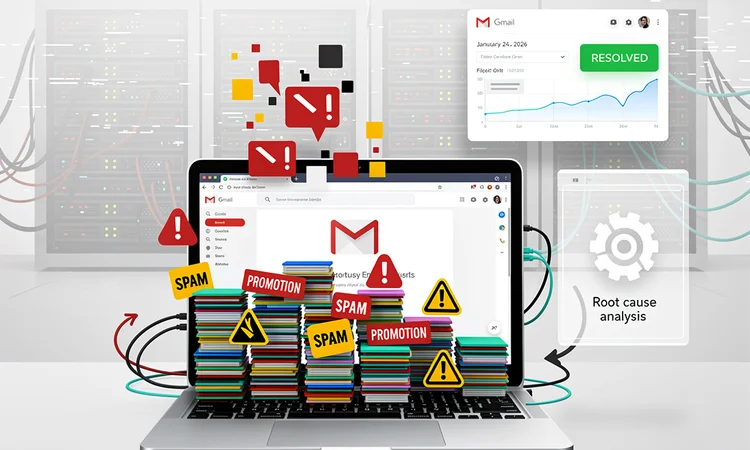
On January 24, 2026, Gmail’s vaunted spam filters faltered, unleashing a torrent of promotional emails and misplaced messages into users’ primary inboxes. What began as scattered complaints on social media platforms like Reddit and X quickly escalated into a global disruption, affecting millions and exposing vulnerabilities in one of the world’s most relied-upon email systems.
Users reported promotional blasts from retailers, LinkedIn notifications, and even potential phishing attempts bypassing their designated tabs to overwhelm primary inboxes. Banners warning “Be careful with this message. Gmail hasn’t scanned this message for spam, unverified senders, or harmful software” appeared on legitimate correspondence, sowing confusion over message safety. Delays in email delivery compounded the chaos, hindering two-factor authentication codes for logins.
Outage Timeline Unfolds Rapidly
The incident kicked off at 5:02 a.m. Pacific Time, as documented on Google Workspace Status Dashboard . By morning, spikes lit up Downdetector maps, with users venting frustration over flooded notifications. Google engineers sprang into action, issuing periodic updates promising resolutions within hours.
One X user decried the “absolute e-mail armageddon,” while Reddit threads buzzed with reports of spam slipping through unchecked. PCMag noted LinkedIn alerts and newsletters invading primary views, a breach of the tabbed system introduced in 2013 to segregate marketing noise.
By 9:55 p.m. Pacific that evening, Google declared the classification issue resolved, though residual warnings might linger on pre-fix messages. “The issue with Gmail email classification is resolved,” the dashboard stated, pledging a full incident analysis post-investigation.
User Havoc Hits Businesses and Individuals
For professionals, the glitch dismantled inbox organization, with updates and social tabs emptying as content piled into primary. TechRepublic estimated impacts on Gmail’s 1.8 billion users, dismantling the tabbed feature that shields key messages since 2013. Legitimate emails from trusted senders triggered false security flags, blurring lines between safe and suspicious.
Two-factor authentication snags arose from delivery lags, stranding users mid-login. Engadget highlighted how promotional deluges rendered notifications unusable, echoing Downdetector surges. Businesses saw distorted marketing metrics, as open rates skewed from misplaced campaigns.
Google urged caution: “We advise the users to be extra diligent in lieu of missing spam checks,” per Workspace updates. A spokesperson told Engadget , “we encourage users to follow standard best practices when engaging with messages from unknown senders.”
Behind Gmail’s AI Shield
Gmail typically thwarts 99.9% of spam, malware, and links, processing 15 billion unwanted messages daily, according to TechRepublic. Machine learning analyzes content, sender reputation, and user behavior to sort into Primary, Promotions, Social, and Updates. Saturday’s failure halted these checks, allowing junk through unchecked.
The timing raised eyebrows amid Gmail’s bulk sender crackdown, ramped up two months prior with server-level rejections for non-compliant emails. PCMag’s coverage recalled the 2013 tabbed inbox debut, designed precisely to tame promotional floods now unleashed anew.
TechRadar detailed misplacements across tabs, with some spam masquerading as legit. PCMag quoted users deleting frantically, as filters failed to route marketing to Promotions.
Google’s Swift but Silent Fix
Resolution came within 17 hours, faster than many outages, but without root cause disclosure. The Workspace dashboard chronicled updates from 4:34 p.m. UTC onward, culminating in thanks for patience. Engineers investigated misclassification triggering extra warnings and delays.
Post-fix, users could drag emails to correct tabs, training Gmail manually. The Verge reported complaints tapering by afternoon, confirming the short-lived scope. Google committed to publishing an analysis, leaving insiders awaiting details on the trigger.
Residual effects prompted advice to scrutinize old messages. Mimestream, a Gmail client, alerted users to misroutings and delays, directing to the status page.
Implications for Email Reliability
This episode underscores fragility in AI-driven filtering at scale. With email central to workflows, even brief lapses amplify risks—phishing clicks amid confusion, lost productivity from clutter. TechCity noted global reach, branding filters “broken” or “busted” on social media.
For enterprises on Workspace, disruptions echoed personal accounts, though some reported variances. Hacker News threads speculated on glitches, with users marking spam manually to retrain filters.
As Google probes deeper, the incident spotlights dependencies on automated defenses. Users, meanwhile, rebuild order, a reminder that even robust systems demand vigilance.






Leave a Reply
Your email address will not be published.