



McDonald’s Bets Big on Fiber, Spice, and Sips: Decoding the Fast-Food Giant’s 2026 Playbook
As the fast-food industry navigates shifting consumer tastes amid economic pressures, McDonald’s Corp. is positioning itself at the forefront of emerging trends. Chief Executive Chris Kempczinski recently outlined three pivotal directions for 2026: a surge in fiber-rich offerings, the fusion of sweet and spicy flavors, and a wave of beverage creativity. This forecast, shared during a company event, builds on Kempczinski’s track record of accurate predictions, such as the rise of plant-based options and global flavor infusions in previous years. Industry observers note that these trends could reshape menus not just at McDonald’s but across the quick-service restaurant sector, influencing everything from supply chains to marketing strategies.
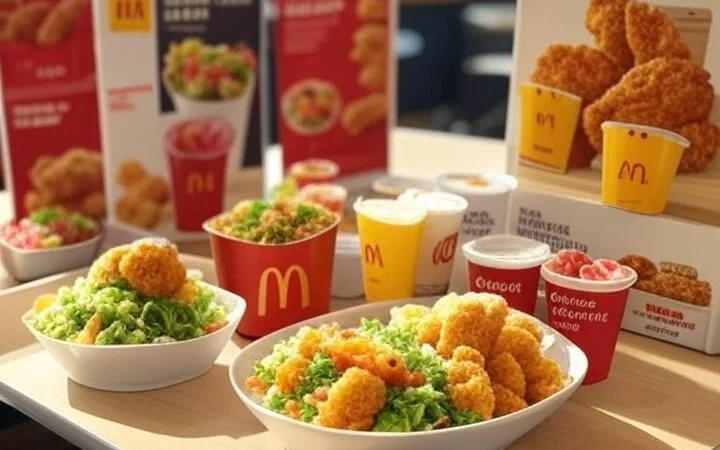
Kempczinski’s insights stem from extensive market analysis, including consumer data and competitive benchmarking. For instance, fiber-focused products are gaining traction as health-conscious diners seek gut-friendly options without sacrificing convenience. This aligns with broader nutritional shifts, where ingredients like oats, chia seeds, and psyllium husk are being integrated into everyday meals. McDonald’s plans to experiment with high-fiber buns, salads, and even breakfast items, potentially boosting average ticket sizes by appealing to wellness-oriented customers who might otherwise opt for rivals like Subway or Chipotle.
The sweet-and-spicy combination, meanwhile, taps into a growing appetite for bold, contrasting tastes. Think mango-habanero sauces or honey-sriracha glazes on classic items like chicken nuggets or burgers. This trend draws from global cuisines, particularly Asian and Latin American influences, which have seen increased popularity in the U.S. market. Kempczinski highlighted how such flavors can drive repeat visits, as they offer novelty without alienating core audiences accustomed to familiar staples.
Fiber’s Rise: From Niche Nutrient to Menu Mainstay
Delving deeper into the fiber trend, experts point to rising awareness of digestive health, fueled by post-pandemic wellness booms and the popularity of GLP-1 medications like Ozempic, which emphasize balanced diets. According to a report from Good Housekeeping , fiber innovations will dominate 2026 nutrition habits, with consumers demanding more soluble and insoluble fibers in convenient formats. McDonald’s could leverage this by reformulating its McMuffin or introducing fiber-packed smoothies, addressing criticisms of its menu’s nutritional profile.
Supply chain implications are significant. Sourcing high-quality fiber ingredients at scale requires partnerships with agricultural suppliers, potentially increasing costs but also opening doors to sustainable farming narratives. Industry insiders suggest this could lead to collaborations with companies like Kellogg’s or General Mills, integrating branded fiber elements into limited-time offerings. Kempczinski’s prediction echoes sentiments in a Fox Business article, where he emphasized fiber’s role in making fast food feel more premium and health-aligned.
Critics, however, warn of execution challenges. Not all fiber additions enhance taste or texture—overdo it, and items become dense or unappealing. McDonald’s history with menu tweaks, such as the 2024 burger upgrades involving softer buns and more sauce as detailed in posts on X, shows a willingness to iterate based on feedback. This iterative approach could be key to successfully embedding fiber without alienating value-driven customers facing inflation.
Sweet Heat: Igniting Palates with Contrasting Flavors
The sweet-and-spicy trend represents a sensory adventure, blending comfort with excitement. As per Kempczinski’s comments reported in Business Insider , this flavor profile is set to “reign supreme,” building on successes like the 2023 introduction of sweet and spicy jam sauce, which drew from regional American barbecue traditions. Such innovations have proven viral on social platforms, with X users buzzing about McDonald’s past spicy McMuffin launches and sauce experiments.
Globally, this trend mirrors a fusion food movement. In markets like India and Mexico, sweet-spicy combos are staples, and McDonald’s has tested localized versions, such as spicy paneer wraps or chili-lime fries. For 2026, expect expansions like a sweet-spicy Big Mac variant or dessert items with a kick, potentially increasing foot traffic during off-peak hours. Data from DNyuz underscores Kempczinski’s personal commitment, noting he dines at McDonald’s multiple times weekly to stay attuned to these shifts.
Marketing plays a crucial role here. By tying sweet-spicy items to cultural events or collaborations—think partnerships with hot sauce brands like Tabasco—McDonald’s can amplify buzz. However, balancing heat levels is essential; too much spice risks alienating milder palates, especially families. Insights from Entrepreneur highlight Kempczinski’s successful 2025 forecasts, suggesting his 2026 bets could similarly drive revenue growth amid competitive pressures from chains like Wendy’s and Burger King.
Beverage Boom: Quenching Thirst for Innovation
Beverage innovation stands out as the third pillar, with Kempczinski forecasting a surge in creative drinks that go beyond traditional sodas. This includes functional beverages infused with vitamins, adaptogens, or even fiber elements, aligning with the other trends. A corporate blog post on McDonald’s website teases “turning up the flavor and fun” in beverages, hinting at upcoming launches like customizable iced teas or energy-boosting shakes.
The soft drink sector’s evolution, as outlined in Beverage Daily , emphasizes health, sustainability, and flavor exploration, with 2026 seeing influences from GLP-1 trends that prioritize low-sugar, functional options. McDonald’s could capitalize by introducing fiber-enriched smoothies or sweet-spicy infused lemonades, potentially through its McCafé line, which has seen steady growth.
Competition in this space is fierce, with Starbucks and Dunkin’ dominating specialty drinks. McDonald’s strategy might involve value pricing and app-based customization to differentiate. Recent X posts reflect consumer excitement around past beverage tweaks, such as the return of the Snack Wrap paired with new drinks, indicating strong social media potential for viral marketing campaigns.
Strategic Implications for Supply and Operations
Integrating these trends requires operational agility. Fiber sourcing demands robust supplier networks, possibly leading to investments in vertical integration or blockchain-traced ingredients for transparency. Sweet-spicy elements necessitate flavor R&D labs, where McDonald’s has historically excelled, as evidenced by its 2023 sauce innovations that garnered millions of views on X.
Beverage creativity could involve equipment upgrades in stores, like advanced blending stations, to handle complex recipes without slowing service times. Financially, these moves aim to counteract rising costs; Kempczinski’s predictions, as covered in Quartz , come at a time when McDonald’s stock has shown resilience, buoyed by menu refreshes.
For franchisees, training staff on new items will be critical. Past rollouts, like the 2024 burger enhancements with rehydrated onions and extra sauce, demonstrate that small changes can yield big satisfaction gains, per user discussions on X.
Consumer Sentiment and Market Response
Early reactions to Kempczinski’s forecast are mixed but optimistic. Posts on X from influencers and everyday users express enthusiasm for nostalgic twists, such as giant burgers or secret menu hacks planned for 2026, as reported in Taste of Home . This nostalgia play could lure back lapsed customers, especially amid economic uncertainty.
However, emerging counter-trends, like the rise of sour flavors noted in Washington Times , suggest sweet-spicy might face competition. Menus have seen a 15% uptick in sour mentions, potentially challenging McDonald’s spicy focus.
Analysts predict these trends could boost same-store sales by 3-5% if executed well, drawing parallels to successful past innovations like the McPlant burger.
Global Expansion and Adaptation Challenges
On the international front, McDonald’s must adapt these trends to local preferences. In Asia, sweet-spicy is already embedded, allowing for seamless integration, while Europe might emphasize fiber for its health-focused demographics. A Rubix Foods analysis identifies six key influences for 2026 foodservice, including Flavor Meets Function, which McDonald’s could tie to eco-friendly packaging for new drinks.
Challenges include regulatory hurdles, such as nutritional labeling requirements, and supply disruptions from climate events affecting spice or fiber crops. Kempczinski’s vision, as reiterated across sources, positions McDonald’s to lead rather than follow.
Ultimately, these trends reflect a broader industry pivot toward experiential dining in a quick-service format. By blending health, boldness, and refreshment, McDonald’s aims to redefine fast food’s role in daily life, ensuring relevance in an ever-evolving market.






Leave a Reply
Your email address will not be published.