








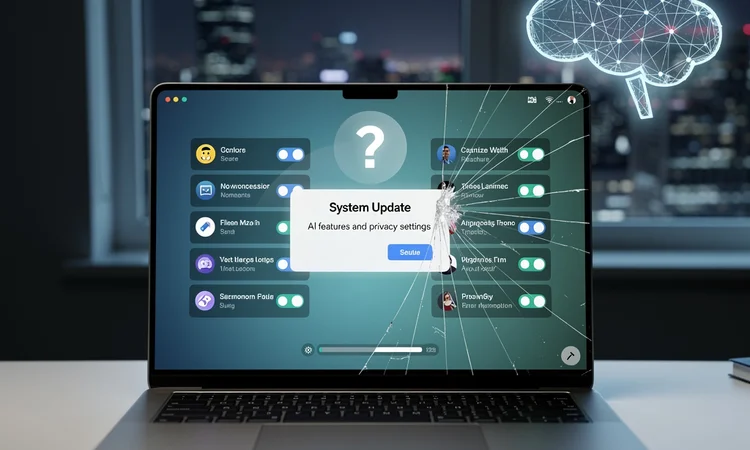
Microsoft finds itself in an unusual position for a technology giant: fighting to convince its own user base that it actually intends to improve its flagship operating system. After years of controversial updates, aggressive artificial intelligence integration, and what many perceive as a degradation of the Windows experience, the company’s recent promises to fix Windows 11 and scale back AI features have been met with widespread skepticism from the very people it needs to win over.
The trust deficit became starkly apparent when Microsoft executives announced plans to address user complaints and reconsider the company’s AI-first approach to Windows 11. Rather than celebrating, users across social media platforms and technology forums responded with cynicism, with many adopting a “we’ll believe it when we see it” stance. This reaction represents more than simple frustration—it signals a fundamental breakdown in the relationship between Microsoft and the Windows community that has supported the platform for decades.
According to TechRadar , the skepticism stems from a pattern of behavior where Microsoft has repeatedly promised user-focused improvements only to continue prioritizing features that serve the company’s strategic interests rather than customer needs. The publication notes that Windows 11 users have grown weary of updates that introduce unwanted features, advertisements disguised as recommendations, and AI tools that many never requested.
A History of Broken Promises and Feature Bloat
The current credibility crisis didn’t emerge overnight. Windows 11’s troubled relationship with its user base began with its October 2021 launch, when Microsoft imposed strict hardware requirements that rendered millions of perfectly functional PCs incompatible with the new operating system. While the company claimed these requirements were necessary for security and performance, many users viewed them as arbitrary obstacles designed to force hardware upgrades.
Since then, Microsoft has consistently introduced features that prioritize the company’s business objectives over user preferences. The Start menu, once a streamlined tool for accessing applications, has become cluttered with recommended content, advertisements, and suggestions that many users find intrusive. Windows 11 updates have increasingly pushed Microsoft’s own services—Edge browser, Bing search, and Microsoft 365—often making it difficult for users to maintain their preferred alternatives.
The AI Integration Nobody Asked For
The introduction of Copilot, Microsoft’s AI assistant deeply integrated into Windows 11, represents perhaps the most contentious addition to the operating system. While artificial intelligence capabilities can provide genuine value, Microsoft’s implementation has been criticized as heavy-handed and inescapable. The Copilot button occupies valuable taskbar real estate, and the feature activates in ways that many users find unexpected and unwelcome.
Industry observers note that Microsoft’s AI strategy appears driven more by competitive pressure from Google and Apple than by actual user demand. The company has invested billions in OpenAI and is clearly determined to position AI as central to its future, but this vision doesn’t necessarily align with what Windows users want from their operating system. Many users simply want a stable, efficient platform that stays out of their way—not an AI assistant constantly offering suggestions and collecting data about their activities.
Performance Issues and Resource Consumption
Beyond unwanted features, Windows 11 has faced persistent criticism for performance problems that affect daily usability. Users report that the operating system consumes more system resources than its predecessor, with background processes and telemetry services constantly running even when users are performing simple tasks. These resource demands are particularly frustrating for users with older hardware who find their once-capable machines struggling under Windows 11’s weight.
The File Explorer, a fundamental component that users interact with constantly, has experienced bugs and performance degradation that Microsoft has been slow to address. Simple operations like copying files or navigating folders sometimes exhibit lag that was absent in Windows 10. These quality-of-life issues accumulate, creating an experience that feels less polished than previous Windows versions despite being newer.
The Control Panel Confusion
Microsoft’s decade-long attempt to replace the traditional Control Panel with the Settings app exemplifies the company’s tendency to prioritize redesign over functionality. Windows 11 now features a confusing dual-system where some settings exist only in the modern Settings app, others only in the legacy Control Panel, and some in both locations with different options available in each. This fragmentation frustrates both novice users seeking simplicity and power users who need comprehensive control over their systems.
The Settings app itself has been criticized for burying important options behind multiple layers of menus, making tasks that were once straightforward needlessly complicated. Users frequently find themselves searching online for instructions on how to access settings that were easily discoverable in previous Windows versions. This regression in usability is particularly galling given that Microsoft has had years to refine the Settings experience.
Privacy Concerns and Data Collection
Underlying much of the user frustration is a growing concern about privacy and data collection. Windows 11’s telemetry systems continuously send information back to Microsoft, and while the company claims this data improves the user experience, many users are uncomfortable with the extent of monitoring. The operating system’s privacy settings are complex and scattered, making it difficult for average users to understand exactly what data they’re sharing.
The integration of AI features has amplified these privacy concerns. Copilot’s functionality requires analyzing user behavior, documents, and activities—information that many users prefer to keep private. Microsoft’s privacy policies, while legally compliant, are lengthy and technical, leaving many users uncertain about how their data is being used and whether they can truly opt out of collection practices.
The Windows 10 Exodus That Isn’t Happening
Perhaps the most telling indicator of Windows 11’s troubled reception is the reluctance of users to upgrade from Windows 10. Despite Windows 10 reaching its end-of-support date in October 2025, millions of users have indicated they plan to continue using it as long as possible rather than transition to Windows 11. Some are even exploring alternatives like Linux distributions, once considered too technical for mainstream users but now increasingly accessible.
This resistance represents a significant problem for Microsoft. The company’s business model increasingly depends on cloud services and subscriptions that integrate with Windows, but users who refuse to upgrade limit Microsoft’s ability to push these services. The situation has created a standoff where Microsoft needs users to adopt Windows 11 to advance its strategic goals, while users demand that Microsoft first address their concerns before they’ll consider upgrading.
What Users Actually Want
The disconnect between Microsoft’s priorities and user desires is striking in its simplicity. Users consistently express wanting an operating system that is fast, stable, respectful of their choices, and free from intrusive features they didn’t request. They want updates that fix problems rather than introduce new ones, and they want the ability to easily disable or remove features they don’t use without those features reappearing after updates.
The enthusiast community, which has historically been Windows’ most vocal advocates, has become particularly disillusioned. These users, who once eagerly tested beta versions and provided feedback, now feel ignored as Microsoft pursues corporate strategies that seem disconnected from actual user needs. Their skepticism about Microsoft’s recent promises reflects years of watching feedback go unheeded while unwanted features proliferate.
The Path Forward Remains Uncertain
Microsoft’s challenge is that rebuilding trust requires more than promises—it demands sustained action and genuine responsiveness to user feedback. The company must demonstrate through actual updates and policy changes that it values user experience over feature proliferation and respects user choice over corporate imperatives. This means not just fixing bugs and improving performance, but fundamentally reconsidering how Windows 11 balances Microsoft’s business interests with user needs.
Whether Microsoft can execute this shift remains an open question. The company’s structure, incentives, and strategic commitments all push toward AI integration, cloud services, and ecosystem lock-in. Reversing course would require leadership willing to prioritize long-term user satisfaction over short-term strategic objectives—a difficult proposition in a competitive technology market where companies feel pressure to constantly introduce new features and capabilities.
For now, Windows 11 users remain in a waiting pattern, watching to see whether Microsoft’s latest promises represent genuine change or merely another round of public relations messaging that will be forgotten with the next update cycle. The operating system’s future success depends not on what Microsoft says it will do, but on what it actually delivers in the months and years ahead. Until users see concrete evidence of reform, their skepticism will likely persist, creating an ongoing credibility crisis that undermines Microsoft’s broader strategic ambitions.






Leave a Reply
Your email address will not be published.