








North Dakota’s Digital Frontier: How a Prairie State is Leading the Charge in Government Tech Innovation
In the vast expanses of North Dakota, where agriculture and energy have long dominated the economic narrative, a subtle yet profound shift is underway. State officials are harnessing technology to modernize public services, enhance cybersecurity, and streamline operations, positioning the state as an unexpected leader in digital governance. This transformation is not just about adopting new tools; it’s about rethinking how government interacts with citizens in a region often overlooked by the tech world’s glitterati. Drawing from recent developments, including the North Dakota Digital Government Summit, experts and policymakers are collaborating to address challenges like data governance and AI integration.
The push began gaining momentum in recent years, with initiatives aimed at bridging the digital divide in rural areas. Broadband expansion has been a cornerstone, with the state on track to achieve full high-speed internet coverage by 2028, according to posts found on X. This ambition reflects a broader commitment to connectivity, essential for everything from remote work to online government services. North Dakota’s Chief Information Officer, Corey Mock, has emphasized the importance of these efforts, focusing on interoperable systems that support agency collaborations and service delivery.
Beyond infrastructure, the state is investing in innovative programs that leverage automation and emerging technologies. For instance, primary sector businesses, including manufacturing and agriculture, are benefiting from grants that promote productivity through tech upgrades. This aligns with national trends but is tailored to North Dakota’s unique needs, such as supporting its oil-dependent economy with digital tools for efficiency.
Leadership Changes and Policy Shifts Driving Tech Adoption
The year 2025 marked a pivotal period for North Dakota, as detailed in a Bismarck Tribune year-in-review article, which highlighted how new leadership in Bismarck and Washington influenced state policies amid crises and accomplishments. These changes spurred a focus on technology as a means to navigate uncertainty, with officials prioritizing digital transformation to improve governmental efficiency. The article notes unpredictable policy shifts that compelled state agencies to adapt quickly, often through tech-driven solutions.
One key area is cybersecurity, a recurring theme at events like the North Dakota Digital Government Summit held in 2025. As described on the event’s page from Government Technology , the summit gathered public sector leaders to discuss innovative approaches to threats, emphasizing collaboration and data protection. Attendees explored how AI could bolster defenses while ensuring ethical implementation, reflecting a proactive stance in a state vulnerable to cyber risks due to its critical energy infrastructure.
Moreover, North Dakota’s approach to digital assets is noteworthy. State resolutions have encouraged the inclusion of digital currencies in strategic reserves, inspired by similar moves in neighboring states. This forward-thinking policy, echoed in various online discussions, positions North Dakota at the intersection of finance and technology, potentially diversifying its economic base beyond traditional sectors.
Broadband Milestones and Rural Connectivity Efforts
Achieving 100% high-speed internet access is no small feat for a state with sparse population centers. Recent announcements indicate North Dakota is set to be the first U.S. state to reach this milestone by 2028, building on investments that address stranded natural gas reserves and tech infrastructure needs. This initiative not only supports everyday citizens but also attracts major players like Microsoft, which has a significant presence in Fargo.
In parallel, workforce development programs are integrating technology to prepare residents for a digital economy. The state’s CIO has led efforts to modernize systems, drawing from experiences in other states like South Dakota and Illinois, where large-scale upgrades transformed public services. These comparisons highlight North Dakota’s strategy of learning from peers while customizing solutions to local contexts.
Healthcare, particularly in rural areas, is another beneficiary of these tech pushes. A special legislative session addressed rural health transformation, securing nearly $200 million in federal funding for initiatives focused on workforce, technology, and innovation. This funding, as reported in InForum , aims to enhance telehealth and data systems, ensuring remote communities receive quality care without the barriers of distance.
AI and Data Governance in Public Administration
Artificial intelligence is weaving its way into North Dakota’s governmental fabric, with summits dedicating sessions to its responsible use. Discussions at the 2025 Digital Government Summit underscored AI’s role in improving citizen services, from predictive analytics for resource allocation to automated processes that reduce bureaucratic delays. However, the emphasis remains on governance, ensuring transparency and accountability in deployments.
Data governance forms the backbone of these efforts, with policies designed to protect sensitive information while enabling sharing across agencies. This is crucial in a state where energy and agriculture generate vast data sets, which, if harnessed properly, can drive economic growth. Insights from broader studies, such as one published in ScienceDirect , illustrate how digital transformation impacts governmental sectors, offering a model that North Dakota appears to emulate.
Collaboration extends beyond state borders, with North Dakota participating in national forums like the Digital States Annual Summit. There, leaders shared experiences on modernizing legacy systems, a challenge Mock addressed during his tenure, including securing funds for financial system upgrades inspired by his time in South Dakota.
Economic Diversification Through Tech Investments
North Dakota’s tech initiatives are intrinsically linked to economic diversification. The state’s bitcoin mining sector, bolstered by $3 billion in investments as noted in historical posts on X, leverages abundant energy resources for tech-driven industries. This not only creates jobs but also positions North Dakota as a hub for blockchain and digital finance innovations.
Legislative actions, such as bills prohibiting tech monopolies on app stores and payment processors, demonstrate a commitment to fair competition. Introduced years ago but still relevant, these measures encourage a vibrant tech ecosystem, preventing dominance by big players and fostering local startups.
Automation grants for businesses further this agenda, supporting sectors like animal agriculture with tech that enhances efficiency. The North Dakota Department of Commerce promotes these programs, highlighting their role in maintaining competitiveness in a global market.
Challenges and Future Directions in Digital Governance
Despite progress, challenges persist. Rural areas still grapple with connectivity gaps, and cybersecurity threats loom large amid increasing digital reliance. State officials are addressing these through ongoing summits and partnerships, learning from events like the South Dakota Digital Government Summit, which focused on similar issues.
Innovation in stablecoins and digital payments is another frontier. North Dakota’s pilot programs for state-issued stablecoins, alongside Wyoming, aim for interoperability with traditional finance, as discussed in industry commentary. This could revolutionize public transactions, making them faster and more secure.
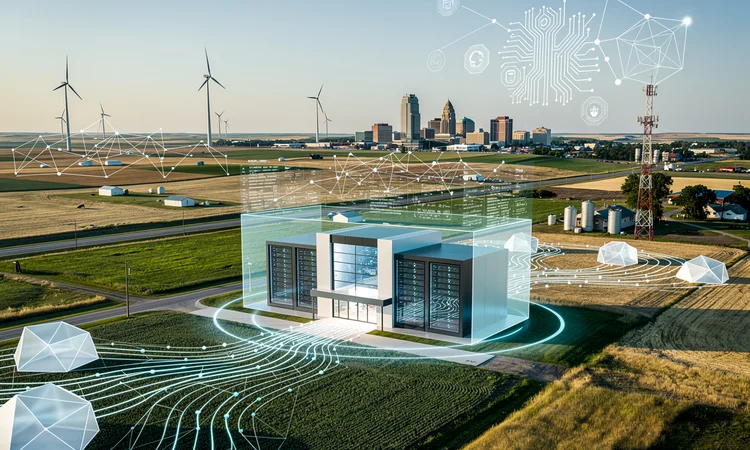
Looking ahead, energy demands from data centers and AI will shape priorities, with legislators eyeing policies to balance growth with sustainability. National organizations like the National Conference of State Legislatures forecast these as key issues for 2026, urging states like North Dakota to tighten cybersecurity and adapt to funding changes.
Interoperability and Collaborative Networks
A hallmark of North Dakota’s strategy is interoperability, ensuring systems communicate seamlessly across agencies and with citizens. This is evident in radio networks and shared data platforms, facilitating emergency responses and service delivery in remote areas.
Peer networking at summits fosters these collaborations, allowing North Dakota to import best practices while exporting its successes. For example, Mock’s background in modernizing mainframe systems provides a blueprint for other states facing outdated infrastructure.
Ultimately, these efforts are about more than technology; they’re about building resilient communities. By integrating digital tools into governance, North Dakota is creating a model that other heartland states might follow, proving that innovation thrives even in the prairies.
Energy, Tech, and Sustainable Growth
The synergy between North Dakota’s energy sector and tech initiatives is particularly compelling. With pipelines approved for natural gas transport to tech hubs like Fargo, the state is poised for AI infrastructure development. Investors, including high-profile figures, recognize this potential, viewing North Dakota as an underestimated powerhouse.
Rural health investments underscore this integration, using tech to address demographic challenges. Federal funds will support data-driven innovations, potentially transforming how healthcare is delivered in underserved areas.
As 2026 unfolds, North Dakota’s digital journey will likely accelerate, driven by lessons from 2025’s leadership shifts and ongoing summits. The state’s approach—pragmatic, collaborative, and forward-looking—offers valuable insights for public sector tech adoption nationwide.
Policy Innovations and Legislative Priorities
Legislative priorities for the coming year include responding to AI’s energy demands and enhancing cybersecurity frameworks. These build on past resolutions, such as those encouraging digital asset reserves, which have garnered attention on platforms like X.
Workforce tools, including new technology for training, are also in focus, aiming to equip residents for high-tech jobs in emerging industries.
In essence, North Dakota’s tech evolution is a testament to strategic vision, turning potential vulnerabilities into strengths through deliberate, tech-infused governance.






Leave a Reply
Your email address will not be published.