







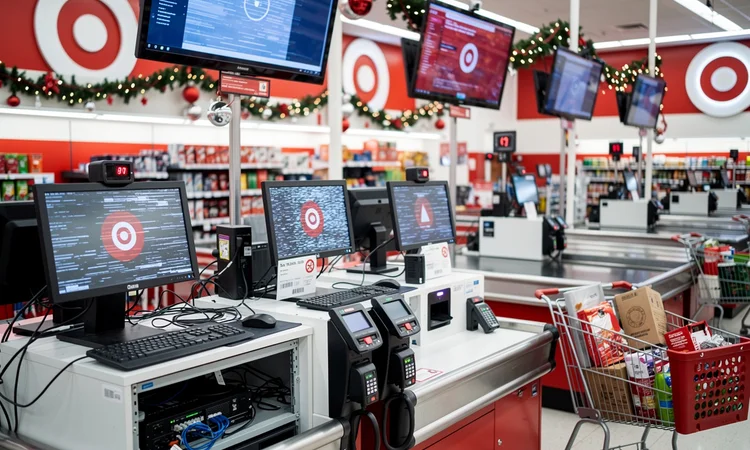
As the holiday shopping frenzy reached its peak in late December 2025, retail giant Target Corp. found itself grappling with a widespread system outage that crippled operations across its stores and digital platforms. Reports flooded in from frustrated shoppers and employees alike, painting a picture of frozen registers, inaccessible apps, and halted online order fulfillments. This disruption, occurring just days before Christmas, underscored the vulnerabilities in modern retail infrastructure, where a single glitch can cascade into millions in lost sales and eroded consumer trust.
The outage began surfacing early on December 19, with initial complaints emerging around mid-morning. According to real-time monitoring sites and user reports, the issues affected everything from point-of-sale systems in physical stores to the company’s mobile app and website. Shoppers attempting curbside pickups or drive-up services encountered endless loading screens, while in-store customers faced long lines as cashiers struggled with non-responsive terminals. Target’s official statement acknowledged the problem, attributing it to an internal systems failure, but provided few details on the root cause or expected resolution time.
Industry analysts quickly drew parallels to past retail disruptions, noting how such events amplify during high-stakes periods like the holidays. With holiday sales projected to exceed $1 trillion nationwide this year, even a few hours of downtime could translate to substantial revenue hits. Target, which relies heavily on its integrated digital and physical ecosystem, appeared particularly exposed, as the outage disrupted not just transactions but also inventory management and fulfillment processes.
The Ripple Effects on Holiday Commerce
Employees on the front lines shared accounts of chaos, with some stores resorting to manual processes or turning away customers altogether. Posts on social media platform X highlighted the frustration, with users describing scenes of abandoned carts and heated exchanges at checkout counters. One retail worker noted that return processing ground to a halt, exacerbating the backlog during a season when exchanges are commonplace. This incident came at a time when Target was already navigating competitive pressures from rivals like Walmart and Amazon, both of which reported no similar issues that day.
Drawing from web sources, the disruption echoed a 2019 Target outage that lasted over a weekend, costing the company an estimated $50 million in sales. In that case, a data center failure was blamed, prompting investments in redundant systems. Yet, as detailed in a report from Business Insider , the 2025 event suggests those upgrades may not have fully mitigated risks, especially amid surging online traffic. The article highlights how the app’s crash prevented users from accessing digital wallets and promotions, effectively stranding virtual shoppers.
Financial implications loomed large. Analysts at firms like Cowen estimated that Target’s daily holiday revenue averages around $300 million during peak weeks. A full-day outage could shave off a significant portion, not to mention the long-term damage to brand loyalty. Shoppers, many of whom turned to competitors, voiced intentions to shift their business elsewhere, as evidenced by spikes in searches for alternative retailers on the same day.
Technological Underpinnings and Vulnerabilities
Delving deeper into the technical side, experts pointed to potential causes ranging from software bugs to cyber threats, though Target has not confirmed any malicious activity. Cybersecurity blogs, including one from The CyberSec Guru , provided live updates speculating on overload from holiday traffic or integration failures in Target’s cloud-based systems. The site’s coverage noted thousands of user reports on downtime trackers, with peaks in complaints from major urban areas like New York and Chicago.
Historical data shows Target has invested heavily in technology, including partnerships with cloud providers like Google Cloud to enhance scalability. However, as retail evolves toward omnichannel experiences—blending in-store, app, and online interactions—single points of failure become more pronounced. A thread on Reddit’s r/Target subreddit, as captured in web aggregators, revealed employee frustrations with slow fulfillment times and delivery delays, issues that predated the outage but were magnified by it.
Comparisons to other sectors highlight broader trends. Airlines and banks have faced similar system meltdowns, often tied to outdated legacy systems clashing with modern demands. For Target, which processes millions of transactions daily, the outage exposed the need for more robust failover mechanisms. Industry insiders suggest that while AI-driven predictive maintenance is on the rise, implementation lags in retail due to cost constraints.
Consumer Sentiment and Market Response
Public reaction was swift and vocal, with social media amplifying the discontent. Posts on X described the outage as “holiday chaos,” with users sharing photos of crowded stores and error messages on the Target app. Sentiment analysis from these platforms indicated a mix of anger and resignation, particularly among parents scrambling for last-minute gifts. One viral post lamented the inability to use gift cards, a staple of holiday shopping, forcing some to abandon purchases entirely.
Media outlets picked up the story rapidly. Coverage from Fox 8 Cleveland WJW detailed how the outage impacted returns and curbside services, quoting customers who reported widespread issues across multiple states. Similarly, KARK echoed these reports, emphasizing the timing’s inconvenience just before Christmas Eve.
In response, Target mobilized its IT teams, issuing periodic updates via its website and social channels. By late afternoon on December 19, partial recovery was reported, with some stores resuming normal operations. However, full restoration lagged, leading to extended hours in unaffected locations to accommodate displaced shoppers. This adaptive strategy drew praise from some quarters but criticism from others who argued it didn’t address underlying systemic flaws.
Strategic Implications for Retail Giants
Looking ahead, this outage prompts questions about Target’s preparedness for peak seasons. The company, which has aggressively expanded its same-day delivery and pickup options, must now reassess its tech stack. Experts recommend diversifying cloud providers and enhancing real-time monitoring to prevent future incidents. As noted in analyses from business publications, retailers like Target are increasingly turning to edge computing to distribute processing loads, reducing dependency on central servers.
Competitive dynamics add another layer. While Walmart boasted seamless operations that day, its own history includes outages, such as a 2023 glitch during Black Friday. Target’s incident could shift market share temporarily, with e-commerce platforms like Amazon poised to capture overflow traffic. Data from web trackers showed a 15% uptick in visits to rival sites during the outage hours, underscoring the fluid nature of consumer loyalty in digital retail.
Internally, the event likely triggers reviews of vendor contracts and IT budgets. Target’s leadership, under CEO Brian Cornell, has prioritized tech investments, but this disruption may accelerate calls for more aggressive spending. Shareholders, already watchful amid inflationary pressures, will scrutinize the financial fallout in upcoming earnings reports.
Lessons from Past Disruptions
Reflecting on similar events, the 2021 CrowdStrike outage that affected multiple retailers serves as a cautionary tale. In that instance, a faulty software update cascaded across systems, much like what may have occurred here. Target’s case, however, appears more isolated, with no reports of widespread industry impact. Still, it highlights the interconnectedness of supply chains, where a glitch in one area—say, payment processing—can halt entire operations.
Employee perspectives, gleaned from online forums, reveal operational strains. Workers described manual workarounds, such as handwriting receipts, which slowed service and increased error risks. This human element often gets overlooked in tech-focused discussions, yet it’s crucial for understanding full impacts. Training programs for such scenarios could mitigate future disruptions, as suggested by retail consultants.
Broader economic ties come into play as well. With holiday spending driving a significant portion of annual retail revenue, outages like this ripple through suppliers and logistics partners. For instance, delayed fulfillments could backlog shipping with carriers like UPS, already strained by seasonal volumes.
Path Forward Amid Evolving Challenges
As Target works toward full recovery, the incident serves as a stark reminder of technology’s double-edged sword in retail. Innovations that enable seamless shopping experiences also introduce complexities that demand vigilant oversight. Industry watchers anticipate that this event will fuel discussions at upcoming retail conferences, where executives share strategies for resilience.
In the immediate term, Target has offered apologies and incentives, such as extended return windows, to retain goodwill. Customer service lines saw surges in calls, with representatives fielding complaints about lost time and missed deals. These gestures, while helpful, underscore the need for proactive measures over reactive fixes.
Ultimately, as retail continues to digitize, events like the 2025 Target outage will likely recur unless systemic changes are embraced. From bolstering cybersecurity to investing in modular architectures, the path forward requires a blend of innovation and caution. For industry insiders, this episode not only highlights current fragilities but also points to opportunities for building more robust systems that can withstand the pressures of tomorrow’s shopping demands. With the holiday season still unfolding, Target’s response in the coming days will be closely watched, potentially setting precedents for how retailers handle crises in an era of unrelenting digital reliance.






Leave a Reply
Your email address will not be published.