







In the opening months of 2026, as President Donald Trump’s renewed tariff policies take hold, the U.S. economy finds itself navigating a complex web of trade barriers that were promised to bolster domestic industries but are increasingly revealing unintended consequences. Steep import taxes on goods from China, Europe, and other key partners have sparked debates among economists, business leaders, and policymakers about their true costs. While the administration touts these measures as tools to protect American jobs and reduce trade deficits, emerging data suggests a more nuanced reality where American consumers and businesses bear much of the burden.
Recent analyses highlight how these tariffs function essentially as taxes on imports, often passed along through supply chains to end users in the U.S. For instance, a study from the Kiel Institute for the World Economy details how tariffs imposed during Trump’s previous term and escalated in 2025 have disproportionately affected American households and firms. The report, titled “America’s Own Goal: Who Pays the Tariffs?”, argues that foreign exporters rarely absorb the full cost, instead shifting it to U.S. importers, which in turn raises prices for everything from electronics to automobiles. This dynamic has persisted into 2026, with inflation pressures lingering despite initial expectations of a quick adjustment.
Businesses across sectors report mixed outcomes. Manufacturers reliant on imported components, such as those in the automotive and technology industries, have faced higher input costs, squeezing profit margins and prompting some to reconsider expansion plans. Yet, not all effects have been as dire as feared; some domestic producers have gained a competitive edge, leading to modest job gains in protected areas like steel and aluminum. Still, the broader picture shows a slowdown in overall economic momentum, with consumer spending tempered by elevated prices.
Unpacking the Tariff Burden
Drawing from the Kiel Institute for the World Economy , the mechanics of tariff incidence reveal a stark truth: U.S. entities foot the bill in most cases. The institute’s research, based on empirical data from past trade wars, estimates that for every dollar in tariffs collected, American consumers and businesses absorb about 90 cents through higher prices and reduced purchasing power. This “own goal” analogy underscores how policies aimed at punishing foreign competitors often backfire domestically, eroding the very economic strength they seek to preserve.
Complementing this, a January 2026 report from the Tax Foundation quantifies the scale: Trump’s tariffs represent the largest tax increase as a percentage of GDP since 1993, equating to an average $1,500 hit per U.S. household this year. The Tax Foundation analysis projects long-term drags on GDP growth, potentially shaving off 0.5% annually if tariffs remain at current levels. Economists there note that while some revenue bolsters the federal budget, the net effect is a transfer from consumers to the government, with little evidence of sustained manufacturing resurgence.
Public sentiment on social platforms like X reflects growing frustration. Posts from users, including economists and business analysts, frequently highlight how tariffs inflate everyday costs without delivering promised benefits. One recurring theme is the risk to consumer spending, with mentions of stock market pressures and household net worth erosion amplifying concerns about a potential slowdown. These online discussions, while not definitive, echo broader economic surveys showing unease among small businesses facing disrupted supply chains.
Global Ripples and Retaliatory Measures
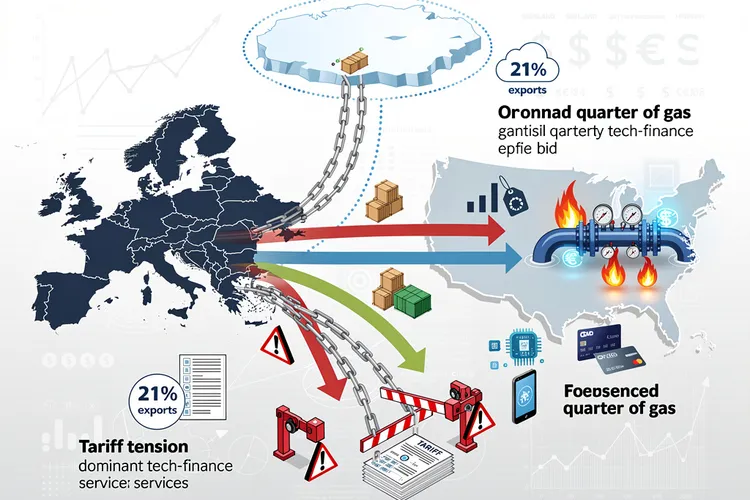
The international fallout from U.S. tariffs has intensified in 2026, with allies and adversaries alike responding in kind. European nations, stung by threats over issues like Greenland and NATO contributions, have imposed countermeasures that target American exports such as agricultural products and whiskey. A Reuters article from January 19 details how Trump’s tariff threats have revived “Sell America” trade talks, where Europeans consider divesting from U.S. assets as leverage. This Reuters piece illustrates the escalating tensions, warning of a “spiral of escalation” that could fragment global trade networks.
Meanwhile, the International Monetary Fund has sounded alarms about broader risks. In a Guardian report dated January 19, the IMF cautions that rising geopolitical frictions, fueled by tariffs, could materially dent global growth and investment. The Guardian coverage emphasizes how such policies heighten uncertainty, potentially leading to lower inflation through depressed demand but at the cost of stalled economic activity. Historical parallels, as explored in a San Francisco Fed economic letter, suggest that large tariff shocks like those in 2025 mirror pre-World War II episodes, where unemployment rose and output contracted.
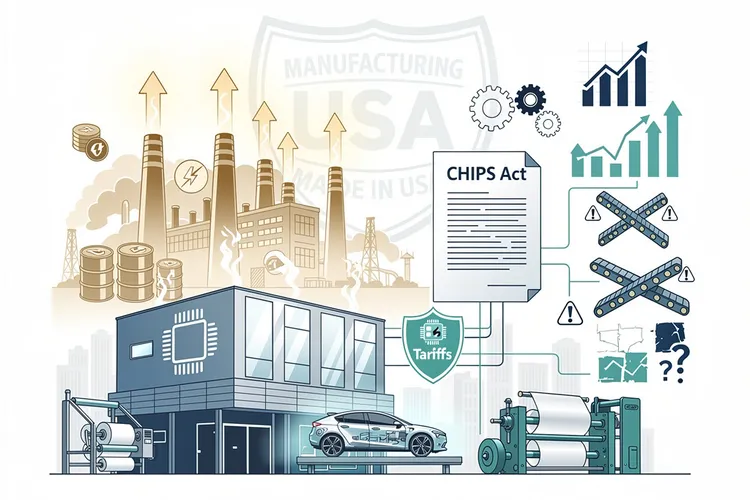
Industry insiders point to specific sectors feeling the pinch. The technology realm, for example, grapples with higher costs for imported semiconductors, complicating efforts to onshore production. J.P. Morgan Global Research, in its latest update, analyzes how evolving tariff situations disrupt supply chains, predicting uneven impacts across regions. The J.P. Morgan insights forecast that while some U.S. firms benefit from protectionism, overall trade volumes could decline by 10-15% if retaliations persist, affecting everything from retail prices to corporate earnings.
Economic Indicators Under Scrutiny
Despite the administration’s claims of strength attributed to “Mister Tariff,” as President Trump has dubbed it, many economists disagree. A New York Times piece from January 14 argues that U.S. growth occurs despite tariffs, not because of them, citing resilient indicators like employment figures that have held steady amid the noise. The New York Times reports that while inflation hasn’t spiked as dramatically as in past trade spats, underlying pressures build, particularly in consumer goods.
Another angle from the same publication, dated January 3, explores why the tariffs’ impact hasn’t been more pronounced yet. It attributes this to factors like currency adjustments and companies stockpiling imports pre-tariff hikes. However, the New York Times warns that 2026 could see sharper effects if exemptions lapse or new levies on allies take effect, potentially raising living costs further.
On X, posts from figures like former Treasury Secretary Lawrence Summers reiterate these concerns, noting how tariffs on imported inputs undermine U.S. exporters’ competitiveness. Such commentary aligns with reports from Trade Partnership Worldwide, which estimate annual consumer spending cuts of $123 billion due to price hikes across categories. These sentiments underscore a divide: while some users defend tariffs as necessary for national security, others decry them as self-inflicted wounds on economic vitality.
Sector-Specific Strains and Adaptations
Delving deeper into affected industries, agriculture stands out as particularly vulnerable. Farmers, already hit by retaliatory tariffs from China and Europe, report declining exports and mounting inventories. The CNN Business analysis from January 3 suggests that while 2025 saw muted price impacts, this year could bring steeper increases unless the president backs down. The CNN Business perspective highlights cold comfort for Americans, as tariffs’ delayed sting might manifest in higher grocery bills and reduced farm incomes.
In manufacturing, the story is one of adaptation amid adversity. Some firms have shifted sourcing to tariff-free countries like Vietnam, but this rerouting increases logistics costs and timelines. The Guardian’s December 2025 piece by economist Jeffrey Frankel questions why tariffs haven’t crashed the economy yet, attributing it to fiscal stimuli offsetting some damage, but predicts fuller effects in 2026. Referencing the Kiel Institute for the World Economy again, this resilience masks underlying vulnerabilities, such as job losses in non-protected sectors.
Energy and infrastructure also feel the ripple effects. Tariffs on steel imports, intended to revive domestic production, have inflated construction costs for projects like pipelines and renewable energy installations. A Fortune article from January 17 notes Wall Street’s renewed trade fears following announcements targeting NATO allies and Iran-linked trade. The Fortune report warns of inflation risks and GDP drags, especially if a full-blown trade war erupts.
Policy Debates and Future Trajectories
As debates rage in Washington, proponents argue tariffs force fairer trade deals, citing renegotiated pacts with Canada and Mexico. Yet, critics, including those at the San Francisco Fed, draw on historical data to predict rising unemployment from uncertainty-driven demand slumps. Their San Francisco Fed letter posits that 2025’s tariff surge, the largest in modern times, could mirror past shocks with deflationary pressures amid economic contraction.
Looking ahead, industry experts monitor potential escalations, such as the proposed 25% duties on Iran-trading nations. The Trade Compliance Resource Hub’s tariff tracker from January 18 catalogs these moves, emphasizing Trump’s affinity for tariffs as a bargaining chip. This Trade Compliance Resource Hub resource serves as a barometer for businesses navigating compliance, highlighting risks to global supply integration.
Ultimately, the tariff saga in 2026 embodies a high-stakes gamble. While short-term protections may shield select industries, the cumulative toll on consumers, innovation, and international relations suggests a need for recalibration. As voices on X and in economic circles amplify calls for evidence-based adjustments, the path forward hinges on balancing national interests with the realities of interconnected trade systems, potentially reshaping U.S. economic strategies for years to come.






Leave a Reply
Your email address will not be published.