






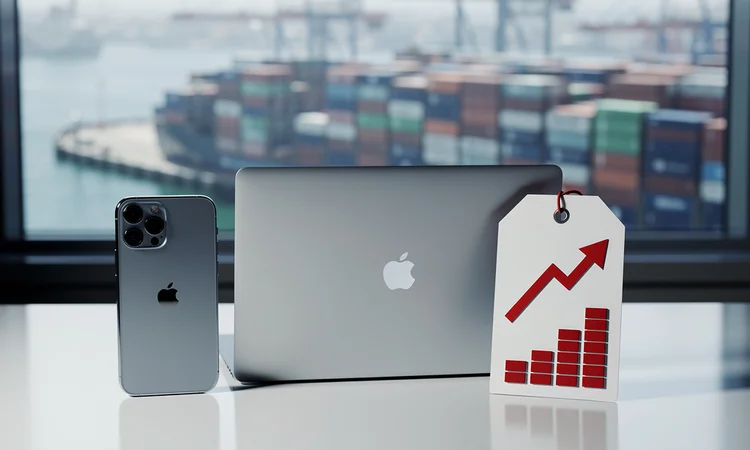
Apple Inc.’s carefully cultivated reputation for premium pricing may face its most significant test in years as Chief Executive Tim Cook declined to rule out raising prices on the company’s flagship products during the company’s latest earnings call. The acknowledgment comes as the tech giant navigates an increasingly complex global trade environment, with tariff threats and supply chain disruptions casting shadows over the world’s most valuable technology company.
According to 9to5Mac , Cook’s careful language during the earnings discussion left the door open for potential price adjustments, a notable departure from Apple’s traditional approach of absorbing cost increases to maintain stable pricing for consumers. The CEO’s comments signal that even a company with Apple’s massive profit margins and cash reserves may struggle to shield customers from the economic headwinds buffeting global technology manufacturing.
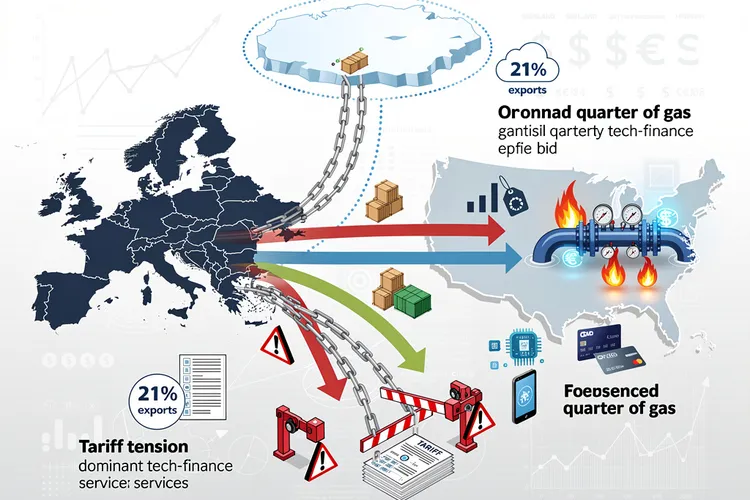
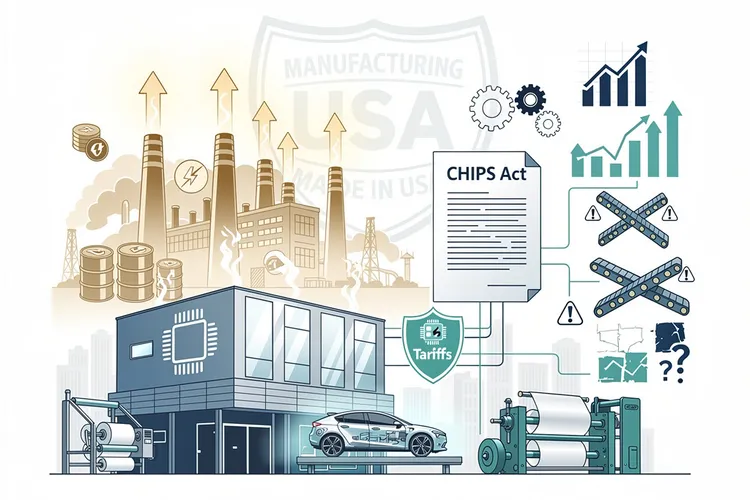
The timing of Cook’s remarks is particularly significant given the current political climate surrounding international trade policy. With renewed discussions about implementing broad-based tariffs on imported goods, technology companies that rely heavily on overseas manufacturing face unprecedented uncertainty. Apple, which produces the vast majority of its devices in China and other Asian countries, stands particularly exposed to any major shifts in trade policy between the United States and its manufacturing partners.
The Tariff Calculus: When Premium Pricing Meets Political Reality
Apple’s pricing strategy has long been a cornerstone of its brand identity. The company has historically positioned its products at the premium end of the market, justifying higher prices through superior design, ecosystem integration, and perceived quality advantages over competitors. However, this strategy relies on maintaining relatively stable production costs and predictable supply chains—assumptions that increasingly appear vulnerable to geopolitical disruption.
Industry analysts have noted that Apple’s gross margins, while still robust by technology industry standards, have faced pressure from multiple directions. Component costs have risen, particularly for advanced semiconductors and display technologies. Labor costs in key manufacturing regions have increased as workers demand better wages and conditions. Currency fluctuations have added another layer of complexity to the company’s financial planning. Against this backdrop, the potential addition of significant tariffs could represent the proverbial straw that breaks the camel’s back.
The mathematics of tariff absorption are straightforward but unforgiving. If the United States were to impose a 25% tariff on electronics imported from China, Apple would face a choice between absorbing billions of dollars in additional costs or passing some portion of those increases to consumers. Given that the company sold more than 230 million iPhones in its most recent fiscal year, even a modest per-unit price increase could generate significant revenue—or alternatively, a substantial hit to margins if absorbed internally.
Manufacturing Diversification: Apple’s Long-Term Hedge Against Trade Uncertainty
Cook has spent years working to diversify Apple’s manufacturing footprint, a strategy that now appears prescient given current trade tensions. The company has gradually expanded production in India, Vietnam, and other countries, reducing its reliance on Chinese manufacturing facilities. However, this diversification remains incomplete, and China continues to dominate Apple’s supply chain for most major product categories.
The challenge of relocating manufacturing capacity cannot be overstated. Apple’s products require extraordinarily precise manufacturing tolerances and complex assembly processes that have been perfected over decades in Chinese facilities. The infrastructure, skilled labor force, and supplier ecosystem that exists in regions like Shenzhen cannot be replicated overnight. Any significant shift in manufacturing location requires years of planning, substantial capital investment, and acceptance of potential quality issues during the transition period.
Furthermore, China represents not just a manufacturing hub but also a crucial consumer market for Apple. The company has walked a diplomatic tightrope, attempting to maintain positive relationships with both U.S. and Chinese governments while protecting its commercial interests. Any decision to dramatically reduce Chinese manufacturing could trigger retaliatory measures that harm Apple’s ability to sell products in the world’s largest smartphone market.
Consumer Tolerance: Testing the Limits of Brand Loyalty
Apple’s pricing power ultimately depends on consumer willingness to pay premium prices for its products. The company has cultivated extraordinary brand loyalty, with customers often displaying almost tribal devotion to the Apple ecosystem. However, this loyalty has limits, particularly in an economic environment where consumers face their own inflationary pressures.
The smartphone market has reached maturity in most developed countries, with replacement cycles lengthening as devices become more durable and incremental improvements between generations become less dramatic. In this environment, a significant price increase could prompt consumers to delay upgrades or consider alternative brands. Samsung, Google, and Chinese manufacturers like Xiaomi and Oppo have steadily improved their offerings, narrowing the perceived quality gap with Apple while maintaining lower price points.
Apple’s services business, which has become an increasingly important revenue driver, could also face challenges if hardware prices rise significantly. The company’s strategy of using hardware as a platform to sell higher-margin services like Apple Music, iCloud storage, and Apple TV+ depends on maintaining a large and growing installed base of devices. If price increases slow hardware adoption, the services business could suffer collateral damage.
The Competitive Dynamics of Technology Pricing
Apple’s pricing decisions do not occur in a vacuum. The company must consider competitive responses from rivals who may choose to hold prices steady to gain market share. Samsung, Apple’s primary competitor in the premium smartphone segment, faces similar supply chain challenges but has greater manufacturing flexibility due to its vertically integrated structure. The Korean conglomerate produces many of its own components, including displays and semiconductors, potentially giving it more room to maneuver on pricing.
In the personal computer market, where Apple has gained significant market share in recent years through its transition to custom silicon processors, pricing pressure could be particularly acute. The company’s Mac computers already command premium prices compared to Windows-based alternatives. A significant price increase could slow the momentum Apple has built in this category, particularly among price-sensitive segments like education and small businesses.
The tablet market presents similar dynamics. Apple’s iPad line faces competition from both high-end alternatives and low-cost options from Amazon and other manufacturers. Price increases in this category could accelerate a shift toward cheaper alternatives, particularly for use cases like content consumption where the performance advantages of Apple’s premium products matter less.
Strategic Options Beyond Price Increases
Cook and his executive team have several alternatives to across-the-board price increases. The company could choose to absorb tariff costs in the short term while accelerating its manufacturing diversification efforts, betting that the trade situation will eventually stabilize. Apple’s massive cash reserves and strong cash flow generation capability give it more flexibility than most competitors to weather a period of compressed margins.
Another option involves product line segmentation. Apple could maintain current prices on its most popular models while increasing prices on premium variants, effectively limiting the impact on volume while protecting margins. The company has successfully employed this strategy in the past, using high-end models to capture additional revenue from customers willing to pay for the latest features while keeping entry-level products accessible to a broader audience.
The company might also look to its supply chain partners to share the burden of cost increases. Apple’s enormous purchasing power gives it significant leverage over suppliers, and the company has historically been aggressive in negotiating favorable terms. However, this approach has limits, particularly as suppliers face their own cost pressures and may have less room to accommodate Apple’s demands.
The Broader Implications for Technology Industry Economics
Apple’s pricing decisions carry implications far beyond the company itself. As the most valuable and closely watched technology company in the world, Apple’s actions often set precedents that ripple through the industry. If Apple raises prices and maintains its market position, other premium technology brands may feel emboldened to follow suit. Conversely, if price increases lead to market share losses, competitors may see an opportunity to gain ground by holding prices steady.
The situation also highlights the tension between globalization and nationalism in the technology sector. For decades, the industry has benefited from global supply chains that optimize for efficiency and cost. The current trade environment threatens this model, potentially forcing a reorganization of manufacturing that could increase costs across the board. If tariffs and trade restrictions become permanent features of the global economy, the technology industry may need to fundamentally rethink its approach to manufacturing and pricing.
Investors will watch Apple’s next moves carefully, as pricing decisions directly impact both revenue and profit margins. The company’s stock price has long been supported by its ability to generate extraordinary profits from its hardware sales. Any signal that this profit engine faces sustained pressure could trigger significant market reactions, given Apple’s enormous market capitalization and its weight in major stock indices.
Navigating Uncertainty in an Unprecedented Environment
Tim Cook’s refusal to rule out price increases reflects the uncertainty facing even the most successful technology companies in the current environment. Apple has navigated numerous challenges during Cook’s tenure, from supply chain disruptions during the pandemic to regulatory pressures around app store policies. However, the combination of trade tensions, inflationary pressures, and market maturity presents a uniquely complex challenge.
The coming months will reveal whether Apple chooses to test its pricing power or finds alternative ways to manage cost pressures. The company’s track record suggests it will approach any pricing changes carefully, likely implementing them gradually and strategically rather than through broad-based increases. However, the fact that Cook felt compelled to acknowledge the possibility of price increases at all suggests the pressure the company faces is real and significant.
For consumers, the message is clear: the era of stable pricing for premium technology products may be ending. Whether through direct price increases, reduced promotional activity, or slower introduction of more affordable product variants, the cost of staying within the Apple ecosystem may rise in the coming years. How customers respond to these changes will ultimately determine whether Apple’s premium positioning remains sustainable or whether the company needs to reconsider its fundamental approach to pricing and market segmentation in an increasingly challenging global environment.






Leave a Reply
Your email address will not be published.