








Samsung smartphone users have discovered an unexpected power drain lurking within their devices: AICore, a background service that has been quietly consuming battery life and system resources while ostensibly enhancing artificial intelligence capabilities. The revelation has sparked a grassroots movement among tech-savvy users who are sharing methods to disable the feature, raising fundamental questions about how manufacturers implement AI features and whether consumers should have more transparent control over these resource-intensive processes.
According to Android Authority , AICore is Samsung’s on-device AI processing service that handles various machine learning tasks across the Galaxy ecosystem. The service, which runs continuously in the background, is designed to power features like object recognition in photos, text predictions, and other intelligent functions that have become standard in modern smartphones. However, users have reported that AICore can consume significant battery life and processing power, even when AI features aren’t actively being used.
The technical architecture of AICore represents Samsung’s attempt to process artificial intelligence tasks locally on devices rather than relying solely on cloud-based solutions. This approach theoretically offers faster response times and enhanced privacy, as data doesn’t need to be transmitted to remote servers. Yet the implementation has proven controversial, with users discovering that the service operates persistently regardless of whether they’re actively utilizing AI-enhanced features. The service can be found in Android’s application settings under the name “AICore” or “Intelligence Service,” depending on the device model and software version.
The Performance Impact: Measuring AICore’s Resource Consumption
Users who have monitored their device performance have documented substantial improvements after disabling AICore. Battery life extensions of 10-15% are commonly reported, while some users claim even more dramatic improvements depending on their usage patterns. The service’s CPU utilization varies, but it consistently appears in battery usage statistics for many Galaxy device owners, sometimes ranking among the top consumers of system resources.
The discovery has been particularly significant for users of older Galaxy devices, where the additional processing overhead can noticeably impact performance. Samsung’s mid-range and budget devices, which typically feature less powerful processors and smaller batteries than flagship models, appear especially susceptible to AICore’s resource demands. This has led to criticism that Samsung may be implementing features optimized for premium devices across its entire product line without adequate consideration for hardware limitations.
How to Disable AICore: The Methods Users Have Discovered
Disabling AICore requires navigating through Android’s application management system, a process that varies slightly depending on the device and One UI version. Users must access Settings, navigate to Apps, enable the display of system applications, locate AICore or Intelligence Service, and then either disable the service or force stop it. Some users have reported that the service may re-enable itself after system updates, requiring periodic checks to ensure it remains disabled.
The process isn’t officially documented by Samsung, and the company provides no user-facing toggle to control AICore’s operation. This lack of transparency has frustrated users who expect more granular control over their devices’ functionality. The absence of clear documentation also raises questions about whether Samsung intends for users to have the option to disable these services, or whether the current accessibility through system settings is an oversight rather than an intentional feature.
The Broader Implications for AI Implementation in Mobile Devices
Samsung’s AICore controversy reflects a larger tension in the smartphone industry as manufacturers race to integrate artificial intelligence capabilities. Companies are investing heavily in on-device AI processing, driven by privacy concerns, latency requirements, and the desire to differentiate their products in a mature market. However, the implementation of these features often prioritizes functionality over user choice and system efficiency.
The situation parallels earlier controversies around bloatware and pre-installed applications that users couldn’t remove. Just as consumers eventually demanded more control over which apps came pre-loaded on their devices, the AICore situation suggests that users are beginning to expect similar control over AI services. The difference is that AI processing services operate at a deeper system level, making their impact less visible but potentially more significant.
Privacy Considerations and Data Processing Transparency
While Samsung has positioned on-device AI processing as a privacy-enhancing feature, the lack of transparency around AICore’s specific activities has generated concern among privacy-conscious users. Without clear documentation of what data AICore processes, how it uses that information, and whether any data ever leaves the device, users are left to trust Samsung’s implementation without verification.
The European Union’s Digital Markets Act and similar regulatory frameworks worldwide are increasingly requiring technology companies to provide greater transparency about data processing activities. Samsung’s approach to AICore, which operates largely invisibly to users, may face scrutiny under these evolving standards. Companies that process user data through AI systems are being held to higher standards of disclosure, and the ability to disable such processing may become a regulatory requirement rather than a user preference.
Industry Response and Competitive Positioning
Samsung has not issued a comprehensive public statement addressing user concerns about AICore or provided guidance on whether disabling the service is recommended or supported. This silence stands in contrast to the company’s marketing emphasis on AI capabilities as a key differentiator for Galaxy devices. The disconnect between promotional messaging that highlights AI features and the lack of communication about how these features impact device performance creates a credibility gap.
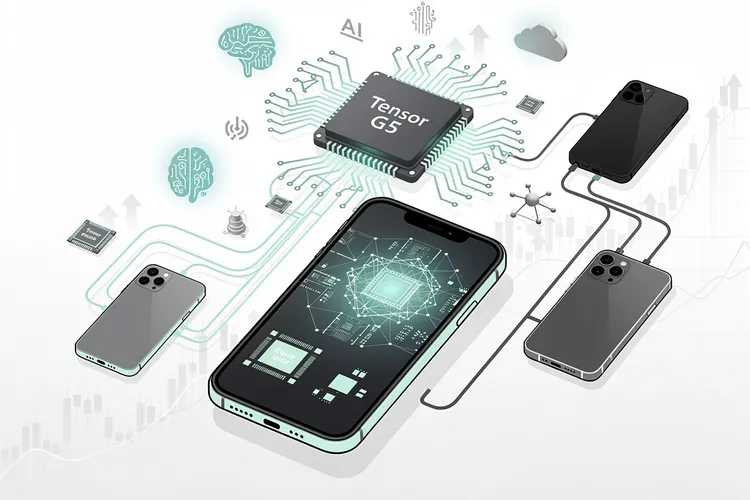
Competitors in the Android ecosystem have implemented similar on-device AI processing systems, though with varying degrees of transparency and user control. Google’s Pixel devices utilize the Tensor processor specifically designed for AI workloads, while other manufacturers have partnered with Qualcomm and MediaTek for AI-enhanced chipsets. The key difference lies in how these companies communicate about resource usage and provide users with control over AI features.
The Technical Trade-offs of On-Device AI Processing
The fundamental challenge Samsung faces with AICore reflects inherent trade-offs in on-device AI implementation. Machine learning models require substantial computational resources, and keeping these systems ready to respond instantly means maintaining them in an active or semi-active state. This creates an unavoidable tension between responsiveness and efficiency.
Modern smartphones attempt to manage this tension through sophisticated power management strategies, including putting background services into various sleep states and limiting their activity when the device is idle. However, AI services like AICore may need to remain more active than traditional background processes to deliver the instant responses users expect from features like smart text prediction or real-time photo enhancement.
User Expectations and the Future of Smartphone AI
The AICore controversy highlights a growing sophistication among smartphone users, who increasingly understand the technical trade-offs involved in device features and expect meaningful control over those trade-offs. The days when manufacturers could implement features without explaining their resource impact or providing disable options are ending, driven by both consumer demand and regulatory pressure.
Moving forward, successful AI implementation in smartphones will likely require a more nuanced approach that balances capability, efficiency, and user control. This might include adaptive AI systems that scale their activity based on usage patterns, clearer communication about resource consumption, and prominent user controls that allow individuals to make informed decisions about which AI features they value enough to justify their resource cost. Samsung’s experience with AICore may serve as a cautionary tale for the industry, demonstrating that impressive AI capabilities mean little if they frustrate users through opaque implementation and excessive resource consumption.
The resolution of this situation will likely influence how other manufacturers approach AI integration in future devices. As artificial intelligence becomes increasingly central to smartphone functionality, the industry must develop implementation standards that respect both the potential of AI technology and the practical concerns of users who depend on their devices throughout long days without convenient charging opportunities. The balance between innovation and usability will determine which companies successfully navigate the transition to AI-enhanced mobile computing.






Leave a Reply
Your email address will not be published.