
IT Management
IT Management focuses on governance, security, infrastructure, and operations—helping teams run reliable systems, reduce risk, and align technology with business goals.
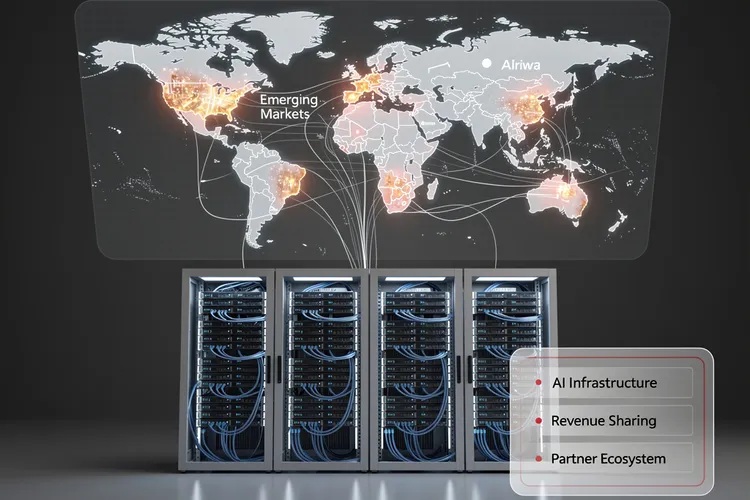
Inside Huawei Cloud’s Bold 2026 Partner Strategy: How Data Centers Become the Cornerstone of AI Infrastructure Expansion
Huawei Cloud's 2026 partner strategy positions data centers as strategic allies in AI infrastructure expansion, offering unprecedented revenue-sharing models and technical integration. The approach targets emerging markets with generous incentives while navigating geopolitical constraints and semiconductor restrictions.
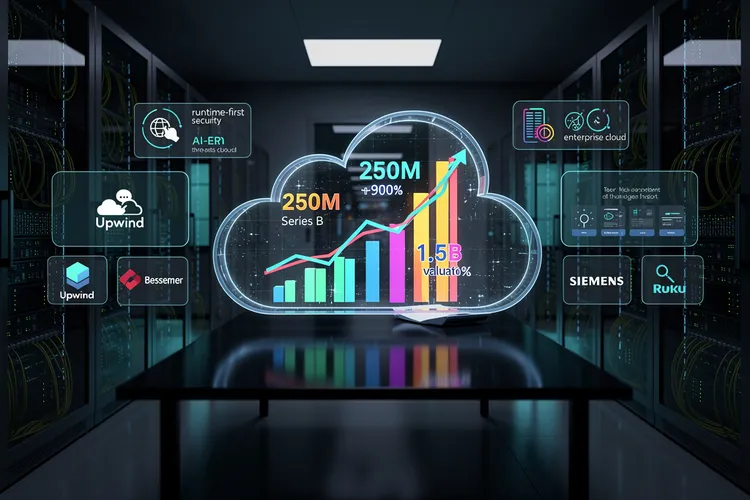
Upwind’s Runtime Revolution: $250M Fuels $1.5B Cloud Security Unicorn
Upwind's $250 million Series B catapults it to $1.5 billion valuation, powering runtime-first cloud security amid 900% revenue surge. Backed by Bessemer and all-stars, the ex-Spot.io team targets AI-era threats for giants like Siemens and Roku.
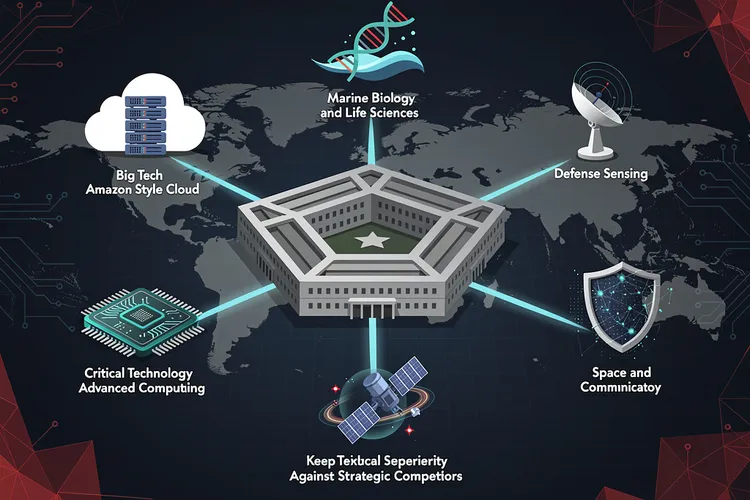
Pentagon’s New Technology Chiefs Signal Major Shift in Defense Innovation Strategy
The Pentagon's Chief Technology Officer has selected six defense technology veterans with diverse backgrounds—from Amazon executives to marine biologists—to lead Critical Technology Areas, signaling a major shift in how the Defense Department approaches innovation and maintains technological superiority against strategic competitors.

Inside Elon Musk’s Audacious Plan to Fuse Rockets and AI: The SpaceX-xAI Megamerger
Elon Musk is merging SpaceX and xAI in a deal combining an $800 billion rocket manufacturer with a $230 billion AI startup, advancing his vision of space-based data centers while consolidating his technological empire ahead of a planned summer IPO.

Verizon’s Subscriber Surge Signals Schulman’s Turnaround Triumph
Verizon crushed Q4 2025 expectations with 616,000 postpaid phone adds under CEO Dan Schulman, issuing bullish 2026 guidance post-Frontier acquisition. Revenue hit $36.4 billion, signaling a strategic revival amid fierce competition.

Nevada’s Urgent Hunt for a Cyber Sentinel After Ransomware Chaos
Nevada seeks a permanent CISO after 2025 ransomware chaos disrupted 60 agencies, stole data, and exposed gaps. The role demands strategy, response leadership amid SOC buildup and federal aid, signaling a hardened push for resilience.
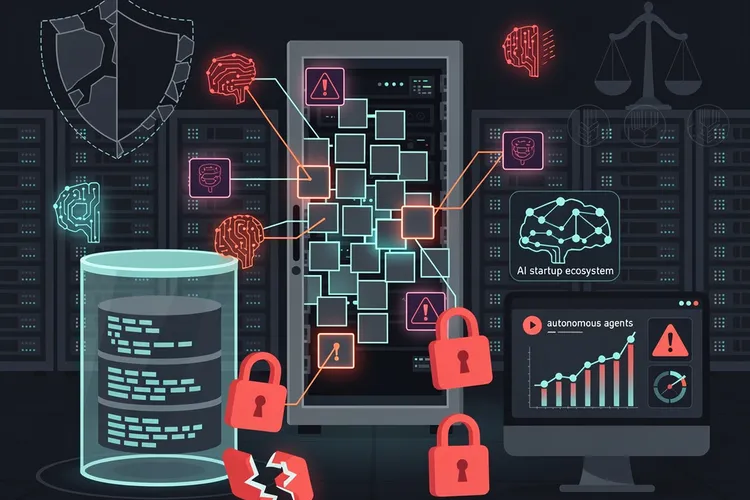
How a Startup’s Unsecured Database Exposed the Fragility of AI Agent Platforms
Moltbook's completely exposed database allowed anyone to hijack AI agents on the platform, revealing how rapid AI deployment is outpacing basic cybersecurity practices. The incident highlights growing security debt in the AI startup ecosystem and regulatory gaps in governing autonomous agent platforms.
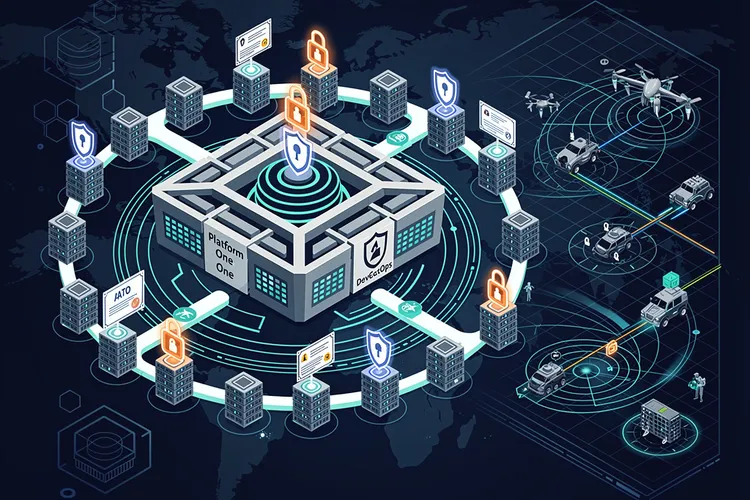
DevSecOps Arsenal: Pentagon’s Push for Warfighter Code at Warp Speed
The Pentagon's DevSecOps revolution integrates security into rapid software delivery, powering over 50 factories and slashing deployment times. From Platform One's secure pipelines to cATO approvals, it equips warfighters with resilient digital edge against evolving threats.

The Invisible Shield: Why Industrial Cybersecurity Still Can’t Quantify Its Worth to the Boardroom
Despite mounting threats to industrial control systems, OT cybersecurity teams face a persistent challenge: proving their value to executives when success means incidents that never happen. The struggle to quantify risk reduction in business terms leaves critical infrastructure chronically underprotected.

Data Scientist’s Trek: From Paris Courts to Australian Mineshafts
Simon Barres bridges labs and mines at QuantumBlack, deploying AI to optimize mining yields with sensor data and real-time models. His journey from Guadeloupe basketball to Amsterdam AI leadership highlights multidisciplinary impact in heavy industry.
Comcast’s Customer Exodus Accelerates Despite Aggressive Price Guarantees and Unlimited Data Offerings
Comcast continues hemorrhaging broadband subscribers despite introducing three-year price guarantees and unlimited data plans, revealing deeper structural challenges in the cable industry as fiber and fixed wireless competitors reshape market dynamics and erode the incumbent's once-dominant position.
Financial Giants and Tech Leaders Unite to Bridge Cloud Security Gap Between Theory and Practice
MITRE's Center for Threat-Informed Defense partners with Citigroup and industry leaders to create comprehensive mappings connecting cloud security controls to real-world cyberattack techniques, enabling organizations to make data-driven security decisions based on actual threats rather than compliance checklists.
AI’s Enterprise Boom Exposes Alarming Security Rifts
Zscaler's ThreatLabz 2026 AI Security Report uncovers 91% AI surge in enterprises, 18,000 TB data risks, and 100% system vulnerabilities hackable in 16 minutes, demanding Zero Trust overhaul.
Data Scientist: From Hype to High-Stakes Reality
Data scientists retain elite status in 2026 with median salaries over $140,000 and 34% job growth projected, but AI automation and oversaturation challenge juniors while elevating versatile seniors focused on business impact.
The $149 Million Record Breach: How an Unsecured Database Became a Criminal’s Shopping Mall
A massive unsecured database containing 149 million usernames and passwords, including credentials for Gmail and Facebook, has been discovered freely accessible on the internet, representing what security researchers call a 'dream wish list for criminals' and highlighting persistent failures in cybersecurity practices.
How Strategic On-Campus Employment Transforms Graduate Career Trajectories: Inside UWM’s Pipeline to Corporate Success
UWM master's student Uday Sanem secured a position at Johnson Controls before graduation through strategic on-campus employment and mentorship. His experience demonstrates how universities can leverage internal operations as career development incubators that produce job-ready graduates.
Why Modern Cyber Resilience Demands a Business-First Mindset: A CISO’s Blueprint for 2025
Modern cyber resilience requires CISOs to move beyond traditional security approaches, focusing instead on third-party risk management, emerging threats like AI and quantum computing, and aligning security initiatives with business objectives while building organizational cultures that prioritize recovery and continuity.
America’s Fiber-Optic Gold Rush Stalls as Skilled Workers Vanish From the Field
America's $65 billion push to build fiber-optic infrastructure faces an unexpected obstacle: a severe shortage of skilled workers. With 178,000 positions unfilled by 2032, the labor crisis threatens to delay both universal broadband access and the AI revolution that depends on it.
The Mounting Price Tag of AI Agent Deployment: Why Testing Costs Are Blindsiding Enterprise Budgets
Enterprises deploying AI agents are discovering a costly oversight: evaluation and testing expenses often exceed initial development costs. The non-deterministic nature of AI systems requires continuous, resource-intensive testing frameworks that can consume 30-40% of lifetime deployment costs, blindsiding organizations unprepared for this ongoing financial burden.
Outtake’s $40M Funding Round Signals Enterprise AI Security Has Reached Inflection Point
Outtake's $40 million Series B round, backed by Microsoft CEO Satya Nadella and billionaire Bill Ackman, signals AI security has evolved from niche concern to enterprise imperative. The investment reflects growing recognition that specialized security infrastructure is essential for production-scale AI deployment.
Meta’s Metaverse Bet Backfires: CTO Admits VR Neglect in Quest Overhaul
Meta CTO Andrew Bosworth admits metaverse pursuits caused 'lack of focus' on Quest VR, harming user experience amid 10% Reality Labs layoffs and studio closures. Shift targets wearables, mobile Horizon Worlds, and third-party content as losses top $64 billion.
Platform Engineering Labs Expands formae’s Reach with Multi-Cloud Beta, Challenging Industry Giants in Infrastructure-as-Code Market
Platform Engineering Labs launches beta multi-cloud support for formae, its open-source Infrastructure-as-Code platform, adding AWS, Google Cloud, Azure, and Oracle Cloud capabilities in a strategic move to compete with established IaC market leaders.
Zop.dev’s Unified Platform Tackles the Hidden Costs of Multi-Cloud Sprawl as Enterprises Seek Infrastructure Simplification
Zop.dev launches unified multi-cloud management platform targeting enterprises struggling with operational complexity across AWS, Azure, and Google Cloud. The solution promises consolidated monitoring, automated governance, and cost optimization as organizations reassess infrastructure strategies amid rising overhead and fragmented tooling challenges.
Tokyo and London Forge Strategic Alliance on Cyber Defense and Rare Earth Minerals Amid Beijing’s Growing Regional Dominance
Japan and the United Kingdom have announced a comprehensive partnership on cybersecurity and critical minerals supply chains, marking a strategic effort to reduce dependence on China. The agreement addresses both digital threats and resource security amid growing concerns about Beijing's dominance in rare earth production and state-sponsored cyber operations.
When Children’s Conversations Become Data: The Grok AI Toy Breach That Exposed 50,000 Private Chats
An AI toy called Grok exposed 50,000 conversation logs between children and the device to anyone with a Gmail account due to a cloud storage misconfiguration, raising serious questions about data security, regulatory compliance, and the protection of children's privacy in AI-enabled products.
When Innovation Becomes Paralysis: Why Security Chiefs Are Drowning in AI Possibilities
Chief Information Security Officers face an unexpected challenge: paralysis from AI abundance. Despite pressure to adopt artificial intelligence tools, security leaders struggle with vendor proliferation, integration nightmares, skills gaps, and regulatory uncertainty that create decision-making gridlock in enterprise security.
Dynatrace’s Agentic Overhaul: Fusing AI for Autonomous Enterprise Ops
Dynatrace's Perform 2026 unveiled Intelligence, fusing deterministic and agentic AI for autonomous ops grounded in unified observability. New integrations with AWS Bedrock, Azure, and ServiceNow drive context-engineered agents, slashing incidents and boosting ROI amid surging enterprise AI adoption.
IBM’s AI Surge Fuels Record Earnings, $11 Billion Confluent Bet Reshapes Data Play
IBM's Q4 revenue beat estimates at $19.69 billion, driven by 14% software growth and $12.5 billion AI bookings. The $11 billion Confluent deal promises real-time data for AI, with 2026 guidance over 5% revenue rise.
Subscribe Newsletter
Subscribe to our newsletter and stay up to date with the latest news, updates, and exclusive offers. Join our community today!
Windows 11’s Desktop Catastrophe: How a Critical Bug Paralyzed User Interfaces and What Microsoft’s Response Reveals About Modern OS Fragility
A critical Windows 11 bug has rendered desktop environments completely unusable for thousands of users worldwide, exposing vulnerabilities in Microsoft's quality assurance processes and raising serious questions about operating system reliability in enterprise environments.
The Security Gap Widening: Why 66% of Enterprises Can’t Detect Cloud Threats in Real Time
A new report reveals that while 88% of organizations operate across hybrid or multi-cloud environments, 66% lack confidence in real-time threat detection. This growing security gap exposes enterprises to sophisticated attacks exploiting the complexity of managing multiple cloud platforms simultaneously.
Samsung Knox: Zero Trust’s Mobile Fortress in Enterprise Cybersecurity Wars
Samsung Knox leads enterprise mobile security with zero trust principles, hardware attestation, and partnerships like Microsoft Intune and Cisco, countering endpoint breaches amid AI threats.
The Privacy Loophole Most Internet Users Don’t Know About: Why HTTPS Alone Won’t Protect You
Despite HTTPS encryption, ISPs can monitor every website users visit through unencrypted connection metadata. Encrypted Client Hello (ECH), a little-known browser setting, closes this privacy loophole but remains disabled by default in most browsers, leaving millions vulnerable to ISP surveillance and data monetization.
Inside Canada Computers’ Security Breach: A Forensic Analysis of Retail Technology Vulnerabilities
Canada Computers & Electronics disclosed a significant data breach exposing customer names, email addresses, billing information, and partial payment data. The incident highlights persistent cybersecurity vulnerabilities among mid-sized technology retailers operating with constrained security resources while facing sophisticated threats.
The Silent Theft: How Ghost Tapping Exploits Are Draining Accounts Through Contactless Payment Systems
Ghost tapping exploits are emerging as a critical threat to contactless payment security, with cybercriminals using modified NFC readers to initiate unauthorized transactions through wallets and clothing. This sophisticated fraud technique bypasses traditional security measures, targeting the 2.8 billion contactless cards globally while exploiting the convenience features consumers have embraced.
Archives
Authors
More ...-
 Vivian Stewart 57 articles
As a writer, Vivian Stewart covers retail operations with an eye for detail. They work through comparative reviews and hands‑on testing to make complex topics approachable. They believe good analysis should be specific, testable, and useful to practitioners. They frequently translate research into action for marketing teams, prioritizing clarity over buzzwords. Their coverage includes guidance for teams under resource or time constraints. They explore how policies, markets, and infrastructure intersect to create second‑order effects. They write about both the promise and the cost of transformation, including risks that are easy to overlook. They frequently compare approaches across industries to surface patterns that travel well. Readers appreciate their ability to connect strategic goals with everyday workflows. Their reporting blends qualitative insight with data, highlighting what actually changes decision‑making. They maintain a balanced tone, separating speculation from evidence. They are known for dissecting tools and strategies that improve execution without adding complexity. They emphasize decision‑making under uncertainty and imperfect data. Their work aims to be useful first, timely second.
-
 Emily Scott 68 articles
As a writer, Emily Scott covers consumer behavior with an eye for detail. They work through clear frameworks, case studies, and practical checklists to make complex topics approachable. They value transparent sourcing and prefer primary data when it is available. A recurring theme in their writing is how teams build repeatable systems and measure impact over time. They often cover how organizations respond to change, from process redesign to technology adoption. Their reporting blends qualitative insight with data, highlighting what actually changes decision‑making. They emphasize responsible innovation and the constraints teams face when scaling products or services. They maintain a balanced tone, separating speculation from evidence. Their coverage includes guidance for teams under resource or time constraints. Readers appreciate their ability to connect strategic goals with everyday workflows. They write about both the promise and the cost of transformation, including risks that are easy to overlook. They tend to favor small experiments over sweeping predictions. They value transparency, practical advice, and honest uncertainty.
-
 Emily Chen 63 articles
Known for clear analysis, Emily Chen follows retail operations and the people building it. They work through clear frameworks, case studies, and practical checklists to make complex topics approachable. They often cover how organizations respond to change, from process redesign to technology adoption. Readers appreciate their ability to connect strategic goals with everyday workflows. They examine how customer expectations evolve and how organizations adapt to meet them. They value transparent sourcing and prefer primary data when it is available. A recurring theme in their writing is how teams build repeatable systems and measure impact over time. They also highlight cultural factors that determine whether change sticks. They avoid buzzwords, focusing instead on outcomes, incentives, and the human side of technology. They explore how policies, markets, and infrastructure intersect to create second‑order effects. They believe good analysis should be specific, testable, and useful to practitioners. They tend to favor small experiments over sweeping predictions. They value transparency, practical advice, and honest uncertainty.
-
 Layla Reed 56 articles
Known for clear analysis, Layla Reed follows retail operations and the people building it. They work through long‑form narratives grounded in real‑world metrics to make complex topics approachable. They believe good analysis should be specific, testable, and useful to practitioners. They avoid buzzwords, focusing instead on outcomes, incentives, and the human side of technology. They explore how policies, markets, and infrastructure intersect to create second‑order effects. They frequently compare approaches across industries to surface patterns that travel well. They are known for dissecting tools and strategies that improve execution without adding complexity. A recurring theme in their writing is how teams build repeatable systems and measure impact over time. Their reporting blends qualitative insight with data, highlighting what actually changes decision‑making. They often cover how organizations respond to change, from process redesign to technology adoption. They maintain a balanced tone, separating speculation from evidence. Outside of publishing, they track public datasets and industry benchmarks. Readers return for the clarity, the caution, and the actionable takeaways.
-
 Stella Evans 57 articles
Stella Evans is a journalist who focuses on AI deployment. They work through trend monitoring with careful context and caveats to make complex topics approachable. They believe good analysis should be specific, testable, and useful to practitioners. They examine how customer expectations evolve and how organizations adapt to meet them. Their reporting blends qualitative insight with data, highlighting what actually changes decision‑making. Readers appreciate their ability to connect strategic goals with everyday workflows. They write about both the promise and the cost of transformation, including risks that are easy to overlook. They also highlight cultural factors that determine whether change sticks. Their coverage includes guidance for teams under resource or time constraints. Their perspective is shaped by interviews across engineering, operations, and leadership roles. They often cover how organizations respond to change, from process redesign to technology adoption. They maintain a balanced tone, separating speculation from evidence. They are interested in the economics of scale and operational resilience. They prefer evidence over hype and explain trade‑offs plainly.
-
 Micah Shaw 60 articles
Micah Shaw specializes in developer productivity and reports on the systems behind modern business. Their approach combines interviews with operators and data‑backed analysis. Their perspective is shaped by interviews across engineering, operations, and leadership roles. Readers appreciate their ability to connect strategic goals with everyday workflows. They frequently compare approaches across industries to surface patterns that travel well. Their reporting blends qualitative insight with data, highlighting what actually changes decision‑making. They maintain a balanced tone, separating speculation from evidence. Their coverage includes guidance for teams under resource or time constraints. They emphasize responsible innovation and the constraints teams face when scaling products or services. They are known for dissecting tools and strategies that improve execution without adding complexity. They look for overlooked details that differentiate sustainable success from short‑term wins. A recurring theme in their writing is how teams build repeatable systems and measure impact over time. They watch the policy landscape closely when it affects product strategy. Their work aims to be useful first, timely second.