
Retail Ecommerce
Retail Ecommerce covers digital storefronts, customer experience, payments, logistics, and growth strategies. We spotlight trends in marketplaces, personalization, and fulfillment, plus practical tips for optimizing conversion, retention, and brand trust. Stay ahead with insights that help retailers sell smarter and scale efficiently.

Proton Warns: Big Tech Faces $7.3B EU Fines in 2025, Just One Month’s Revenue
Proton warns that Big Tech giants like Google, Apple, Meta, and Amazon could face $7.3 billion in fines in 2025 for privacy and antitrust violations under EU laws, yet this amounts to just one month's revenue. The report criticizes fines as ineffective deterrents and urges structural reforms for real change.

Apple Launches Creator Studio: $12.99 Subscription with AI Tools
Apple has launched Apple Creator Studio, a $12.99/month subscription bundling apps like Final Cut Pro and Logic Pro with exclusive AI features for creators. This shift from one-time purchases aims to compete with Adobe's Creative Cloud, offering value but sparking mixed reactions over subscription fatigue and feature gating.

Saks’ Collapse Hands Macy’s a Rare Retail Lifeline
Saks Global's bankruptcy creates openings for Macy's to seize luxury market share in beauty and fashion, amid debt woes and restructuring. Analysts see a once-in-a-lifetime chance for Macy's turnaround.

T-Mobile’s Better Value Plan: $140 Unlimited 5G for Families, Big Savings
T-Mobile's January 2026 Better Value plan offers families $140 for three lines with unlimited 5G data, streaming perks, and a five-year price lock, promising over $1,000 in savings versus rivals. It includes device deals and bundles, aiming to boost retention amid economic pressures and industry competition.

Saks Global Files for Chapter 11 Bankruptcy Amid $5B Debt from Merger
Saks Global, owner of Saks Fifth Avenue, filed for Chapter 11 bankruptcy on January 14, 2026, overwhelmed by $5 billion in debt from its 2025 Neiman Marcus merger amid declining luxury sales and online competition. Despite $1.75 billion in financing, the retailer's future remains uncertain.

Spotify Raises US Premium Price to $13/Month in Third Hike
Spotify is increasing its US premium subscription to $13/month, the third hike in three years, to boost revenue amid rising costs and competition. This reflects the maturing streaming market's shift toward profitability, with mixed user reactions and potential risks to retention. Competitors like Apple Music remain cheaper, testing Spotify's value proposition.

Macy’s Bold Closures: 14 Stores Shuttered in 2026 Push
Macy's shutters 14 stores in 12 states in 2026 under its Bold New Chapter plan, sparing Ohio after prior cuts. The strategy drives stock gains and reinvests in 350 locations amid digital shifts.
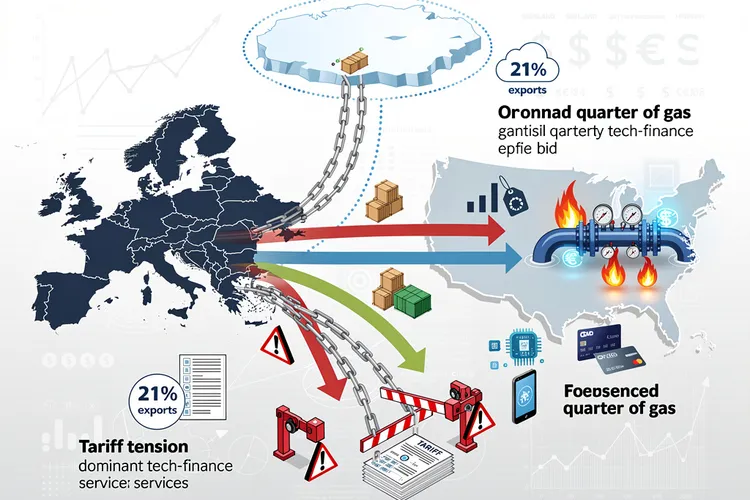
Europe’s Bind: Defying Trump While Clinging to U.S. Lifelines
Europe defies Trump's Greenland bid but remains tethered to U.S. security, 21% of exports, quarter of gas, and dominant tech-finance services, amplifying leverage amid tariffs and tensions.

Global Mobile App Downloads Drop 2.7% in 2025, Spending Surges 21.6%
In 2025, global mobile app downloads fell 2.7% to 106.9 billion, marking five years of decline, while consumer spending surged 21.6% to $155.8 billion. This shift reflects a maturing market favoring subscriptions in non-game apps like streaming and fitness. AI innovations may reverse trends, promising sustained growth.
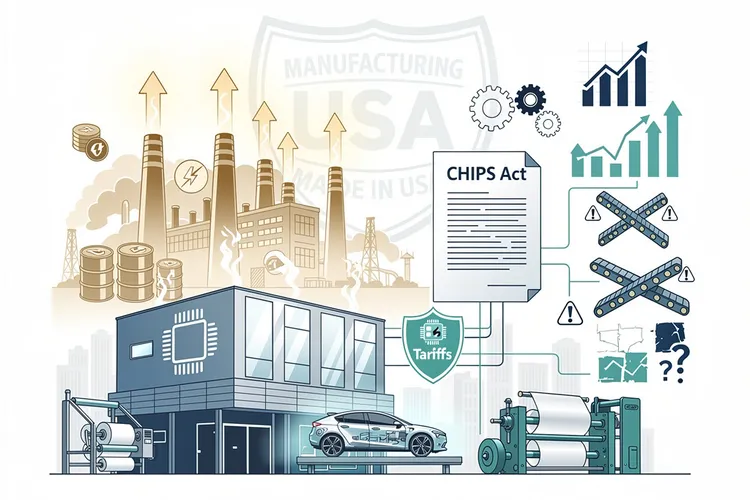
Reviving US Factories: Why Postwar Glory Can’t Return
America's postwar manufacturing boom was a fluke driven by unique global dominance and cheap energy. Today's reshoring in chips, EVs and textiles via CHIPS Act and tariffs creates high-skill jobs but faces labor shortages and investment hurdles, defying nostalgic revival dreams.
EquipmentShare’s $7B Nasdaq Surge: Digitizing the Dusty World of Construction Rentals
EquipmentShare's shares surged 16.3% to value the firm at $7.16B on Nasdaq debut after a $747M IPO, powered by T3 platform and OWN program amid booming construction rentals.
Samsung Eyes $66B Record Profits in 2026 Amid AI Chip Boom
Samsung Electronics is poised for record profits, projecting $66 billion in 2026, driven by AI-fueled demand for memory chips like DRAM and HBM amid global shortages and price surges over 50%. Competitors like SK Hynix and Micron also thrive, though challenges like overproduction loom. This boom reshapes the semiconductor industry.
Voice Commerce’s Hype Bust: Failures and Revival Prospects
Voice commerce, hyped in the mid-2010s as a revolutionary hands-free shopping method via devices like Alexa, failed to meet $40 billion projections by 2022 due to accuracy issues, privacy concerns, and preference for visual interfaces. Despite stagnation, niches like enterprise and hybrid systems offer revival potential.
Saks-Neiman Merger’s Swift Collapse: Debt, Demand Slump Fuel Bankruptcy
Saks Global's Neiman Marcus acquisition ended in Chapter 11 bankruptcy after $5 billion debt overwhelmed slumping sales and failed synergies. Private credit fueled high interest, while consumer shifts battered luxury demand. Restructuring eyes store closures and DIP financing.
Apple’s 2026 Gambit: Inside the Unconventional Two-Part Overhaul of the MacBook Pro
Apple is reportedly planning an unprecedented two-stage MacBook Pro update for 2026, starting with an M5 chip refresh and culminating in a major OLED-equipped redesign. This deep dive explores the strategy, technology, and market implications of this ambitious roadmap, which signals a new competitive urgency.
Lowe’s Gambit: Kids’ Events and Loyalty Perks Target Delayed Homebuyers
Lowe’s counters delayed U.S. homebuying with kids’ events, influencer collaborations, and a revamped loyalty program to drive traffic and sales in a sluggish market. Targeting families averaging 37 years old for first homes, the retailer aims for growth amid housing slowdown.
Graphics Card Industry Faces Existential Threat as Memory Supply Crisis Deepens
Zotac warns that graphics card manufacturers face an existential crisis as memory supply shortages threaten to eliminate smaller players from the market. The combination of limited GDDR6 and GDDR7 availability, escalating costs, and concentrated supplier power creates unprecedented challenges for an industry already navigating technological transitions and geopolitical tensions.
Trump’s 2025 Tariffs Erode US Dominance, Boost Emerging Markets
In 2025, U.S. trade dominance erodes under Trump's aggressive tariffs, prompting global nations to diversify supply chains, accelerate de-dollarization, and form new alliances. Emerging markets like Mexico and India benefit, reshaping geopolitics. This self-inflicted shift fragments the world economy, favoring adaptable players over isolationism.
Amazon Driver’s Cat Heist Ignites Fury in Gig Delivery Wars
An Amazon Flex driver in Lakewood, California, was caught on video stealing family cat Piper during a delivery, prompting Amazon's ban and a desperate search. The incident exposes gig delivery risks amid e-commerce boom.
Domino’s Pizza Reclaims Throne Through Tech and Value Plays
Domino's Pizza has reclaimed industry leadership via digital dominance, value deals, and operational efficiencies, outpacing rivals like Pizza Hut amid economic headwinds. Tech investments drive 85% of sales through apps.
2026 Logistics Disruptions: Mail Delays, Lost Packages Erode Trust
In 2026, the logistics sector faces severe disruptions from labor shortages, technological failures, geopolitical tensions, and rising costs, causing widespread mail delays and lost packages, especially via USPS and private carriers. These issues erode customer trust and highlight systemic failures. Urgent reforms are needed to build resilient supply chains.
Apple Turns to Samsung for 70% of iPhone 17 RAM Amid AI Shortage
Apple is increasing its reliance on Samsung for 60-70% of low-power DRAM for the iPhone 17 amid a global RAM shortage driven by AI demand and production shifts. Prices have doubled, risking higher costs for devices, with the crunch potentially lasting until 2027. This highlights supply chain vulnerabilities for tech giants.
Copper’s Perfect Storm: How AI Infrastructure and Chinese Stimulus Are Reshaping Global Metal Markets
Artificial intelligence infrastructure demands and potential Chinese stimulus are converging with supply constraints to create unprecedented pressure on copper markets. Industry analysts predict record prices by 2026 as data centers, electric vehicles, and clean energy projects drive structural demand growth.
Starlink’s Subsidy Gambit: Why SpaceX Wants Taxpayer Money Even When Customers Don’t Want the Service
SpaceX's Starlink is demanding millions in state broadband subsidies while refusing to guarantee that residents will actually subscribe to its service. The conflict reveals fundamental tensions between corporate interests and public accountability in telecommunications policy, with taxpayer dollars at stake.
AI Demand Drives RAM Price Hike, Disrupting Android Gaming Handhelds
Skyrocketing RAM prices, driven by AI data centers' high demand, are disrupting the Android gaming handheld market. Manufacturers like Ayn and Retroid face delays, spec cuts, and cost hikes for devices such as the Odin 2. This could stifle innovation and accessibility, though adaptations like software optimizations may mitigate impacts.
Nvidia Eyes H200 Chip Production Boost for Surging China Demand
Nvidia is considering ramping up H200 chip production to meet surging demand from Chinese firms like Alibaba and ByteDance, following U.S. export approvals with a 25% fee. This move balances revenue opportunities against geopolitical risks, supply chain constraints, and China's push for domestic alternatives. The decision could reshape global AI hardware dynamics.
AI Memory Shortage to Cause PC Market Shrinkage and Price Hikes by 2026
A severe memory shortage, fueled by AI data center demand, threatens the PC industry by 2026, potentially causing up to 8.9% market contraction and 8% price hikes. Manufacturers are shifting production, leading to spec downgrades and consumer frustration. This crisis could reshape affordability and innovation in consumer tech.
FTC Slaps Amazon with $2.5B Settlement Over Prime Deceptions
In 2026, the FTC imposed a $2.5 billion settlement on Amazon for deceptive Prime enrollment and difficult cancellations, including $1.5 billion in refunds to millions and a $1 billion penalty. Amazon must simplify processes, signaling broader regulatory shifts in subscription services. This highlights growing scrutiny on tech giants' practices.
Subscribe Newsletter
Subscribe to our newsletter and stay up to date with the latest news, updates, and exclusive offers. Join our community today!
Apple Fined $150K by New Jersey for Obscure Store Pricing
Apple Inc. agreed to pay a $150,000 fine to New Jersey for violating a 2017 consent order by not clearly displaying prices in its 11 stores statewide, relying instead on staff or kiosks. The settlement requires enhanced employee training, audits, and visible pricing to ensure consumer transparency. This adds to Apple's mounting global regulatory challenges.
AI Set to Power Enterprise Transformation in 2026 Amid Challenges
In 2026, AI solidifies as the enterprise backbone, integrating with cloud and edge computing to drive intelligent apps, predictive tools, and transformations in healthcare, transportation, and beyond. Amid compute scarcity, geopolitical tensions, and ethical concerns, businesses focus on sustainable innovations and scalable implementations for measurable impact.
Walmart’s Drone Surge: 40 Million Shoppers in Sight by 2027
Walmart plans drone delivery from 270 stores by 2027, reaching 40 million customers via Wing and Zipline. FAA rules and Houston launches propel expansion to cities like LA and Miami, outpacing rivals in aerial retail logistics.
China’s Factories Flip to Profit After Three-Year Slide
China's industrial profits rose 0.6% in 2025, ending three years of declines, driven by high-tech gains and anti-price war measures. December surged 5.3%, but weak domestic demand clouds the outlook.
The $5,000-a-Year Habit: How Delivery Apps Transformed American Dining Into a Stay-Home Economy
Nearly 75% of U.S. restaurant orders in 2024 were consumed off-premises, with power users spending over $5,000 annually on delivery apps. This seismic shift is reshaping not just the restaurant industry, but American social habits, labor markets, and urban development patterns.
Canadian Provinces Sell Banned US Liquor, Donate Proceeds to Charities
Amid US-Canada trade tensions, provinces banned American liquor, amassing stockpiles at risk of spoilage. Now, regions like Manitoba and Newfoundland are selling them off, donating proceeds to food banks and charities. This strategy mitigates waste while boosting community support and exposing broader economic impacts.
Archives
Authors
More ...-
 Vivian Stewart 57 articles
As a writer, Vivian Stewart covers retail operations with an eye for detail. They work through comparative reviews and hands‑on testing to make complex topics approachable. They believe good analysis should be specific, testable, and useful to practitioners. They frequently translate research into action for marketing teams, prioritizing clarity over buzzwords. Their coverage includes guidance for teams under resource or time constraints. They explore how policies, markets, and infrastructure intersect to create second‑order effects. They write about both the promise and the cost of transformation, including risks that are easy to overlook. They frequently compare approaches across industries to surface patterns that travel well. Readers appreciate their ability to connect strategic goals with everyday workflows. Their reporting blends qualitative insight with data, highlighting what actually changes decision‑making. They maintain a balanced tone, separating speculation from evidence. They are known for dissecting tools and strategies that improve execution without adding complexity. They emphasize decision‑making under uncertainty and imperfect data. Their work aims to be useful first, timely second.
-
 Emily Scott 68 articles
As a writer, Emily Scott covers consumer behavior with an eye for detail. They work through clear frameworks, case studies, and practical checklists to make complex topics approachable. They value transparent sourcing and prefer primary data when it is available. A recurring theme in their writing is how teams build repeatable systems and measure impact over time. They often cover how organizations respond to change, from process redesign to technology adoption. Their reporting blends qualitative insight with data, highlighting what actually changes decision‑making. They emphasize responsible innovation and the constraints teams face when scaling products or services. They maintain a balanced tone, separating speculation from evidence. Their coverage includes guidance for teams under resource or time constraints. Readers appreciate their ability to connect strategic goals with everyday workflows. They write about both the promise and the cost of transformation, including risks that are easy to overlook. They tend to favor small experiments over sweeping predictions. They value transparency, practical advice, and honest uncertainty.
-
 Emily Chen 63 articles
Known for clear analysis, Emily Chen follows retail operations and the people building it. They work through clear frameworks, case studies, and practical checklists to make complex topics approachable. They often cover how organizations respond to change, from process redesign to technology adoption. Readers appreciate their ability to connect strategic goals with everyday workflows. They examine how customer expectations evolve and how organizations adapt to meet them. They value transparent sourcing and prefer primary data when it is available. A recurring theme in their writing is how teams build repeatable systems and measure impact over time. They also highlight cultural factors that determine whether change sticks. They avoid buzzwords, focusing instead on outcomes, incentives, and the human side of technology. They explore how policies, markets, and infrastructure intersect to create second‑order effects. They believe good analysis should be specific, testable, and useful to practitioners. They tend to favor small experiments over sweeping predictions. They value transparency, practical advice, and honest uncertainty.
-
 Layla Reed 56 articles
Known for clear analysis, Layla Reed follows retail operations and the people building it. They work through long‑form narratives grounded in real‑world metrics to make complex topics approachable. They believe good analysis should be specific, testable, and useful to practitioners. They avoid buzzwords, focusing instead on outcomes, incentives, and the human side of technology. They explore how policies, markets, and infrastructure intersect to create second‑order effects. They frequently compare approaches across industries to surface patterns that travel well. They are known for dissecting tools and strategies that improve execution without adding complexity. A recurring theme in their writing is how teams build repeatable systems and measure impact over time. Their reporting blends qualitative insight with data, highlighting what actually changes decision‑making. They often cover how organizations respond to change, from process redesign to technology adoption. They maintain a balanced tone, separating speculation from evidence. Outside of publishing, they track public datasets and industry benchmarks. Readers return for the clarity, the caution, and the actionable takeaways.
-
 Stella Evans 57 articles
Stella Evans is a journalist who focuses on AI deployment. They work through trend monitoring with careful context and caveats to make complex topics approachable. They believe good analysis should be specific, testable, and useful to practitioners. They examine how customer expectations evolve and how organizations adapt to meet them. Their reporting blends qualitative insight with data, highlighting what actually changes decision‑making. Readers appreciate their ability to connect strategic goals with everyday workflows. They write about both the promise and the cost of transformation, including risks that are easy to overlook. They also highlight cultural factors that determine whether change sticks. Their coverage includes guidance for teams under resource or time constraints. Their perspective is shaped by interviews across engineering, operations, and leadership roles. They often cover how organizations respond to change, from process redesign to technology adoption. They maintain a balanced tone, separating speculation from evidence. They are interested in the economics of scale and operational resilience. They prefer evidence over hype and explain trade‑offs plainly.
-
 Micah Shaw 60 articles
Micah Shaw specializes in developer productivity and reports on the systems behind modern business. Their approach combines interviews with operators and data‑backed analysis. Their perspective is shaped by interviews across engineering, operations, and leadership roles. Readers appreciate their ability to connect strategic goals with everyday workflows. They frequently compare approaches across industries to surface patterns that travel well. Their reporting blends qualitative insight with data, highlighting what actually changes decision‑making. They maintain a balanced tone, separating speculation from evidence. Their coverage includes guidance for teams under resource or time constraints. They emphasize responsible innovation and the constraints teams face when scaling products or services. They are known for dissecting tools and strategies that improve execution without adding complexity. They look for overlooked details that differentiate sustainable success from short‑term wins. A recurring theme in their writing is how teams build repeatable systems and measure impact over time. They watch the policy landscape closely when it affects product strategy. Their work aims to be useful first, timely second.