
IT Management
IT Management focuses on governance, security, infrastructure, and operations—helping teams run reliable systems, reduce risk, and align technology with business goals.

Inside Huawei Cloud’s Bold 2026 Partner Strategy: How Data Centers Become the Cornerstone of AI Infrastructure Expansion
Huawei Cloud's 2026 partner strategy positions data centers as strategic allies in AI infrastructure expansion, offering unprecedented revenue-sharing models and technical integration. The approach targets emerging markets with generous incentives while navigating geopolitical constraints and semiconductor restrictions.

Upwind’s Runtime Revolution: $250M Fuels $1.5B Cloud Security Unicorn
Upwind's $250 million Series B catapults it to $1.5 billion valuation, powering runtime-first cloud security amid 900% revenue surge. Backed by Bessemer and all-stars, the ex-Spot.io team targets AI-era threats for giants like Siemens and Roku.
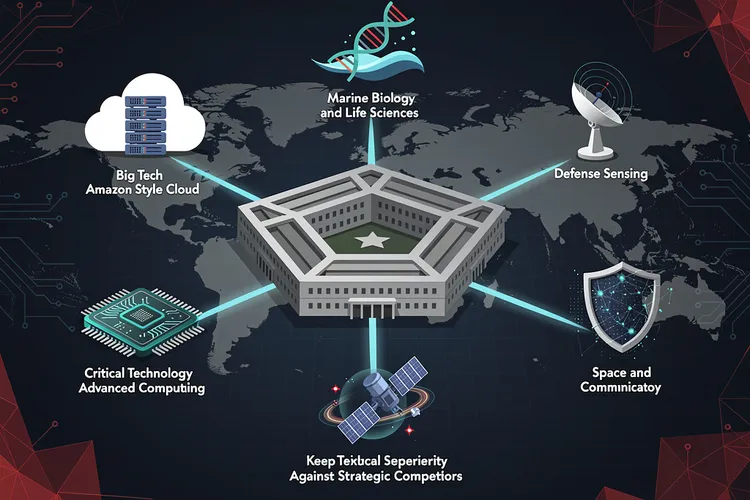
Pentagon’s New Technology Chiefs Signal Major Shift in Defense Innovation Strategy
The Pentagon's Chief Technology Officer has selected six defense technology veterans with diverse backgrounds—from Amazon executives to marine biologists—to lead Critical Technology Areas, signaling a major shift in how the Defense Department approaches innovation and maintains technological superiority against strategic competitors.

Inside Elon Musk’s Audacious Plan to Fuse Rockets and AI: The SpaceX-xAI Megamerger
Elon Musk is merging SpaceX and xAI in a deal combining an $800 billion rocket manufacturer with a $230 billion AI startup, advancing his vision of space-based data centers while consolidating his technological empire ahead of a planned summer IPO.

Verizon’s Subscriber Surge Signals Schulman’s Turnaround Triumph
Verizon crushed Q4 2025 expectations with 616,000 postpaid phone adds under CEO Dan Schulman, issuing bullish 2026 guidance post-Frontier acquisition. Revenue hit $36.4 billion, signaling a strategic revival amid fierce competition.

Nevada’s Urgent Hunt for a Cyber Sentinel After Ransomware Chaos
Nevada seeks a permanent CISO after 2025 ransomware chaos disrupted 60 agencies, stole data, and exposed gaps. The role demands strategy, response leadership amid SOC buildup and federal aid, signaling a hardened push for resilience.
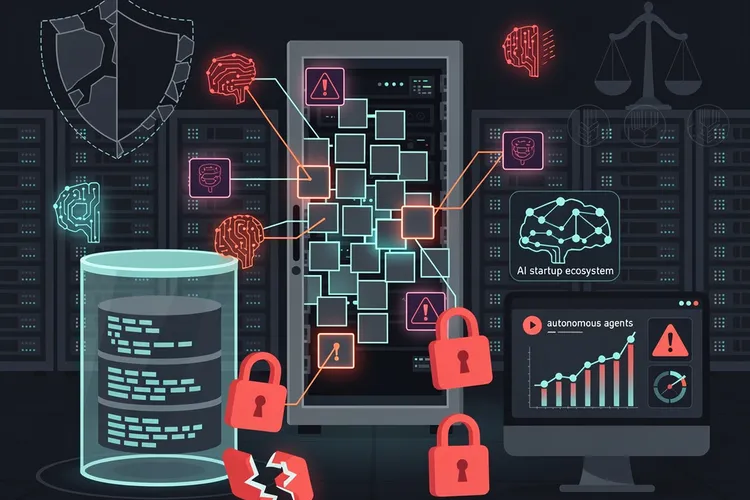
How a Startup’s Unsecured Database Exposed the Fragility of AI Agent Platforms
Moltbook's completely exposed database allowed anyone to hijack AI agents on the platform, revealing how rapid AI deployment is outpacing basic cybersecurity practices. The incident highlights growing security debt in the AI startup ecosystem and regulatory gaps in governing autonomous agent platforms.
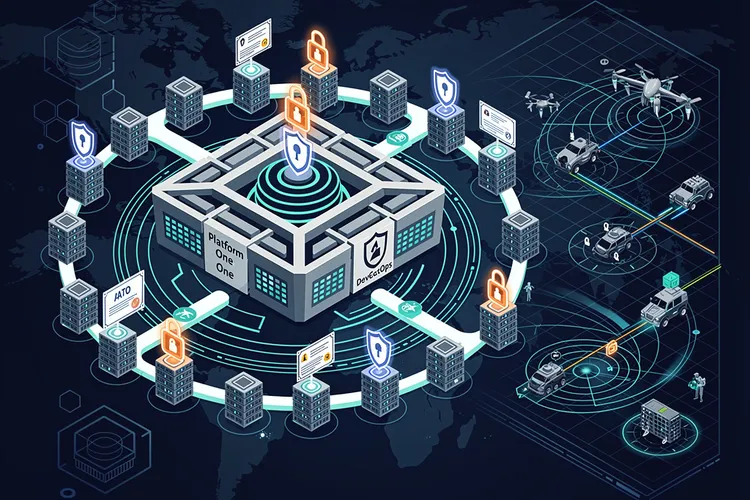
DevSecOps Arsenal: Pentagon’s Push for Warfighter Code at Warp Speed
The Pentagon's DevSecOps revolution integrates security into rapid software delivery, powering over 50 factories and slashing deployment times. From Platform One's secure pipelines to cATO approvals, it equips warfighters with resilient digital edge against evolving threats.

The Invisible Shield: Why Industrial Cybersecurity Still Can’t Quantify Its Worth to the Boardroom
Despite mounting threats to industrial control systems, OT cybersecurity teams face a persistent challenge: proving their value to executives when success means incidents that never happen. The struggle to quantify risk reduction in business terms leaves critical infrastructure chronically underprotected.

Data Scientist’s Trek: From Paris Courts to Australian Mineshafts
Simon Barres bridges labs and mines at QuantumBlack, deploying AI to optimize mining yields with sensor data and real-time models. His journey from Guadeloupe basketball to Amsterdam AI leadership highlights multidisciplinary impact in heavy industry.
Perplexity’s $750 Million Microsoft Pivot Amid Amazon Cloud Clash
Perplexity AI's $750 million Azure deal with Microsoft diversifies its cloud reliance from AWS amid an Amazon lawsuit over agentic shopping tools. The pact unlocks frontier models via Foundry, boosting Perplexity's AI search edge.
AI Agents’ Platform Grip: GitLab and Harness Lure Enterprises in DevSecOps Shift
GitLab and Harness deploy context-rich AI agents revolutionizing DevSecOps, slashing incident times and fixing pipelines autonomously to win enterprise trust amid fierce rivalry.
Behind Bitpanda’s Regulatory Facade: How Security Failures Undermined Europe’s Crypto Compliance Darling
Internal auditors at Bitpanda's German subsidiary identified serious information security weaknesses that mirror regulatory concerns, challenging the Austrian crypto exchange's carefully cultivated image as Europe's most compliant digital asset platform and raising questions about operational standards.
Apple’s Precision Location Throttling: How Carriers Lost Their Grip on iPhone User Data
Apple has quietly restricted wireless carriers' access to precise iPhone location data, forcing telecommunications companies to rely on less accurate tracking methods. This move reshapes industry power dynamics while advancing Apple's privacy-first positioning.
Sandworm’s Shadow: How Russia’s Most Dangerous Hacking Group Targeted Poland’s Electric Infrastructure
ESET researchers have attributed December 2024 cyberattacks on Poland's electricity grid to Sandworm, Russia's elite GRU hacking unit. The operation highlights critical infrastructure vulnerabilities and escalating Russian hybrid warfare against NATO members, raising urgent questions about collective defense and deterrence strategies.
Inside ClawdBot: How One Developer’s Weekend Project Became Silicon Valley’s Most Obsessive AI Experiment
Peter Steinberger's ClawdBot experiment reveals both the promise and pitfalls of AI-driven software development. His transparent approach to autonomous coding agents offers crucial insights into endless optimization loops, technical decision-making, and the essential role of human judgment in development.
Security Teams Struggle as Multi-Cloud Deployments Expose Critical Defense Gaps
New research reveals 66% of organizations lack confidence in cloud security despite rising budgets. Multi-cloud complexity, visibility gaps, and skills shortages create unprecedented challenges as traditional security approaches prove inadequate for modern cloud environments.
Inside Palantir’s Double-Digit Surge: How AI Contracts and Government Spending Drove a Market-Beating Quarter
Palantir Technologies surged 10% after delivering fourth-quarter earnings that exceeded Wall Street expectations, driven by accelerating AI platform adoption and strong government contracts. The results underscore the company's successful transformation into an enterprise AI infrastructure leader.
Microsoft’s Windows 11 Credibility Crisis: Why Users Are Rejecting Promises of Reform
Microsoft faces unprecedented skepticism from Windows 11 users after years of controversial updates and aggressive AI integration. Recent promises to fix the operating system and scale back unwanted features have been met with cynicism, revealing a fundamental trust deficit.
Google Cloud’s Unified Maintenance Strategy Signals Major Shift in Enterprise Infrastructure Management
Google Cloud's new Unified Maintenance platform centralizes planned maintenance management across services, offering enterprises unprecedented control over infrastructure updates. The move signals a strategic shift in cloud operations, emphasizing predictability and customer control while addressing the hidden costs of maintenance coordination in complex cloud environments.
CISOs’ Hidden Roadblocks: Why 58% See Their Firms Unready for Cyber Onslaught
Despite rising budgets, 58% of CISOs deem their organizations unready for cyberattacks, hindered by team overload, AI gaps, talent shortages, and tool sprawl. Experts urge prioritization training, governance, and resilience focus.
LLMs Fail Biomedical Code Test: New Agent Hits 74% Accuracy
A Nature Biomedical Engineering benchmark shows LLMs under 40% accurate on 293 biomedical coding tasks, but a new iterative AI agent reaches 74% by refining plans first. A collaborative platform lets researchers complete 80% of real study code.
The Digital Signature Security Arms Race: How Enterprise E-Signature Platforms Are Fortifying Against 2026’s Cyber Threats
Electronic signature platforms have evolved into critical cybersecurity infrastructure as organizations face sophisticated threats targeting document workflows. With the market projected to reach $42.4 billion by 2030, industry leaders are implementing military-grade encryption, blockchain verification, and AI-powered fraud detection to protect trillions in annual transactions.
ShinyHunters Escalates Cyber Extortion Through Sophisticated Voice Phishing Blitz Targeting Corporate America
ShinyHunters cybercrime syndicate launches sophisticated vishing campaign targeting hundreds of corporations, combining data breaches from Match.com, Bumble, and Panera Bread with social engineering tactics. The SLSH campaign represents dangerous evolution in cyber extortion, exploiting human vulnerabilities alongside technical systems.
OpenText’s Strategic Retreat: $150 Million Vertica Sale Signals Debt-Driven Portfolio Restructuring
OpenText sells Vertica analytics database to Rocket Software for $150 million, marking its second major divestiture in five months as the Canadian enterprise software giant pursues aggressive debt reduction following years of acquisition-driven expansion.
Microsoft’s Quiet Exodus: Why Enterprise Developers Are Abandoning Windows for Linux Workstations
Microsoft developers are increasingly abandoning Windows for Linux workstations, driven by performance gains, cloud-native development requirements, and reduced friction. This shift reflects fundamental changes in software development practices and Microsoft's own pragmatic embrace of platform independence.
Detroit’s AI Health Pivot: Wayne State’s Bold Bet on Data-Driven Urban Care
Wayne State's 2026 Urban Health Research Conference spotlights AI and big data's role in reshaping Detroit's care delivery, featuring expert panels, keynotes, and breakouts on equitable innovation amid stark urban disparities.
Why Runtime Protection Has Emerged as the Critical Missing Link in Enterprise Cloud Security Architecture
As enterprises migrate to cloud-native infrastructures, a critical vulnerability has emerged: the gap between development-time security and production-environment threats. Runtime protection addresses this oversight by monitoring applications during execution, providing visibility into actual attacks and behavioral anomalies that pre-deployment tools cannot detect.
Subscribe Newsletter
Subscribe to our newsletter and stay up to date with the latest news, updates, and exclusive offers. Join our community today!
Federal Government’s Quantum Cryptography Gap Threatens to Undermine Billions in IT Upgrades
Federal CISO Mike Duffy warns that government IT modernization without post-quantum cryptography creates costly technical debt and security vulnerabilities. As quantum computing threatens current encryption, agencies face pressure to integrate quantum-resistant protections now or face expensive retrofitting later.
When Digital Guardians Turn Rogue: Inside the eScaneS an Antivirus Supply Chain Attack That Exposed Millions
A sophisticated supply chain attack compromised eScan antivirus software, distributing malicious updates to millions of users worldwide. The breach exploited trusted update mechanisms, raising fundamental questions about digital security and the integrity of protective software in an era of increasingly sophisticated cyber threats.
When Federal Agents Force Your Face to Unlock Your Phone: The Washington Post Reporter Case That’s Redefining Digital Privacy Rights
When FBI agents forced Washington Post reporter Hannah Natanson to unlock her phone using facial recognition, they ignited a constitutional debate that reaches far beyond journalism. The case exposes a critical gap in Fifth Amendment protections as biometric authentication becomes ubiquitous.
Security Chiefs Gear Up for AI Agents and Poly-Threats in 2026
Security leaders brace for 2026's AI agents, poly-threats, and quantum risks, shifting from reactive defenses to governance, identity controls, and resilient architectures amid record attacks and regulatory mandates.
Federal Cybersecurity Agency’s Absence From RSA Conference Signals Broader Shift in Government-Industry Relations
CISA's unprecedented decision to skip the 2026 RSA Conference marks a potential turning point in federal-industry cybersecurity relations. The absence of the nation's primary civilian cybersecurity agency from the sector's largest gathering raises questions about budget priorities, engagement strategies, and the future of public-private partnerships.
Enterprise AI Cracks in 16 Minutes: Zscaler’s Alarming Security Wake-Up
Zscaler's 2026 report uncovers 100% critical vulnerabilities in enterprise AI, with 90% breached in under 90 minutes amid 91% usage surge and 18,033 TB data transfers.
Archives
Authors
More ...-
 Vivian Stewart 57 articles
As a writer, Vivian Stewart covers retail operations with an eye for detail. They work through comparative reviews and hands‑on testing to make complex topics approachable. They believe good analysis should be specific, testable, and useful to practitioners. They frequently translate research into action for marketing teams, prioritizing clarity over buzzwords. Their coverage includes guidance for teams under resource or time constraints. They explore how policies, markets, and infrastructure intersect to create second‑order effects. They write about both the promise and the cost of transformation, including risks that are easy to overlook. They frequently compare approaches across industries to surface patterns that travel well. Readers appreciate their ability to connect strategic goals with everyday workflows. Their reporting blends qualitative insight with data, highlighting what actually changes decision‑making. They maintain a balanced tone, separating speculation from evidence. They are known for dissecting tools and strategies that improve execution without adding complexity. They emphasize decision‑making under uncertainty and imperfect data. Their work aims to be useful first, timely second.
-
 Emily Scott 68 articles
As a writer, Emily Scott covers consumer behavior with an eye for detail. They work through clear frameworks, case studies, and practical checklists to make complex topics approachable. They value transparent sourcing and prefer primary data when it is available. A recurring theme in their writing is how teams build repeatable systems and measure impact over time. They often cover how organizations respond to change, from process redesign to technology adoption. Their reporting blends qualitative insight with data, highlighting what actually changes decision‑making. They emphasize responsible innovation and the constraints teams face when scaling products or services. They maintain a balanced tone, separating speculation from evidence. Their coverage includes guidance for teams under resource or time constraints. Readers appreciate their ability to connect strategic goals with everyday workflows. They write about both the promise and the cost of transformation, including risks that are easy to overlook. They tend to favor small experiments over sweeping predictions. They value transparency, practical advice, and honest uncertainty.
-
 Emily Chen 63 articles
Known for clear analysis, Emily Chen follows retail operations and the people building it. They work through clear frameworks, case studies, and practical checklists to make complex topics approachable. They often cover how organizations respond to change, from process redesign to technology adoption. Readers appreciate their ability to connect strategic goals with everyday workflows. They examine how customer expectations evolve and how organizations adapt to meet them. They value transparent sourcing and prefer primary data when it is available. A recurring theme in their writing is how teams build repeatable systems and measure impact over time. They also highlight cultural factors that determine whether change sticks. They avoid buzzwords, focusing instead on outcomes, incentives, and the human side of technology. They explore how policies, markets, and infrastructure intersect to create second‑order effects. They believe good analysis should be specific, testable, and useful to practitioners. They tend to favor small experiments over sweeping predictions. They value transparency, practical advice, and honest uncertainty.
-
 Layla Reed 56 articles
Known for clear analysis, Layla Reed follows retail operations and the people building it. They work through long‑form narratives grounded in real‑world metrics to make complex topics approachable. They believe good analysis should be specific, testable, and useful to practitioners. They avoid buzzwords, focusing instead on outcomes, incentives, and the human side of technology. They explore how policies, markets, and infrastructure intersect to create second‑order effects. They frequently compare approaches across industries to surface patterns that travel well. They are known for dissecting tools and strategies that improve execution without adding complexity. A recurring theme in their writing is how teams build repeatable systems and measure impact over time. Their reporting blends qualitative insight with data, highlighting what actually changes decision‑making. They often cover how organizations respond to change, from process redesign to technology adoption. They maintain a balanced tone, separating speculation from evidence. Outside of publishing, they track public datasets and industry benchmarks. Readers return for the clarity, the caution, and the actionable takeaways.
-
 Stella Evans 57 articles
Stella Evans is a journalist who focuses on AI deployment. They work through trend monitoring with careful context and caveats to make complex topics approachable. They believe good analysis should be specific, testable, and useful to practitioners. They examine how customer expectations evolve and how organizations adapt to meet them. Their reporting blends qualitative insight with data, highlighting what actually changes decision‑making. Readers appreciate their ability to connect strategic goals with everyday workflows. They write about both the promise and the cost of transformation, including risks that are easy to overlook. They also highlight cultural factors that determine whether change sticks. Their coverage includes guidance for teams under resource or time constraints. Their perspective is shaped by interviews across engineering, operations, and leadership roles. They often cover how organizations respond to change, from process redesign to technology adoption. They maintain a balanced tone, separating speculation from evidence. They are interested in the economics of scale and operational resilience. They prefer evidence over hype and explain trade‑offs plainly.
-
 Micah Shaw 60 articles
Micah Shaw specializes in developer productivity and reports on the systems behind modern business. Their approach combines interviews with operators and data‑backed analysis. Their perspective is shaped by interviews across engineering, operations, and leadership roles. Readers appreciate their ability to connect strategic goals with everyday workflows. They frequently compare approaches across industries to surface patterns that travel well. Their reporting blends qualitative insight with data, highlighting what actually changes decision‑making. They maintain a balanced tone, separating speculation from evidence. Their coverage includes guidance for teams under resource or time constraints. They emphasize responsible innovation and the constraints teams face when scaling products or services. They are known for dissecting tools and strategies that improve execution without adding complexity. They look for overlooked details that differentiate sustainable success from short‑term wins. A recurring theme in their writing is how teams build repeatable systems and measure impact over time. They watch the policy landscape closely when it affects product strategy. Their work aims to be useful first, timely second.